Medication Safety and Drug Insights from November 2025
When it comes to medication safety, the practice of using drugs correctly to avoid harm and ensure effectiveness. Also known as drug safety, it’s not just about reading labels—it’s about understanding how your body reacts, what your insurance allows, and when to speak up. In November 2025, we dug into the messy, real-life problems people face with their meds: from losing prescriptions abroad to mixing herbal supplements with antidepressants. These aren’t hypotheticals. These are daily risks that lead to hospital visits, lost workdays, and unnecessary suffering.
Corticosteroids, powerful anti-inflammatory drugs like prednisone used for autoimmune conditions saved lives but also quietly damaged bones and kidneys over time. Meanwhile, hearing aids, devices that amplify sound for people with hearing loss got smarter—some now use AI to adjust volume in noisy rooms—but choosing the right one still feels like guessing. And then there’s the system: generic drug substitution, when insurers force pharmacists to swap brand-name drugs for cheaper versions. Doctors hate it. Patients get confused. And sometimes, the switch doesn’t work the same way. We saw how providers are pushing back, not just accepting the rules.
It’s not all about big drugs. Tiny mistakes matter too. Missing a child’s dose? Doubling up can be deadly. Taking meds at night when you’re exhausted? That’s when errors spike. Mixing St. John’s Wort with SSRIs? That combo can trigger serotonin syndrome—a medical emergency. And if you’re on trimethoprim or SGLT2 inhibitors, your potassium or blood pressure might be silently drifting out of range. These aren’t rare cases. They happen every day in homes, clinics, and pharmacies.
What you’ll find below is a collection of no-fluff, straight-talking guides. No marketing. No hype. Just clear answers on how to handle lost meds overseas, what to pack in a travel sickness kit, how to read labels for heart health, and why independent quality units in drug manufacturing aren’t optional. We covered kidney damage from common pills, how FDA blocks unsafe imports, and why some generics cost more than your insurance copay. These aren’t abstract concepts—they’re things you can use today to stay safe, save money, or speak up when something feels wrong.
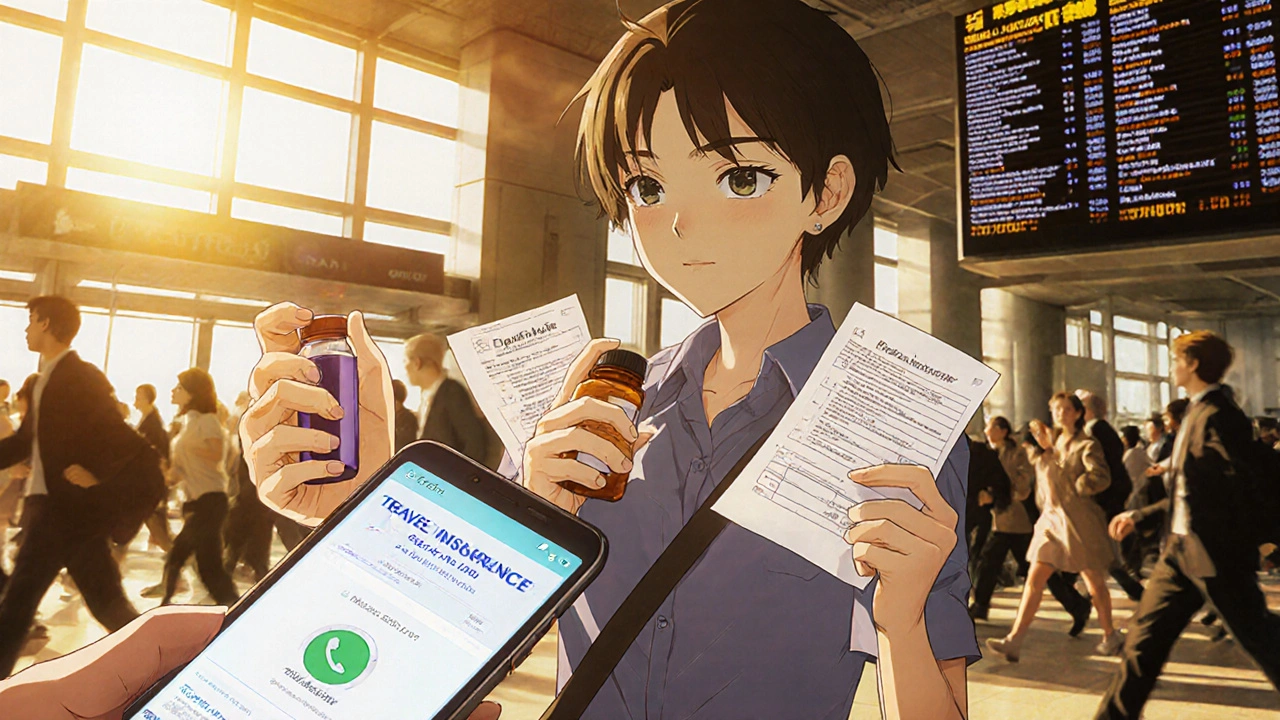
How to Replace Lost or Stolen Medications While Traveling Abroad
Losing your meds while traveling abroad doesn’t have to be a crisis. Learn how to replace them safely, what documents to carry, which countries make it easier, and how travel insurance can save you.
Continue Reading
Hearing Aids: Types, Fitting, and Amplification Technology Explained
Explore the latest hearing aid types, fitting processes, and advanced amplification tech-from OTC models to AI-powered prescription devices. Learn what works, what doesn’t, and how to choose the right one for your needs.
Continue Reading
How to Handle Missed Pediatric Medication Doses Safely
Learn how to safely handle missed pediatric medication doses without doubling up. Follow time-based rules, avoid common mistakes, and know when to call for help.
Continue Reading
Corticosteroids for Autoimmune Disease: Benefits and Long-Term Effects
Corticosteroids like prednisone quickly reduce inflammation in autoimmune diseases but carry serious long-term risks including bone loss, cataracts, and adrenal suppression. Learn how they work, when they help, and how to use them safely.
Continue Reading
How Healthcare Providers Respond to Insurer Requirements for Generic Drug Substitution
Insurers push generic drug substitution to cut costs, but providers face mounting administrative burdens and clinical risks. Learn how doctors are adapting-and fighting back-against rigid insurance rules.
Continue Reading
Quality Assurance Units: Why Independent Oversight Is Non-Negotiable in Manufacturing
Quality Assurance Units must operate independently from production to ensure product safety and regulatory compliance. Learn why separation isn't optional, how it works in practice, and what happens when it fails.
Continue Reading
Import Alerts: How the FDA Blocks Drugs from Non-Compliant Manufacturers
The FDA uses Import Alerts to block drugs from non-compliant manufacturers, especially targeting unsafe GLP-1 APIs. Learn how the Green/Yellow/Red system works, who's affected, and what it means for global drug supply chains.
Continue Reading
Medication Errors vs Drug Side Effects: How to Tell Them Apart and Why It Matters
Learn how to tell the difference between medication errors and drug side effects-why confusing them can be dangerous, how to identify each, and what you can do to stay safe.
Continue Reading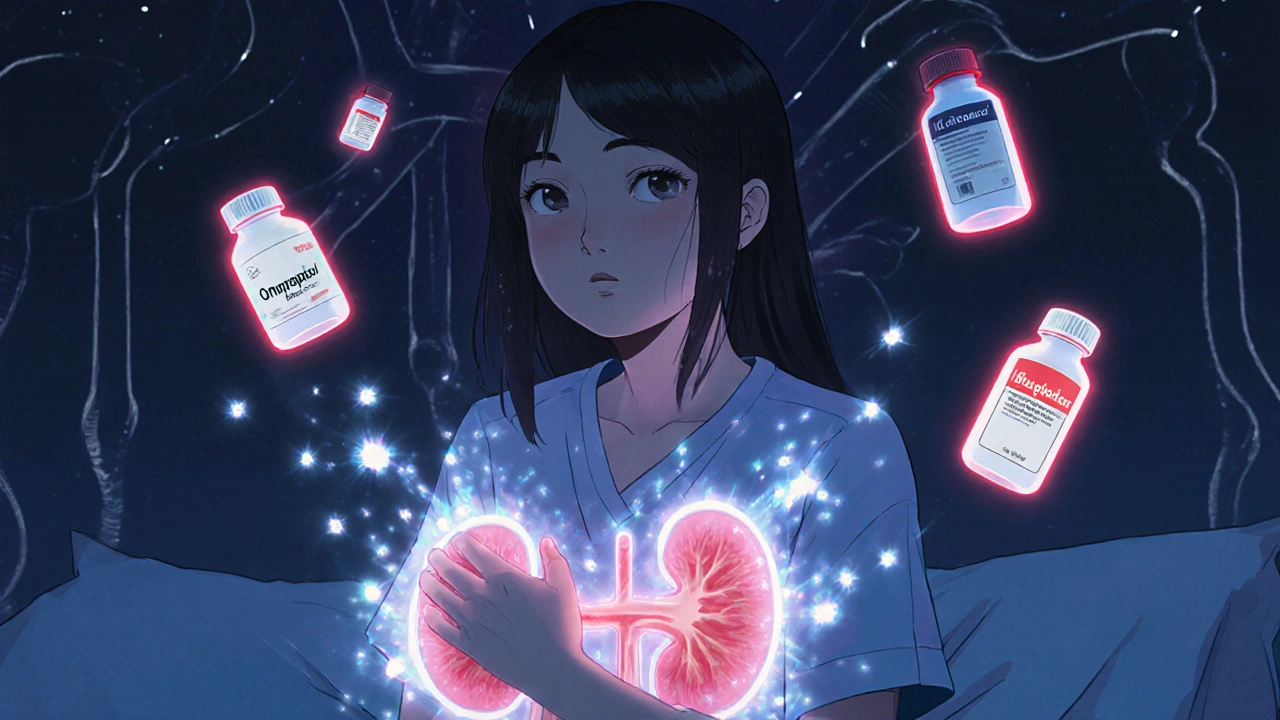
Acute Interstitial Nephritis from Medications: Signs, Causes, and What to Do
Drug-induced acute interstitial nephritis is a serious but often missed cause of kidney damage. Learn the signs, common culprits like PPIs and antibiotics, and what to do before permanent injury occurs.
Continue Reading
Medication Safety at Night: How to Avoid Mistakes When You're Tired
Nighttime medication errors are far more common than most realize. Learn how fatigue, sleep deprivation, and certain medications increase risks-and what you can do right now to stay safe.
Continue Reading