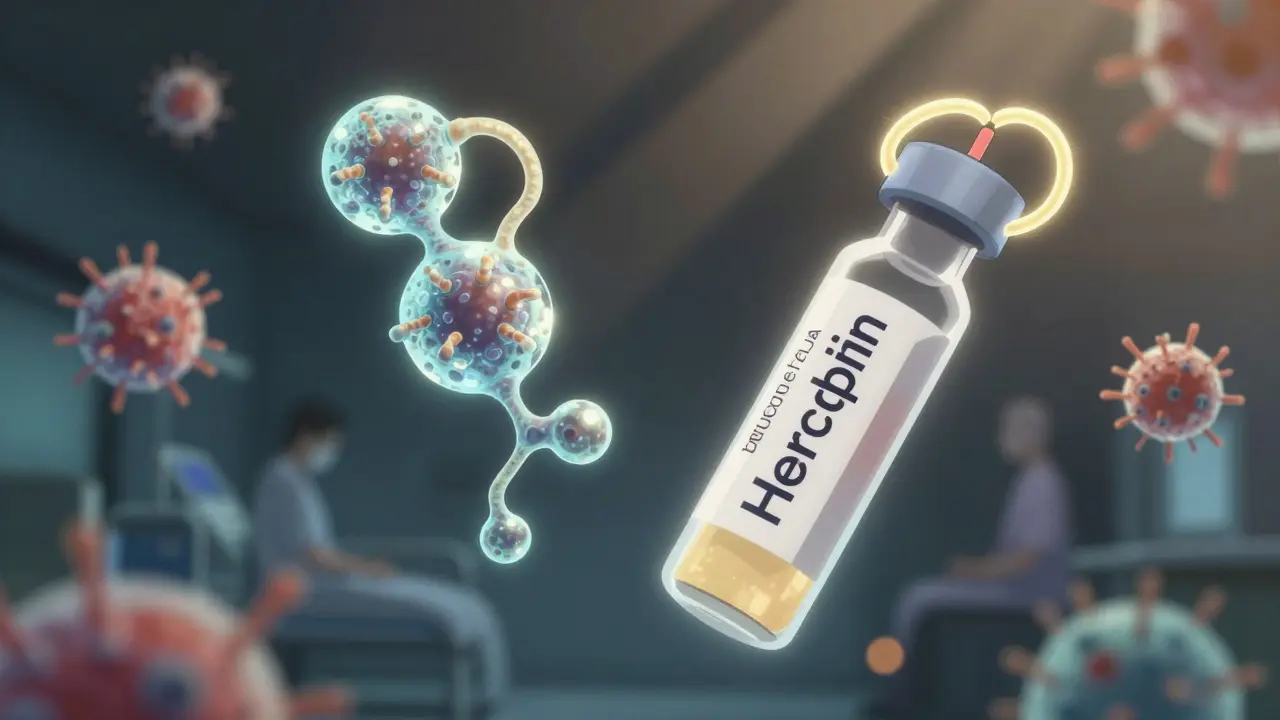
When you hear the word biosimilar, you might think it’s just another name for a generic drug. But that’s not right. Biosimilars aren’t copies in the way aspirin or ibuprofen is copied. They’re complex biological medicines made from living cells-like monoclonal antibodies-that target specific diseases with incredible precision. And when they’re approved, they’re not just "close enough." They’re proven to be as safe and effective as the original drug, with no clinically meaningful differences.
Monoclonal antibody biosimilars are designed to mimic reference products like Avastin, Herceptin, and Rituxan. These drugs treat cancer, autoimmune diseases, and other serious conditions. But they’re expensive. A single course of treatment can cost over $10,000. Biosimilars bring down those prices without sacrificing quality. In fact, studies show switching to a biosimilar can cut costs by 25% to 30% per dose. That’s huge for patients, hospitals, and health systems.
How Are Biosimilars Different From Generics?
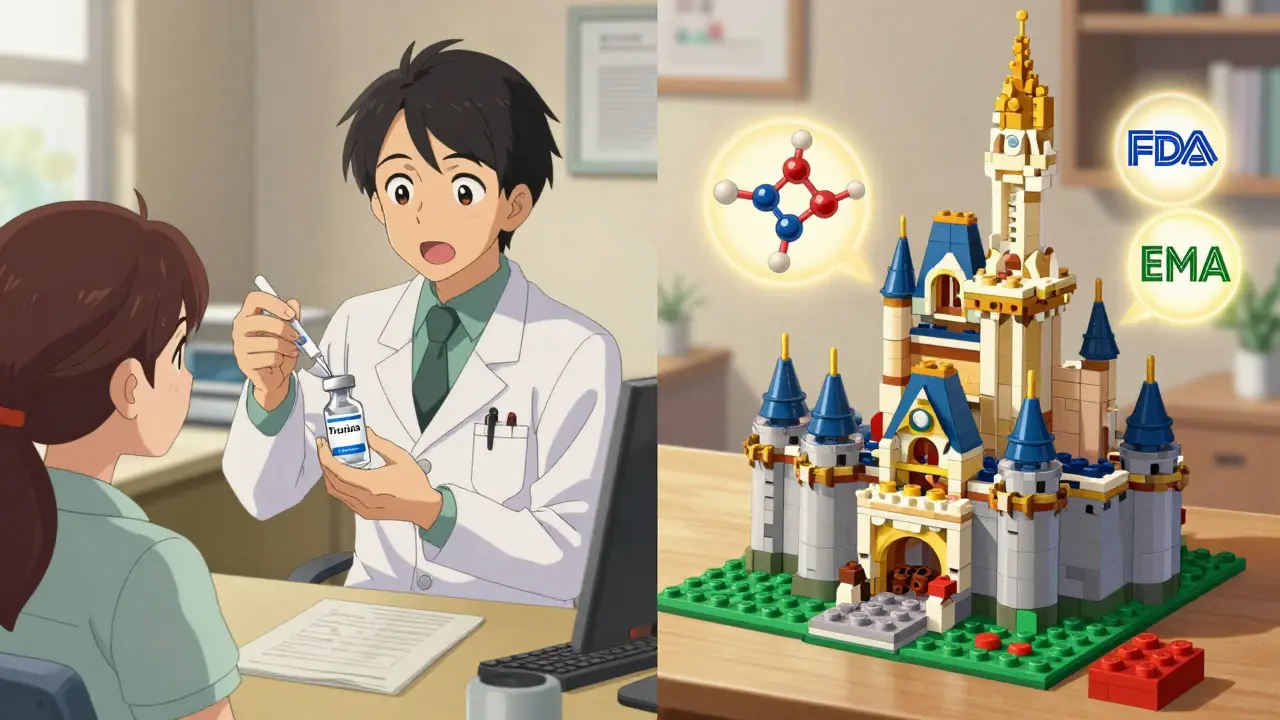
Think of generics as exact chemical duplicates. If the original drug is a Lego brick, a generic is another Lego brick made from the same plastic mold. Simple. Identical. Predictable.
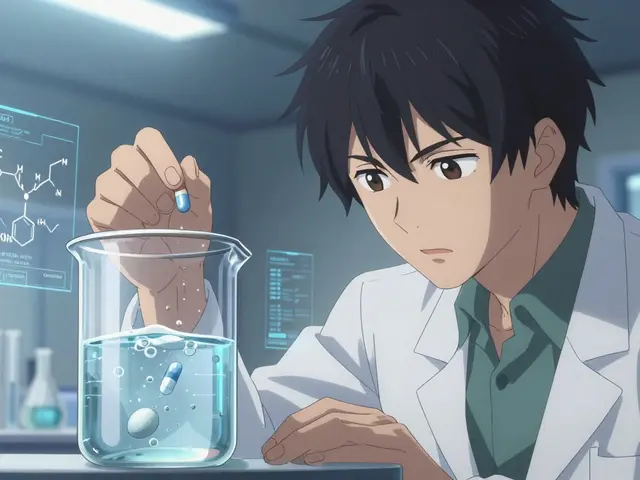
Biosimilars? They’re more like handmade replicas of a Lego castle. The overall shape, function, and color match-but tiny details vary because they’re made from living cells, not chemicals. These differences are microscopic, often at the level of sugar chains attached to the protein (called glycosylation). But because biological molecules are so large-around 150,000 daltons-these tiny changes can affect how the body reacts.
The FDA and EMA both require biosimilar makers to prove similarity through hundreds of tests: structural analysis, lab studies, animal trials, and clinical trials in patients. They don’t just compare one batch. They compare multiple batches over time. And they look at how the drug behaves in the body-its safety, how well it works, and whether it causes unexpected immune reactions.
That’s why a biosimilar isn’t just a copy. It’s a scientifically validated alternative.
Approved Monoclonal Antibody Biosimilars and What They Treat
As of 2023, the FDA has approved over 20 monoclonal antibody biosimilars. Here are the most commonly used ones and the conditions they treat:
- Bevacizumab biosimilars (Avastin): Used for colorectal cancer, lung cancer, ovarian cancer, and glioblastoma. Six biosimilars are approved in the U.S., including Mvasi, Zirabev, and Vegzelma.
- Rituximab biosimilars (Rituxan): Used for non-Hodgkin’s lymphoma, chronic lymphocytic leukemia, and rheumatoid arthritis. Approved biosimilars include Truxima, Ruxience, and Riabni.
- Trastuzumab biosimilars (Herceptin): Used for HER2-positive breast cancer and stomach cancer. Six biosimilars are approved, including Ogivri, Herzuma, and Kanjinti.
- Infliximab biosimilars (Remicade): Used for Crohn’s disease, ulcerative colitis, and rheumatoid arthritis. Remsima became the first interchangeable monoclonal antibody biosimilar in the U.S. in July 2023.
- Adalimumab biosimilars (Humira): Used for psoriasis, arthritis, and inflammatory bowel disease. Over a dozen biosimilars are now approved, with Hyrimoz approved in late 2023.
These aren’t just theoretical options. Hospitals and clinics are using them daily. A 2022 study in JAMA Oncology tracked 1,247 patients who switched from Rituxan to Truxima. No increase in side effects. No drop in effectiveness. And costs dropped by 28% per cycle.
Why Are These Biosimilars So Important?
Monoclonal antibodies are some of the most expensive drugs on the market. Herceptin, for example, cost over $70,000 per year before biosimilars arrived. Now, biosimilars are priced 15% to 40% lower. That doesn’t just help patients pay less out of pocket. It also means insurance companies can cover more people. Hospitals can treat more patients without hitting budget limits.
By 2028, analysts predict biosimilar monoclonal antibodies will save the U.S. healthcare system more than $250 billion. Bevacizumab, trastuzumab, and rituximab biosimilars alone will account for 78% of those savings.
And it’s not just about money. It’s about access. In many countries, patients couldn’t get these life-saving drugs at all because of cost. Biosimilars are changing that.
What About Safety? Are They Really the Same?
One of the biggest concerns is immune reactions. Since biosimilars are made from living cells, there’s always a small risk of triggering an unexpected immune response.
The EMA reviewed over 1.2 million patient-years of exposure to monoclonal antibody biosimilars and found only 12 cases of unusual immune reactions. That’s a rate of 0.001%-statistically the same as the original drugs. The FDA also requires post-market monitoring. If a biosimilar causes more allergic reactions or antibody development than the reference product, it gets pulled.
There was one case that made headlines: some patients had severe allergic reactions to cetuximab because of a sugar molecule called alpha-1,3-galactose. That molecule wasn’t in the original drug’s manufacturing process, but showed up in a biosimilar. It was caught early. The manufacturer adjusted the process. The drug stayed on the market.
That’s how the system works: high standards, constant monitoring, and rapid response.
What’s Coming Next?
The pipeline is full. As of late 2023, 37 monoclonal antibody biosimilars are under FDA review. The biggest focus is on newer drugs:
- Pembrolizumab (Keytruda) biosimilars: Six candidates in late-stage trials. Keytruda is a checkpoint inhibitor used for melanoma, lung cancer, and more. Its biosimilars could be approved by 2026.
- Bispecific antibodies and antibody-drug conjugates: These are next-generation drugs that attack cancer in two ways at once. The EMA plans to release new guidelines for these complex products in mid-2024.
Market projections show monoclonal antibody biosimilars will make up 35% of all biologic prescriptions in the U.S. by 2027-up from 18% in 2022. Cancer treatments will account for 62% of that volume.
Barriers Still Exist
Even with all this progress, adoption isn’t automatic.
Some doctors still hesitate. A 2022 survey by the American Society of Clinical Oncology found only 58% of oncologists felt "very confident" prescribing biosimilars. Many worry about switching patients mid-treatment. But real-world data is starting to change minds.
Pharmacy benefit managers sometimes restrict access. In 32% of cases, biosimilars aren’t placed on preferred formularies. Insurance plans may still push the original drug-even if it costs more.
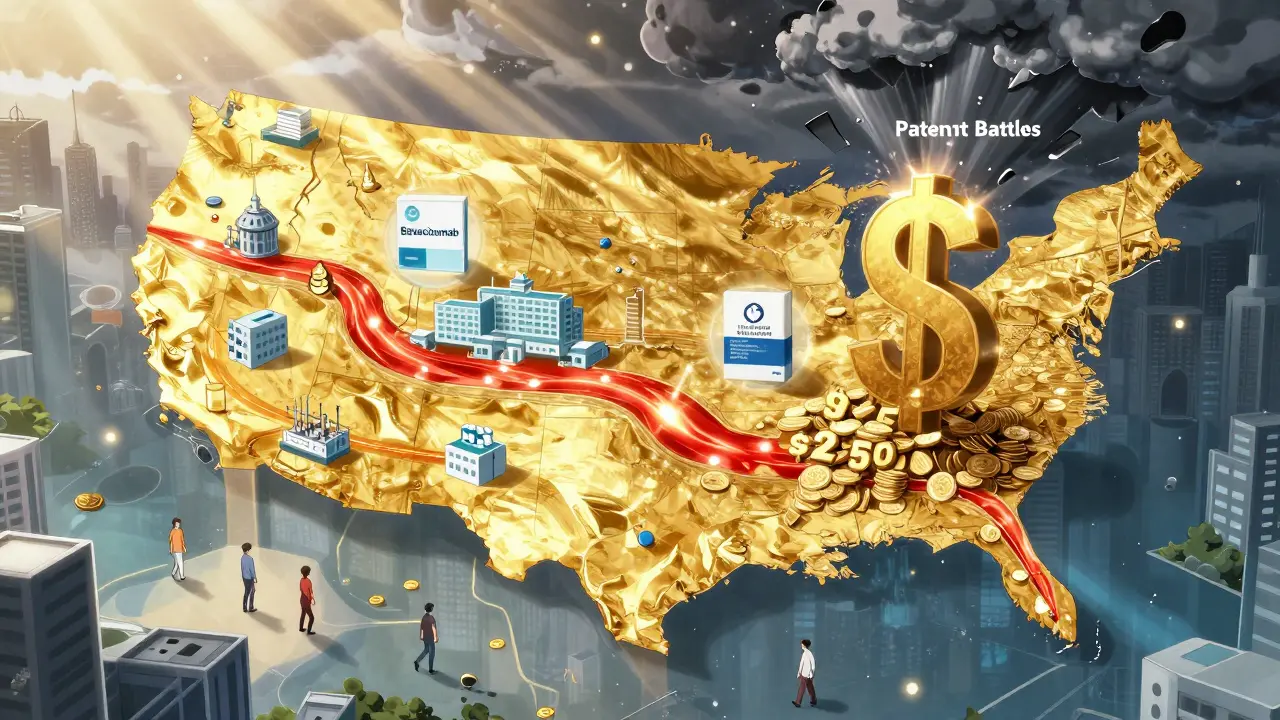
And patents. Companies spend millions fighting legal battles. On average, each monoclonal antibody biosimilar faces 14.7 patent challenges before it can launch. That delays availability and keeps prices high longer than they should be.
But change is happening. More patients are asking for biosimilars. More providers are learning how to use them. And regulators are making the approval process faster and smarter.
What This Means for Patients
If you’re on a monoclonal antibody treatment-whether it’s for cancer, rheumatoid arthritis, or Crohn’s disease-ask your doctor: "Is there a biosimilar option?"
You might not even notice the switch. The injection, the schedule, the side effects-they’re all the same. But your out-of-pocket cost could drop by hundreds or even thousands of dollars per year.
Biosimilars aren’t a compromise. They’re a smarter way to deliver life-saving medicine. They’re backed by science, tested in real patients, and proven to work. And they’re here to stay.
Are monoclonal antibody biosimilars as safe as the original drugs?
Yes. Regulatory agencies like the FDA and EMA require biosimilars to undergo extensive testing to prove they are as safe and effective as the original. Clinical trials involve thousands of patients, and post-market surveillance tracks side effects in real-world use. Studies show no significant difference in safety profiles between biosimilars and their reference products.
Can I switch from the original drug to a biosimilar?
Many patients switch successfully. For some biosimilars, like Remsima (infliximab), the FDA has granted "interchangeable" status, meaning pharmacists can substitute them without a doctor’s approval. For others, your doctor must prescribe the biosimilar directly. Switching is common in cancer centers and rheumatology clinics, with no loss of effectiveness or increase in side effects.
Why are biosimilars cheaper than the original biologics?
Biosimilars don’t require repeating expensive clinical trials because they’re proven to be similar to an already approved drug. Manufacturers still invest heavily in research and manufacturing, but they avoid the full cost of developing a new biologic from scratch. This allows them to offer lower prices while maintaining quality.
Do biosimilars work for all conditions the original drug treats?
Biosimilars are approved for the same uses as the reference product, but sometimes only for certain conditions. For example, a biosimilar might be approved for rheumatoid arthritis but not for psoriasis if the original drug’s data for psoriasis was limited. Always check the approved labeling. In most cases, though, the full range of uses is covered.
How long do biosimilars take to get approved?
The approval process takes 3 to 5 years on average, depending on complexity. Monoclonal antibody biosimilars require more testing than small-molecule generics because of their size and structure. The FDA reviews analytical data, animal studies, and clinical trials before approval. Once approved, they can be available within months.


10 Comments
Andrew Muchmore
March 18, 2026Biosimilars aren't just cheaper they're just as good. The data is solid. No clinically meaningful differences. End of story.
Doctors who hesitate are clinging to brand names not science.
Paul Ratliff
March 19, 2026lol i thought biosimilars were like knockoff sneakers but turns out theyre more like a custom rebuilt honda engine that runs better than the original. wild.
SNEHA GUPTA
March 20, 2026The science behind biosimilars is deeply impressive. Living cells producing proteins with near-identical function yet subtle variations that reflect biological complexity. It's not copying-it's re-creating life at a molecular level. This isn't just cost-saving. It's a triumph of precision medicine.
Gaurav Kumar
March 20, 2026USA is still behind. India and China have been making quality biosimilars for years. Why are we only now catching up? Because of patent trolls and pharma greed. We need to stop letting American companies hold the world hostage with monopolies. 🇮🇳💪
David Robinson
March 20, 2026I read the whole thing and honestly? I'm still skeptical. They say 'no clinically meaningful differences' but what does that even mean? Is that just regulatory jargon? I've seen too many drugs get approved and then later cause massive problems. This feels like a gamble with people's lives. And don't get me started on how insurance companies will push these because they're cheaper. That's not healthcare. That's cost-cutting dressed up as progress.
Jeremy Van Veelen
March 22, 2026This isn't medicine. This is corporate theater. They took a masterpiece-Herceptin, a miracle in a vial-and turned it into a cheap replica. The molecular dance of glycosylation? It's not a minor detail. It's the soul of the drug. And now we're told to trust a machine-made version of a living process? I'm not just concerned. I'm devastated.
Laura Gabel
March 22, 2026Biosimilars are fine I guess but why are we even talking about this like its new? We've had generics for decades. This is just pharma trying to spin the same old scam with fancy words.
jerome Reverdy
March 23, 2026I've worked in oncology for 15 years. We switched 80% of our patients to biosimilars 3 years ago. No increase in adverse events. No drop in response rates. The only thing that changed? Patients stopped worrying about how they'd pay for their next infusion.
These aren't compromises. They're equity. And the data? It's overwhelming. Stop treating this like a debate. It's a public health win.
Andrew Mamone
March 24, 2026The science here is solid. 🧬✅
Complex biologics > small molecules.
Biosimilars = FDA/EMA validated.
Cost savings = real.
Access = expanded.
Trust the data, not the fear.
MALYN RICABLANCA
March 25, 2026I'm not saying biosimilars are dangerous-but let’s be REAL for a second. We're talking about a drug that's made from LIVING CELLS. Not a pill. Not a chemical. A protein that's been nurtured, folded, glycosylated, and purified by biological machinery that even scientists don't fully understand. And now we're just... swapping them out like it's a coffee machine? What if the immune system reacts to a single sugar molecule that's 0.0001% different? What if it triggers a cascade? What if someone dies? Who takes responsibility? The FDA? The hospital? The pharmacist? This isn't innovation. It's a ticking time bomb wrapped in a PowerPoint presentation.