Why Your Doctor Needs to See the Actual Bottles
You might think remembering your meds is simple enough, especially if you've been taking them for years. But here is the hard truth: patients forget nearly half their medications when asked to list them from memory. A 2024 study found that relying on recall alone misses critical details. That gap creates dangerous holes in your health records.
When you walk into a clinic, your doctor needs to perform Medication Reconciliation, whichis the formal process of creating the most accurate list of every medicine you take by comparing records with what you have at home. Without seeing the bottles, this process relies on faulty memory. With the bottles in hand, accuracy jumps significantly. Recent data shows bringing physical containers reduces discrepancies by 67% compared to verbal lists.
This isn't just about checking boxes. We are talking about preventing adverse events. About 5% of hospital admissions are caused by bad interactions between drugs. When you bring your pills, you help stop those interactions before they happen. It turns a routine checkup into a safety net.
The "Brown Bag" Method Explained
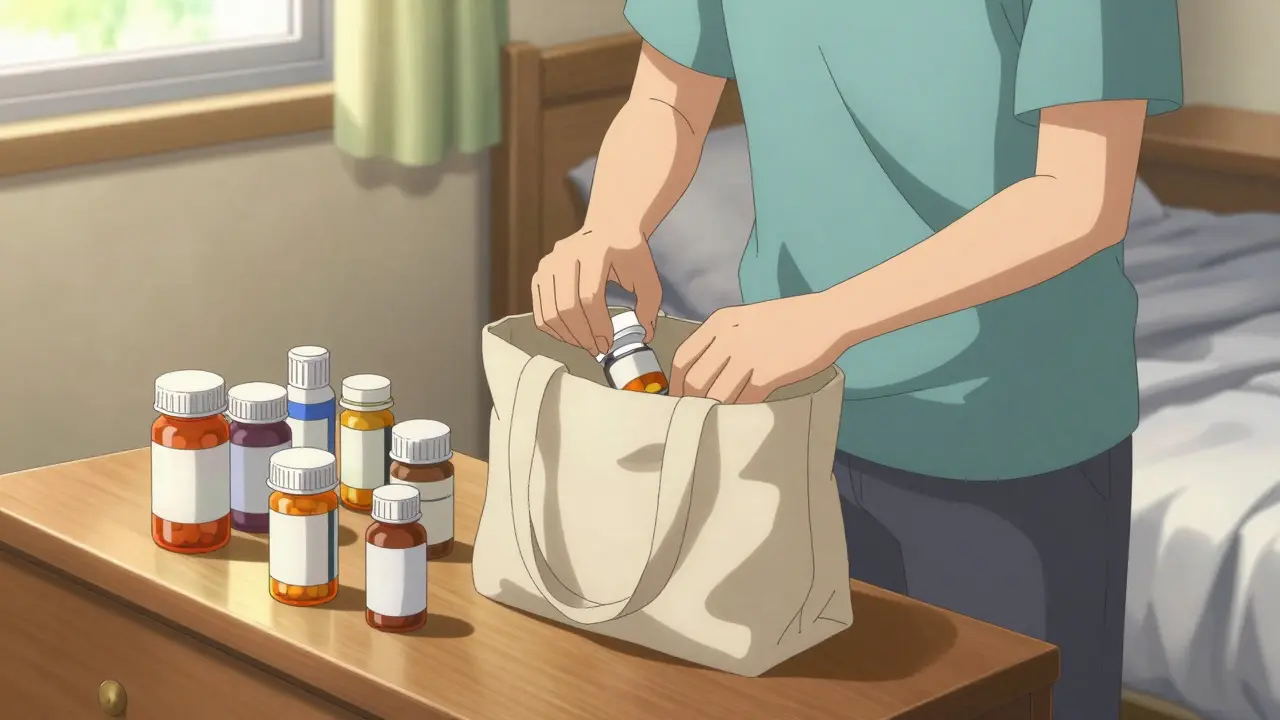
The most effective way to do this is something experts call the Brown Bag Review. The idea is simple: pack all your medicines into a single bag the night before your appointment. This creates a visual inventory that doctors can scan quickly.
Why does the bag work? Because it removes mental load. You don't have to remember names or dosages; you just dump the contents onto the desk. It changes the dynamic of the conversation from guessing to verifying. Clinics that use this standardized protocol report spending less time digging for history and more time focusing on your actual symptoms. It's efficient for both of you.
To make this work, follow these specific steps:
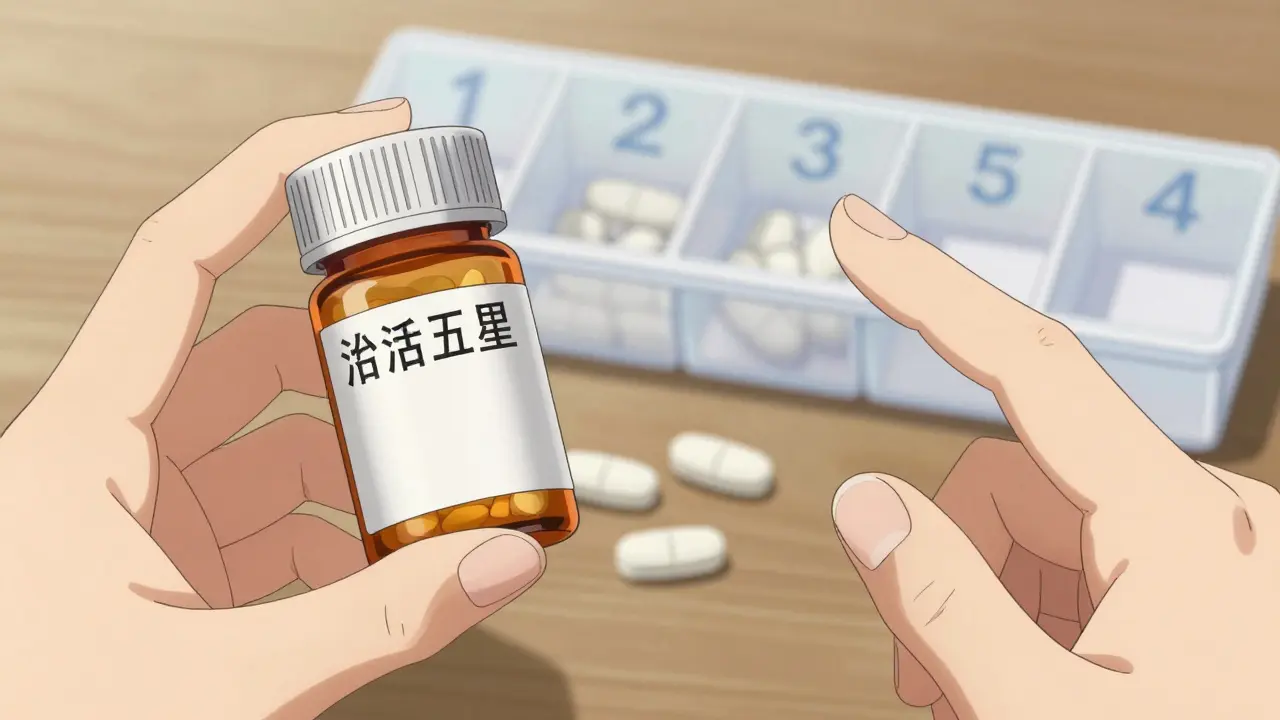
- Gather everything in original packaging. Do not consolidate pills into weekly pill boxes. While pill organizers are great for daily use, they lack labels with dosage, batch numbers, and prescriber names. These details are vital for safety checks.
- Include the old stuff. If you have expired meds, discontinued prescriptions, or leftover antibiotics, put them in the bag. They reveal what you stopped taking and why, which is crucial context for new treatments.
- Don't forget the "extras". Multivitamins, herbal supplements, painkillers from the supermarket, and even topical creams count as medications. A huge number of interactions happen between prescription drugs and over-the-counter supplements.
- Keep empty bottles. For drugs you've finished but aren't currently taking, photograph the label before throwing them away so you have a record of past treatment.

What Happens If You Only Have Pills in a Box?
We know life gets messy. Many people prefer the convenience of a weekly organizer with compartments for morning and evening doses. Unfortunately, research shows that 41% of older adults rely solely on these cases. When doctors see unlabelled pills in a plastic box, they cannot identify the strength or verify the expiry date accurately.
If you must use a pill box, you need a workaround. Take photos of your original prescription bottles before transferring pills into the organizer. Keep these images on your phone ready to show the nurse. Alternatively, keep one full, untouched bottle of each medication somewhere safe-perhaps in a drawer labeled "Backup." This way, you have the master copy available for the appointment even if your daily supply is mixed together.
The goal is to bridge the gap between what you have at home and what is on the computer screen. A 2023 study highlighted that consolidating meds causes reconciliation challenges because 38% of patients lose track of dosages once they leave the original packaging. Keeping one original container preserves that link.
| Method | Accuracy Rate | Risk Level |
|---|---|---|
| Patient Self-Report | Low (Misses ~50%) | High Risk |
| Pill Organizer Only | Medium | Moderate Risk |
| Original Bottles (Gold Standard) | High (95%+ verified) | Low Risk |
| Bottles + Pharmacy Records | Very High (97%+) | Minimal Risk |
Navigating Virtual Visits and Digital Tools
Tech is moving fast. You might wonder if you can skip the drive to the pharmacy or the clinic entirely. Telehealth has become common, with adoption rising sharply. Some platforms let you upload photos of your bottles. However, virtual reviews miss about 22% of issues that catch-in-person verification finds.
Why? Because a photo doesn't show quantity left. Is that bottle almost empty, meaning you missed refills? Does the liquid level look low? Physical presence allows staff to spot signs of non-adherence or stockpiling that a JPEG hides. Still, digital tools help. Apps like Medisafe or others generate synced lists. These are great backups, but never replacements for the physical object.
Smart pill bottles with tracking capabilities are emerging, costing around $80 for premium models. While cool, they often lack the standard legal labeling required by agencies like the FDA or TGA. Stick to the traditional bottle for official reviews until technology catches up with regulatory standards.
The Emotional Side of Sharing Your Meds
Some people feel embarrassed showing empty bottles or unused scripts. It feels like admitting failure. You worry the doctor thinks you aren't taking your meds right. It is important to reframe this mindset. Showing unused meds isn't confession; it is data.
In fact, 28% of patients hide medications they aren't taking because of shame. This backfires. When you bring the unused bottle, it gives the doctor permission to stop a med that isn't working or switch to a cheaper alternative. It empowers you to get better care rather than hiding problems.
Another hurdle is complexity. If you have a large bag of meds, some clinics might feel overwhelmed. To prevent this, organize them by type or simply sort them into three piles: Prescriptions, Over-the-counter, and Expired. A quick sort takes 2 minutes but speeds up the professional's job drastically.
How Preparation Improves Appointment Flow
When you arrive prepared, the whole interaction shifts. Staff spend less time hunting for answers. Instead of asking, "Do you take blood pressure meds?", they see the bottle immediately. This clarity helps manage polypharmacy-the complex issue of taking many medications at once, which affects over 47% of older adults.
For those managing high-risk conditions, precision is survival. Agencies like The Joint Commission define reconciliation goals specifically to catch mismatches at transition points. By participating actively, you align yourself with safety standards that reduce hospital admission risks associated with drug errors.
If you have a chronic condition, ask your practice to dedicate one annual visit specifically for this deep-dive reconciliation. It ensures your master list is current for future emergencies where your voice isn't an option.
Can I bring loose pills if I lost the bottles?
Ideally, no. Loose pills make identification impossible and are unsafe to ingest by staff. If you have no bottles, take clear photos of them before you took them out of the container, or bring a printed pharmacy receipt listing the exact drug, strength, and date dispensed.
Do I need to bring vitamins and supplements?
Yes. Even though they are natural, supplements interact with prescriptions. Always bring vitamins, herbs, and OTC pain relievers to ensure a complete picture of your intake.
Is there an app that replaces the bottles?
Not completely. Apps are excellent backups, but studies show digital lists alone miss 63% of discrepancies compared to combined physical and record reviews. Use apps to help, but bring the bottles to verify.
What if I have too many bottles to carry?
Prioritize active medications. For discontinued ones, just bring the label photo. If you have a massive bag, organize by frequency of use to help the clinician prioritize the daily meds first.
Why do doctors need the expiration dates?
Expired meds can be ineffective or harmful. Knowing if a bottle is near its date helps them plan refill cycles correctly and ensures you aren't holding onto stale inventory that could accidentally be used later.




12 Comments
Jordan Marx
March 28, 2026The pharmacokinetic implications of polypharmacy management require rigorous adherence to original labeling protocols. When we consider the therapeutic index of concomitant medications, the risk of adverse drug reactions skyrockets without visual verification of dosage forms. Clinical guidelines suggest that bioavailability assessment relies heavily on batch numbers found on the primary container. Ignoring these variables creates systemic gaps in patient safety metrics. We must integrate physical inventory checks into standard care pathways. This approach mitigates potential pharmacodynamic interactions effectively.
Sabrina Herciu
March 28, 2026I completely agree with the clinical focus.!!! You cannot stress the importance of accuracy too much!!! Every milligram counts!! And doctors really do need to see the labels!! It prevents catastrophic mistakes!!! Don't just guess with your health!! Safety first always!!!
Eva Maes
March 29, 2026People acting like they know what they are doing are absolutely delusional. The idea that memory serves well is pure idiocy disguised as self-care. Real patients understand that cognitive decline makes recall impossible. This process is actually simple yet most fail spectacularly. Stop relying on faulty human brains and follow the science. Your incompetence puts lives at risk daily. It is pathetic how many ignore the basic protocol for safety.
Poppy Jackson
March 29, 2026i really hope you bring your meds next time. it could save a life honestly. scary thought otherwise.
Aaron Olney
March 30, 2026why wud you hide your prescibers info anyway?? seems sus to me tbh. i mean u should shre everything with teh doc right? its kinda weird if u dont show thier records. maybe ur hiding somethin else going on.
Paul Vanderheiden
March 30, 2026Hey there great tip for the clinic visits. Hope everyone stays safe and organized with their med bags. You got this for sure. Bringing the bottles is a win win situation. Keep up the good work on tracking health.
kendra 0712
April 1, 2026This is such an amazing insight for healthcare safety!!! 🌟 I totally agree with the brown bag method because it works so well in practice!! 📦 Everyone should try this next visit!! 🏥 Doctors appreciate the effort you put into preparation!! 🙌 It shows you take your health seriously!! 💪 Plus it avoids all those confusing mix ups!! 😱 The peace of mind is worth the packing!! ✨ Please share this with your family members!! 🗣️ Let us all stay safe together!! ❤️ Thanks for posting this valuable info!! 🙏
Sophie Hallam
April 1, 2026Using the brown bag review method is the smart choice for accurate records.
Rohan Kumar
April 2, 2026Yeah right like they tell the whole truth 🤥 Big Pharma wants your data in the system. They collect everything about your intake. It is all about control and tracking habits. 🧠💊 Don't fall for the compliance trap 🚫. Just keep the bottles if you want to be monitored better.
Philip Wynkoop
April 4, 2026Simple advice that works. :) Bring them along.
Monique Ball
April 5, 2026You need to gather all your prescriptions before leaving home. It takes some time to find old boxes. Put them in a sturdy bag so they do not spill. Include vitamins and herbal supplements too. Even expired bottles give great historical context. Write down when you started each dose. Keep pharmacy receipts in case labels fall off. Organize them by category for faster processing. This helps the nurse verify information quickly. It reduces appointment time significantly. Staff can focus on actual symptoms instead. Digital backups are nice but physical is best. Photographs of empty bottles work as proof. Always inform the doctor about discontinued drugs. Safety depends on complete disclosure every single time. You deserve accurate care during every hospital visit. Good luck with your next appointment!
Kameron Hacker
April 6, 2026The ethical obligation lies with the provider to maintain precision. However, the patient must actively participate in the documentation phase. Failure to disclose medication history compromises the entire diagnostic framework. This negligence endangers the integrity of clinical judgment. We demand strict adherence to these protocols. Patient autonomy does not excuse lack of preparation. The consequences of error are severe and irreversible. Full compliance is mandatory for optimal outcomes.