DPP-4 Inhibitor Risk & Symptom Checker
Part 1: Your Risk Profile
Check any factors that apply to you to see how they influence your risk level.
Part 2: Symptom Awareness
Which of these symptoms are you experiencing? (Select all that apply)
The Real Risk: How Likely is Pancreatitis?
When we talk about "risk," numbers can be confusing. If you look at the data, the risk of acute pancreatitis with gliptins is objectively low, but it is statistically higher than if you weren't taking them. A detailed analysis in Diabetes Care found that the absolute increased risk is about 0.13%. In plain English? That means for every 1,000 people treated for two years, maybe one or two additional cases of pancreatitis occur. However, other studies paint a slightly more urgent picture. A 2019 meta-analysis involving nearly 48,000 patients showed a 75% increase in the risk of acute pancreatitis compared to a placebo. More recently, a 2024 study in Frontiers in Pharmacology used a reporting odds ratio (ROR) of 13.2, which is a strong statistical signal that these drugs are linked to pancreatic inflammation.| Drug Class | Pancreatitis Risk Level | Key Advantage | Main Trade-off |
|---|---|---|---|
| DPP-4 Inhibitors | Moderate/Low (Increased Risk) | Weight Neutral | Potential Pancreatic Inflammation |
| SGLT2 Inhibitors | Low | Heart/Kidney Protection | Risk of UTIs/Ketoacidosis |
| GLP-1 Receptor Agonists | Low to Moderate | Significant Weight Loss | Gastrointestinal Distress |
Which Gliptins Are Involved?
It isn't just one specific brand causing the worry. Regulatory bodies like the FDA and the European Medicines Agency have flagged the entire class. The most common culprits include:- Sitagliptin (Januvia): Often the most prescribed in this class.
- Saxagliptin (Onglyza).
- Linagliptin (Tradjenta): Cases of induced pancreatitis have been documented specifically with this agent.
- Alogliptin (Nesina, Vipidia).
Warning Signs: When to Call Your Doctor
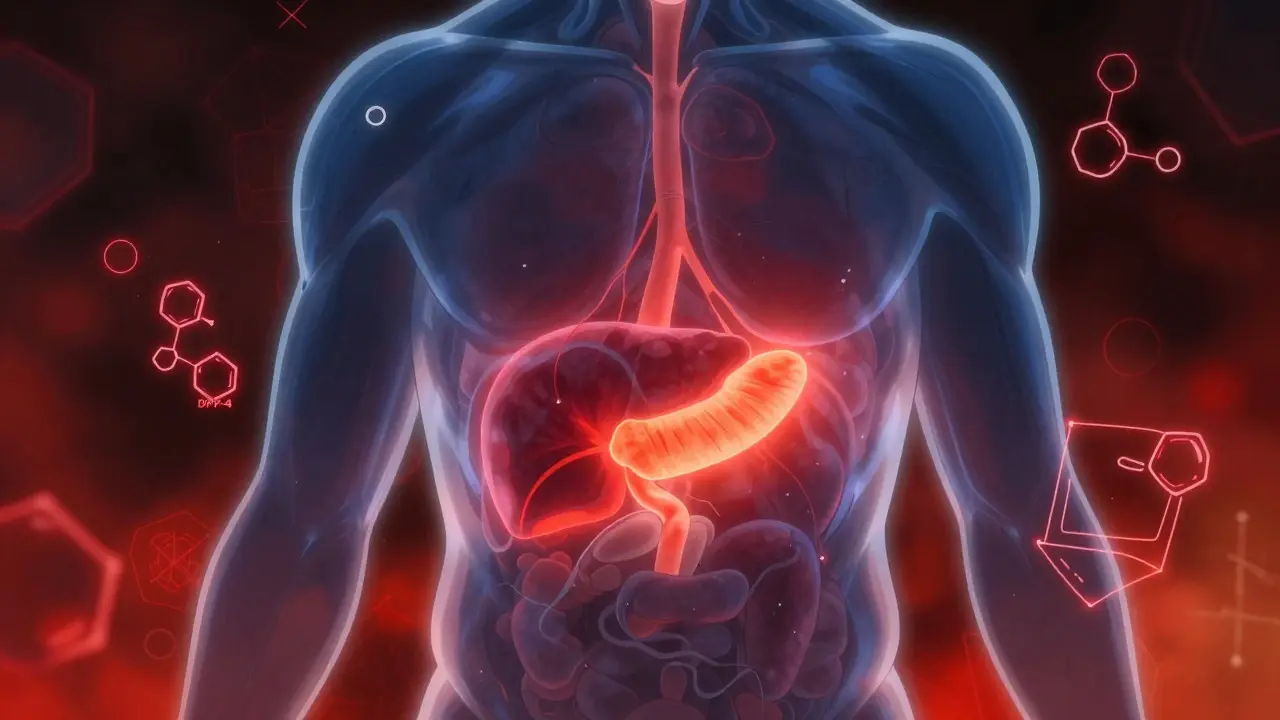
Since the absolute risk is small, you shouldn't panic. However, you should be hyper-aware of your body. Pancreatitis doesn't start with a subtle itch; it usually presents as a crisis. The hallmark symptom is persistent, severe abdominal pain. This pain typically feels like it's in the upper middle of your stomach and often radiates through to your back. If you feel a "boring" pain that doesn't go away with an antacid or a change in position, it's time to get checked. Other red flags include:- Nausea and vomiting that won't stop.
- A fever accompanying the stomach pain.
- A rapid heartbeat (tachycardia).
- A tender or swollen abdomen.
Who is Most at Risk?
Not everyone who takes a DPP-4 inhibitor is equally vulnerable. Diabetes itself makes you more prone to pancreatitis than someone without the condition. But certain lifestyle factors and medical histories act as "risk multipliers." You should be extra cautious if you have:- A history of gallstones: These can block the pancreatic duct, triggering inflammation.
- High triglycerides: Extremely high blood fats can irritate the pancreas.
- Heavy alcohol use: Alcohol is a primary trigger for pancreatic damage.
- Previous bouts of pancreatitis: If your pancreas has been inflamed before, it is more susceptible to future episodes.
The Bigger Picture: Why Still Use Them?
You might wonder why doctors still prescribe these drugs if there's a risk of organ inflammation. The answer lies in the trade-off. For many patients, the cardiovascular safety profile of gliptins is excellent. Unlike some older diabetes drugs, they don't typically cause weight gain or trigger hypoglycemia (dangerously low blood sugar), which can be life-threatening for elderly patients. In the US, these drugs still make up about 15% of oral diabetes prescriptions. The consensus among experts, including those at the American Diabetes Association, is that for the vast majority of people, the benefits of stable blood sugar outweigh the very small risk of pancreatitis.
What Happens if You Get Pancreatitis?
If a doctor suspects your medication is causing the issue, the first step is immediate discontinuation. The good news is that in most cases, the inflammation resolves once the drug is stopped. However, it's not always a simple fix. About 17.7% of reported pancreatitis cases associated with these drugs were classified as serious events, requiring hospitalization and intensive care. This is why reporting is so important. Whether it's through the FDA's Adverse Event Reporting System or the UK's Yellow Card scheme, these reports help scientists understand exactly which patients are at risk and why.Do DPP-4 inhibitors cause pancreatic cancer?
Current evidence from large meta-analyses involving over 55,000 patients indicates that DPP-4 inhibitors do NOT increase the risk of pancreatic cancer. They are associated with acute pancreatitis (inflammation), which is a different condition.
What is the first thing I should do if I suspect pancreatitis?
Contact your healthcare provider immediately and report any severe abdominal pain that radiates to your back. Do not stop your medication without consulting your doctor first, but be prepared for them to discontinue the drug and order blood tests for pancreatic enzymes.
Are some gliptins safer than others regarding the pancreas?
While the risk is associated with the entire class, different drugs have different reporting rates. However, regulatory agencies like the FDA have required safety labeling updates for all of them because a definitive "safe" version doesn't currently exist within the class.
How does the risk compare to GLP-1 agonists?
Both classes have shown links to pancreatitis. However, some recent data suggests that DPP-4 inhibitors may have a slightly higher reporting odds ratio for this specific side effect compared to certain GLP-1 agonists, though both are considered rare.
Can my doctor test if I have pancreatitis?
Yes. Doctors typically use two main tools: a blood test to check for elevated levels of enzymes like amylase and lipase, and an abdominal ultrasound to look for inflammation or the presence of gallstones.