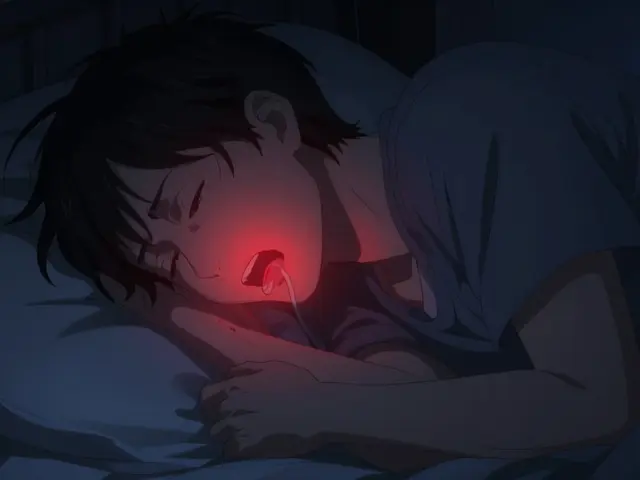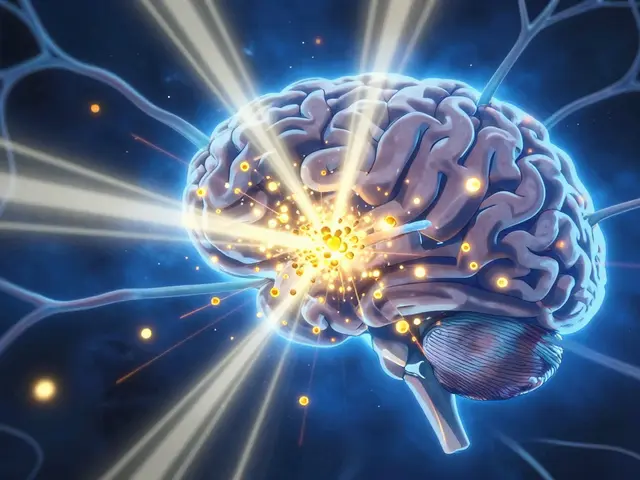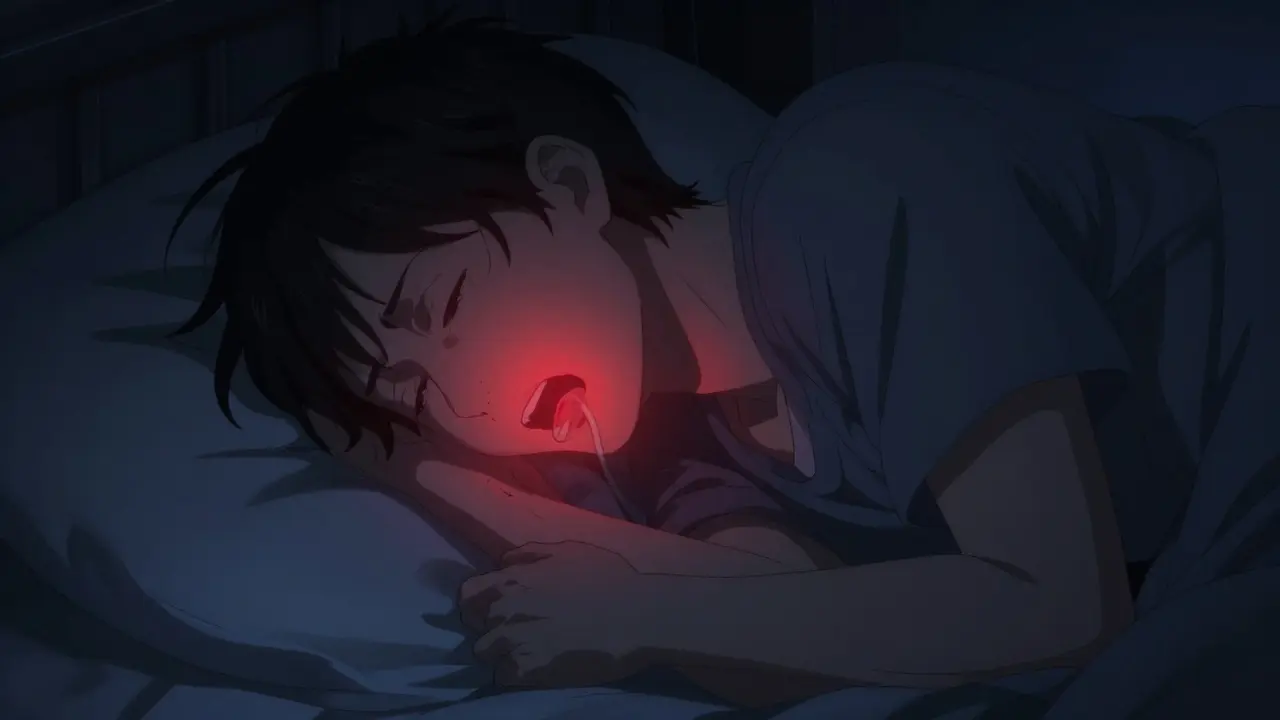
Imagine your body fighting for air while you're fast asleep. For millions of people, this isn't a nightmare-it's what happens every single night. When your airway collapses and breathing stops, your brain sends a panic signal to your heart, causing a sudden spike in blood pressure and a surge of stress hormones. Over time, these nightly "attacks" do more than just make you tired; they can physically reshape your heart and leave you vulnerable to dangerous rhythms.
Many people assume snoring is just a nuisance or a sign of deep sleep. However, Obstructive Sleep Apnea is a sleep disorder where the upper airway repeatedly blocks airflow during sleep, causing oxygen levels to drop and waking the brain up to resume breathing. Commonly abbreviated as OSA, this condition now affects roughly 1 billion adults worldwide. It isn't just about sleep quality; it is a powerful, independent driver of cardiovascular disease.
The Invisible Strain on Your Blood Pressure
When you stop breathing during an apnea event, your blood oxygen levels plummet. This triggers a massive reaction from your sympathetic nervous system-the "fight or flight" mechanism. Research shows that this chemoreflex activation can increase sympathetic tone by 200-300%, causing your blood pressure to jump by 20-40 mmHg in a matter of seconds.
The real danger is that this doesn't just happen at 3 AM and vanish by 7 AM. This nocturnal hypertension often "bleeds" into your waking hours. If you've ever struggled with Hypertension (high blood pressure) that refuses to budge even with three different medications, you might be dealing with resistant hypertension caused by OSA. The constant pressure swings act like a hammer, gradually damaging your arteries and straining the walls of your heart.
Beyond the pressure, the mechanical struggle to breathe creates massive shifts in intrathoracic pressure. As you try to inhale against a closed airway, the pressure inside your chest drops sharply. This creates a vacuum effect that increases the load on your heart's left ventricle, potentially leading to diastolic dysfunction-where the heart cannot relax properly to fill with blood.
Why Sleep Apnea Triggers Heart Arrhythmias
Heart rhythm issues, or arrhythmias, are closely tied to the unstable environment OSA creates. The heart is sensitive to oxygen levels and the balance of the autonomic nervous system. In a healthy person, the heart follows a steady rhythm. In someone with OSA, the heart is subjected to a rollercoaster of oxygen deprivation followed by a sudden rush of air.
This instability is a perfect storm for Atrial Fibrillation, a condition where the upper chambers of the heart beat irregularly. Evidence suggests that OSA patients experience atrial fibrillation 3-5 times more often than those without the disorder. While high blood pressure alone increases the risk of AFib by about 50%, severe OSA (where you have 30 or more events per hour) can increase that risk by a staggering 140%.
The damage isn't just electrical; it's structural. Recent cardiac MRI studies show that people with sleep apnea have significantly more atrial fibrosis-essentially scarring of the heart tissue-which makes it even easier for irregular rhythms to take hold and persist.
| Risk Factor | Impact on Atrial Fibrillation | Impact on Stroke Risk | Primary Mechanism |
|---|---|---|---|
| General Hypertension | ~50% Increase | Moderate | Arterial Wall Tension |
| Severe OSA (AHI 30+) | ~140% Increase | ~60% Increase | Intermittent Hypoxia & Sympathetic Surge |
| Central Sleep Apnea | Lower than OSA | Variable | Neurological Signal Failure |
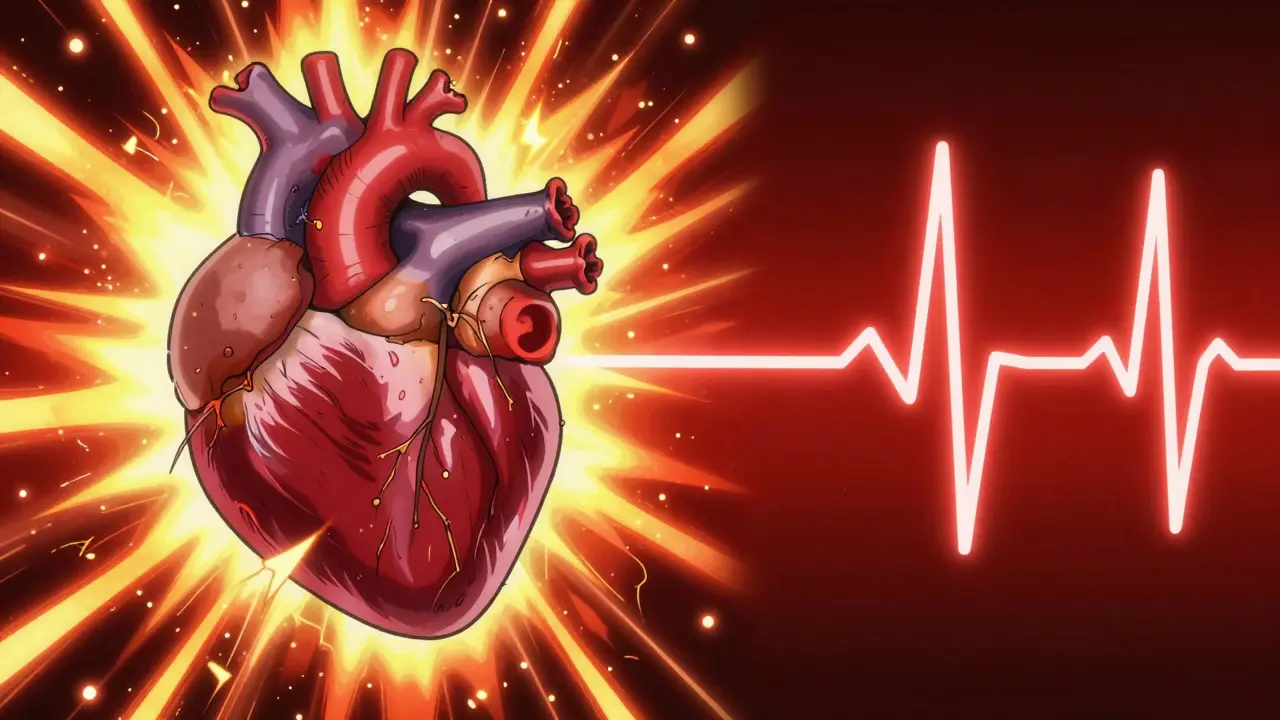
Breaking the Cycle: How Treatment Saves Your Heart
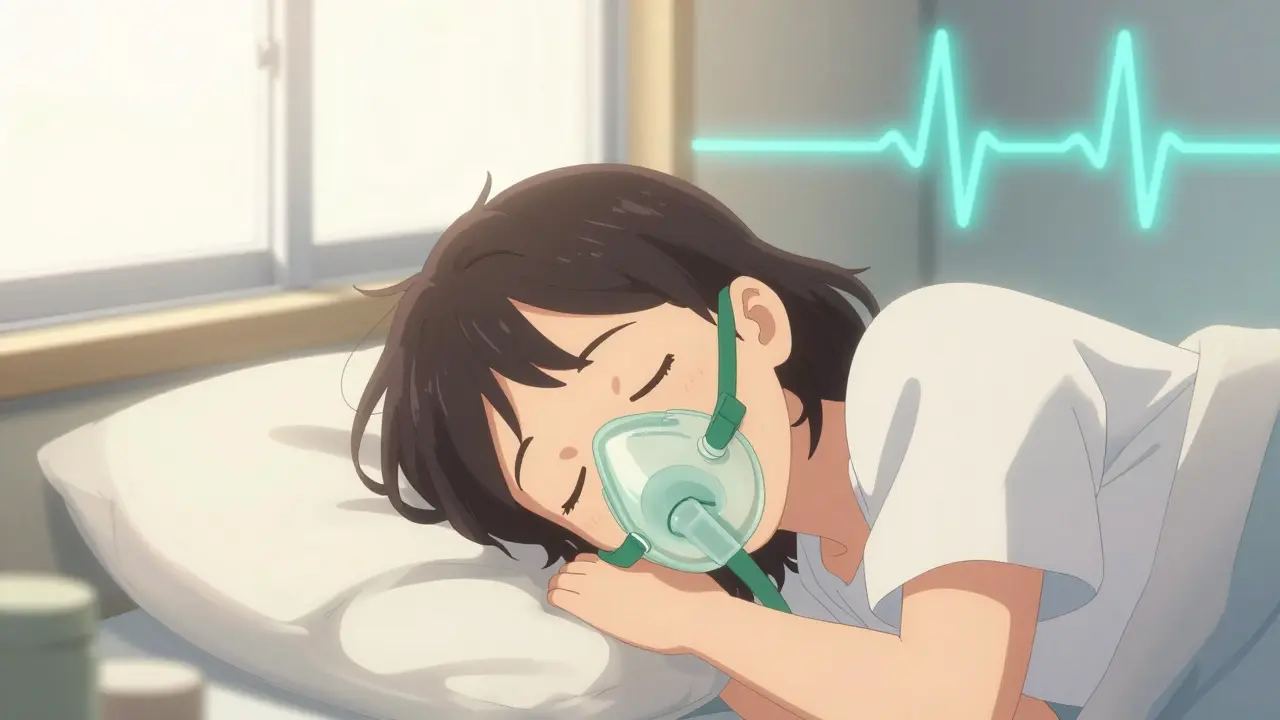
The good news is that unlike a genetic predisposition, the heart damage from sleep apnea can often be slowed or even partially reversed with the right treatment. The gold standard is CPAP Therapy (Continuous Positive Airway Pressure), which uses a machine to deliver a steady stream of air that keeps your throat open.
When used consistently, CPAP does more than stop the snoring; it lowers the internal stress on your cardiovascular system. On average, patients see their systolic blood pressure drop by 5-10 mmHg. Even more impressive is the impact on heart rhythms: consistent use can decrease the recurrence of atrial fibrillation by 42% over a year.
However, CPAP isn't a "plug and play" solution for everyone. About 30% of people quit in the first year because the mask feels uncomfortable or the air pressure feels too strong. The secret to success is often in the settings. Using a "ramp" feature that slowly increases pressure, adding humidification to prevent a dry throat, and replacing mask cushions every three months can make the difference between a failed treatment and a healthier heart.
For those who absolutely cannot tolerate CPAP, newer options like hypoglossal nerve stimulation (Inspire Therapy) are emerging. This involves a small implanted device that stimulates the tongue muscle to keep the airway open, showing a significant reduction in apnea events in clinical trials.
Recognizing the Warning Signs
You can't always rely on a partner telling you that you snore. Many people with OSA don't snore loudly but still experience the heart-straining effects of apnea. Look for these red flags:
- Waking up with a dry mouth or a morning headache.
- Excessive daytime sleepiness, even after a full night's rest.
- Frequent urination during the night (nocturia), which is often a sign of the heart releasing a hormone due to pressure changes.
- High blood pressure that is difficult to control with medication.
- Episodes of heart palpitations or a "racing" heart.
If you have any of these, a sleep study is the next logical step. Most people can now do a home sleep apnea test, which is convenient and accurate for the vast majority of cases. A professional diagnosis involves calculating your Apnea-Hypopnea Index (AHI)-the number of times your breathing pauses per hour. An AHI of 5 or more indicates OSA, while 30 or more is considered severe.
Can treating sleep apnea actually lower my blood pressure?
Yes. By eliminating the nightly spikes in sympathetic nervous system activity and reducing oxidative stress, CPAP therapy often leads to a sustained drop in both nocturnal and daytime blood pressure. Some patients even find they can reduce their blood pressure medications after consulting with their doctor.
Is sleep apnea the cause of my atrial fibrillation?
It may be a primary driver or a major contributing factor. OSA creates electrical instability in the heart and promotes atrial fibrosis (scarring). Because the risk of AFib is significantly higher in severe OSA patients, treating the apnea is often a critical part of managing the heart rhythm disorder.
Does only overweight people get sleep apnea?
No. While obesity is a common risk factor, OSA can be caused by the physical structure of your jaw, enlarged tonsils, or even age-related changes in muscle tone. Recent research shows that even adults under 40 can suffer from OSA and experience the associated heart risks.
What is the difference between obstructive and central sleep apnea?
Obstructive sleep apnea is a physical blockage of the airway. Central sleep apnea happens when the brain fails to send the correct signals to the muscles that control breathing. OSA typically has a stronger and more direct link to cardiovascular risks like hypertension and stroke due to the intense mechanical strain on the heart.
How long does it take to see heart benefits from CPAP?
While sleep quality often improves within days, cardiovascular benefits like lowered blood pressure can be seen within a few months of consistent use. Long-term reductions in arrhythmia recurrence are typically measured over 6 to 12 months of adherence.