Tramadol Interaction & Risk Screener
Step 1: Medication Check
Select any medications you are currently taking alongside Tramadol:
Step 2: Symptom Check
Click on any symptoms you are currently experiencing:
- Do NOT stop medications abruptly without a doctor.
- Schedule a medication review with your pharmacist.
- Discuss CYP2D6 genetic testing with your provider.
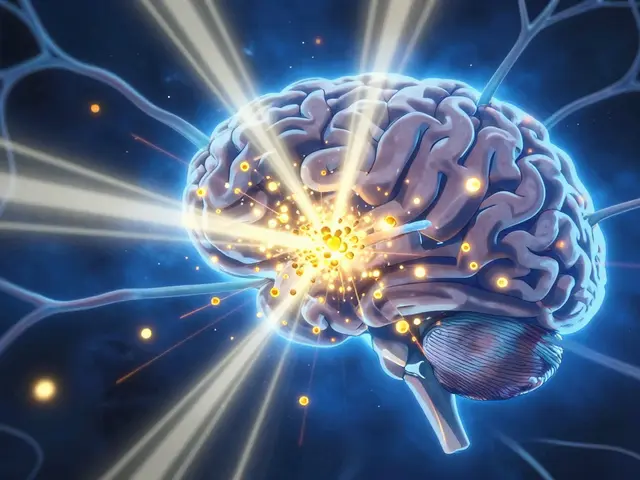
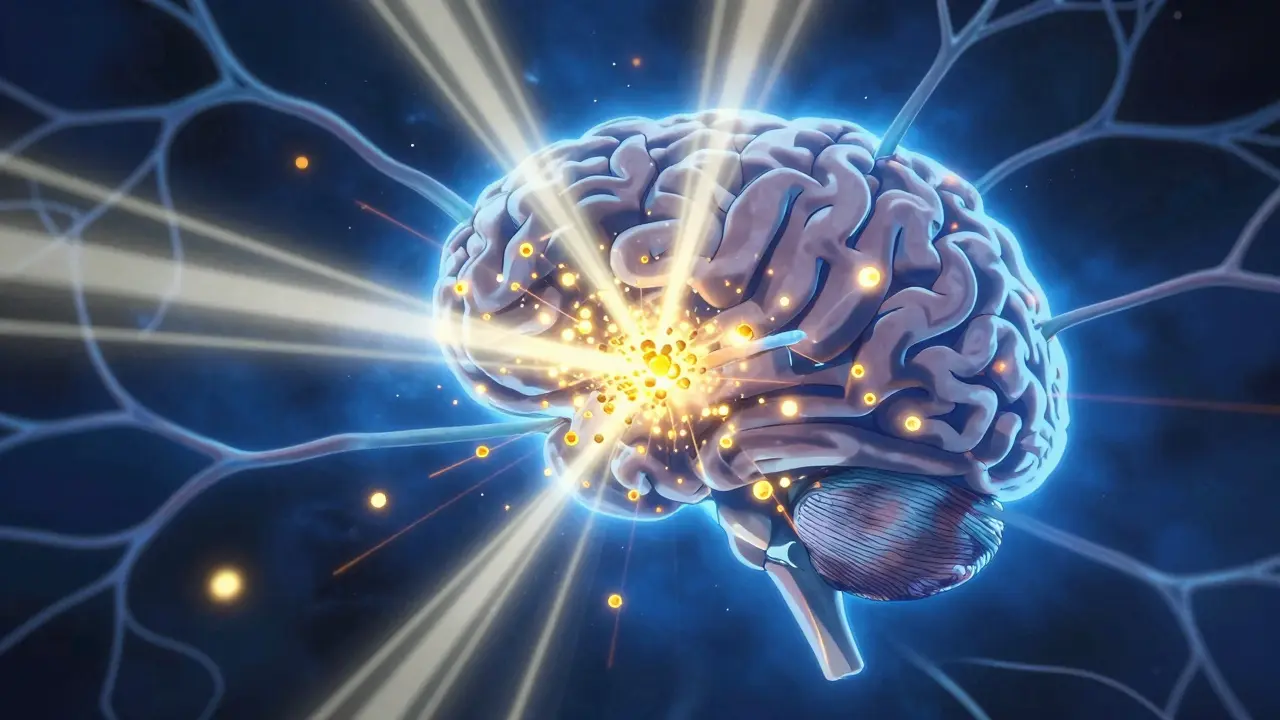
If you're taking an antidepressant or a certain type of migraine medication, your brain is already managing higher levels of serotonin. When you add Tramadol into the mix, it's like adding fuel to a fire. Your system can become overloaded with serotonin, leading to a toxic state that can range from a mild case of the "shivers" to a full-blown medical emergency. It isn't just about mixing drugs, either; some people's bodies simply process the medication differently, making them more prone to this reaction regardless of other meds.
Why Tramadol Is Different From Other Opioids
To understand the risk, we have to look at how Tramadol actually works. Standard opioids like morphine or oxycodone have a very specific target: the mu-opioid receptors. Tramadol does that too, but it's much weaker at it-about 6,000 times weaker than morphine. To make up for that, it acts as a Serotonin-Norepinephrine Reuptake Inhibitor (SNRI). Essentially, it stops your brain from vacuuming up serotonin and norepinephrine, leaving more of these chemicals floating around in your synapses.
This is where the danger lies. While a drug like Tapentadol also affects norepinephrine, it doesn't touch serotonin nearly as much. Because Tramadol actively increases serotonin levels, it can push the brain over the edge into toxicity. In fact, studies have shown a staggering 14.7% incidence rate of serotonin syndrome when Tramadol is paired with certain antidepressants, compared to barely 1% for drugs like codeine.
The Genetic Lottery: The Role of CYP2D6
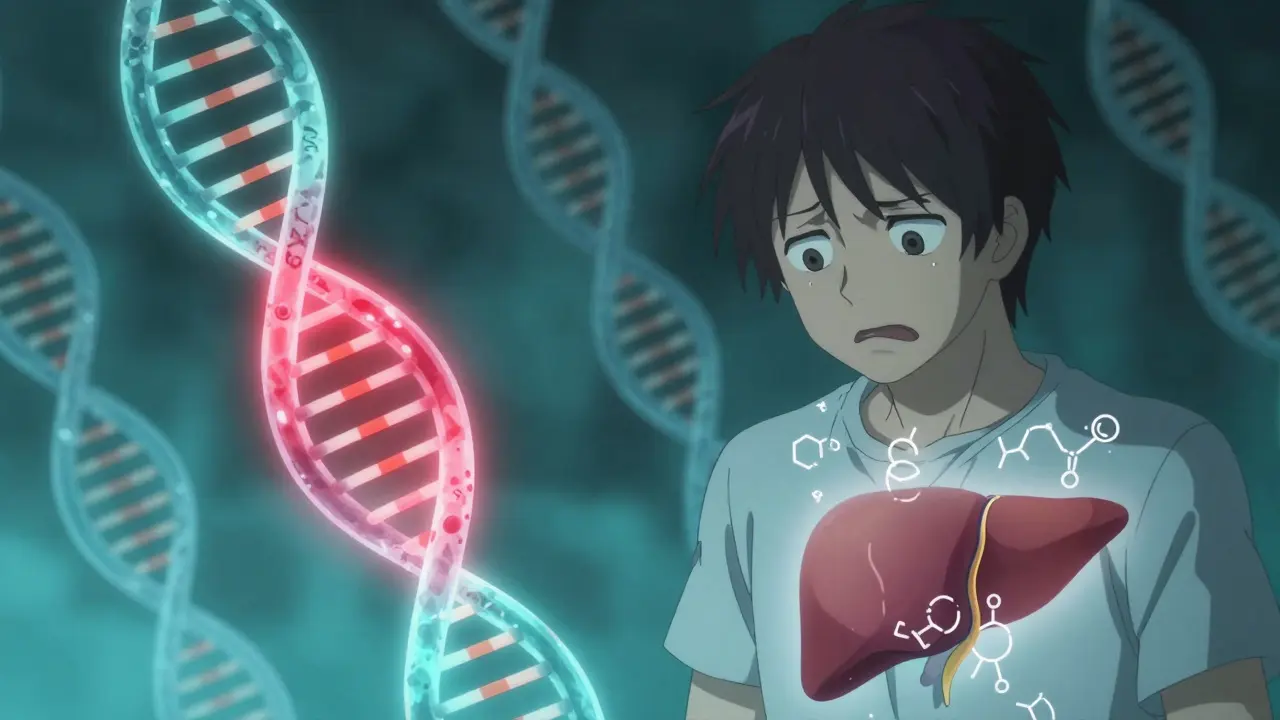
Not everyone reacts to Tramadol the same way, and a lot of that comes down to your DNA. Your liver uses an enzyme called CYP2D6 to break down Tramadol into its active form, O-desmethyltramadol (M1). This M1 version is what actually provides the most pain relief.
However, about 7% to 10% of white patients are "poor metabolizers." Their bodies can't process the drug efficiently. For these people, the parent drug-the (+)-tramadol enantiomer-builds up in the system. Since this specific part of the drug is the one responsible for blocking serotonin reuptake, poor metabolizers are at a much higher risk for serotonin syndrome, even if they aren't taking other medications. It's a classic example of how genetic differences can turn a standard dose into a dangerous one.
Identifying the Red Flags of Serotonin Syndrome
Serotonin syndrome doesn't always happen instantly, and it doesn't always look like a crisis at first. It often starts with a feeling of restlessness or anxiety. However, as the toxicity grows, the symptoms become more physical and distinct. Doctors often use the Hunter Serotonin Toxicity Criteria to diagnose it because the symptoms can look a lot like other issues, such as opioid withdrawal or a bad fever.
Keep an eye out for these specific clusters of symptoms:
- Muscle Changes: Shaking (tremors), extreme rigidity, or "clonus" (involuntary muscle contractions, often seen in the ankles).
- Autonomic Instability: Heavy sweating (diaphoresis), shivering, a spiking fever (hyperthermia), and a racing heart.
- Mental State: Confusion, agitation, or hallucinations.
In severe cases, a person's temperature can skyrocket. There are documented reports of patients reaching temperatures over 104°F (40°C) and requiring ICU admission for several days. This is why recognizing the early signs-like a combination of agitation and muscle twitching-is so critical.
| Feature | Traditional Opioids (e.g., Morphine) | Tramadol |
|---|---|---|
| Primary Mechanism | Mu-opioid receptor agonist | Opioid agonist + SNRI activity |
| Serotonin Interaction | Negligible | High (inhibits reuptake) |
| Risk of Serotonin Syndrome (Monotherapy) | Virtually non-existent | Possible (especially in poor metabolizers) |
| Risk with SSRIs | Low | Significant (3.6-fold increase) |
| FDA Warnings | Standard opioid risks | Black box warning for seizures (>400mg/day) |
Dangerous Pairings: What to Avoid
If you are prescribed Tramadol, you need to be incredibly careful about what else you're putting in your body. The most dangerous combinations involve drugs that also increase serotonin levels. The risk isn't just that they add up; some of these drugs actually block the CYP2D6 enzyme, meaning your body can't clear the Tramadol, leading to a "therapeutic overdose."
Avoid or use extreme caution with these classes of medications:
- SSRIs: Examples include Fluoxetine (Prozac), Sertraline (Zoloft), and Lexapro. These are the most common culprits in drug-drug interactions.
- SNRIs: Drugs like Venlafaxine or Duloxetine that work similarly to Tramadol's own mechanism.
- MAOIs: Older antidepressants that can cause a massive, dangerous surge in serotonin.
- Triptans: Used for migraines (like Sumatriptan), these also increase serotonin activity in the brain.
A real-world example: a patient taking Lexapro for anxiety might feel fine for a few days after starting a low dose of Tramadol, only to end up in the emergency room with a high fever and muscle rigidity because the two drugs created a perfect storm of serotonin overload.

Management and Safer Alternatives
If serotonin syndrome is suspected, the first step is always immediate discontinuation of the offending drug. In a hospital setting, doctors often use a medication called Cyproheptadine, which acts as a serotonin antagonist-essentially a "blocker" that stops serotonin from binding to receptors. Benzodiazepines are also used to calm agitation and stop muscle rigidity.
Because of these risks, the medical community is shifting toward safer options. For people with neuropathic pain, some doctors are moving toward Tapentadol, which has been shown in preliminary studies to have a significantly lower incidence of serotonin syndrome. There is also ongoing research into "M1-tramadol," a derivative that keeps the pain-killing power but removes the serotonergic risk.
For older adults, the risk is even higher. The 2019 Beers Criteria suggests that Tramadol may be inappropriate for those over 65 because their systems are often more sensitive and they are more likely to be taking multiple interacting medications. If you're choosing a pain reliever, always ask your doctor if there's a non-serotonergic alternative that fits your genetic profile and current med list.
Can I get serotonin syndrome taking Tramadol alone?
Yes, it is possible. While it's much more common when combined with other drugs, some people-especially those who are poor CYP2D6 metabolizers-can develop symptoms even at recommended doses. There are documented cases of patients experiencing rigidity and mental status changes taking only 100 mg of Tramadol twice daily.
Is Tramadol safer than morphine?
It depends on what you mean by "safer." Tramadol is generally less potent and has a lower risk of respiratory depression than morphine. However, it introduces a unique risk-serotonin syndrome-that traditional opioids like morphine simply do not have. It also carries a higher risk of seizures if the dose exceeds 400 mg per day.
What is the most dangerous drug to take with Tramadol?
MAOIs (Monoamine Oxidase Inhibitors) are generally considered the most dangerous because they drastically increase the amount of serotonin available in the brain. However, common SSRIs like Fluoxetine are frequent triggers for serotonin syndrome when paired with Tramadol due to their prevalence and their ability to inhibit the enzyme that breaks down Tramadol.
How do I know if I am a "poor metabolizer" of Tramadol?
You can't tell just by looking at your symptoms, as you might find the drug simply doesn't work for your pain. The only way to know for sure is through CYP2D6 genetic testing. If you find that Tramadol provides no pain relief or causes unexpected side effects like extreme anxiety, talk to your doctor about this genetic variation.
What should I do if I think I have serotonin syndrome?
This is a medical emergency. You should stop taking the medication immediately and seek emergency care. Tell the medical staff exactly which medications and dosages you've taken, specifically mentioning any antidepressants or migraine meds, as this helps them choose the right treatment (like cyproheptadine) quickly.
Next Steps and Troubleshooting
If you are currently taking Tramadol and are worried about your risk, don't stop your medication abruptly, as this can cause withdrawal. Instead, schedule a medication review with your pharmacist or doctor. Bring a complete list of every supplement and over-the-counter drug you take, as even some herbal remedies (like St. John's Wort) can increase serotonin levels.
For those with chronic pain who have had bad reactions to Tramadol, ask your provider about a pharmacogenetic test. Knowing your CYP2D6 status can help your doctor pick a drug that your body can actually process, reducing the guesswork and the risk of a dangerous interaction. If you have a history of bipolar disorder, be especially cautious, as some reports suggest Tramadol can trigger hypomania alongside serotonergic effects.