NSAIDs and Lithium: Risks, Interactions, and What You Need to Know
When you take NSAIDs, nonsteroidal anti-inflammatory drugs used for pain, swelling, and fever. Also known as nonsteroidal anti-inflammatories, they include common meds like ibuprofen, naproxen, and celecoxib. and lithium, a mood-stabilizing drug used primarily for bipolar disorder. Also known as lithium carbonate, it helps control extreme mood swings. together, you’re not just adding two medications—you’re risking a serious, sometimes life-threatening interaction. The problem isn’t just that they work differently. It’s that NSAIDs change how your body handles lithium, turning a safe dose into a dangerous one.
Lithium is tricky. It has a very narrow window between helping and harming. Your kidneys filter it out, and even small changes in kidney function can cause lithium to build up. NSAIDs reduce blood flow to the kidneys, which slows down lithium clearance. This isn’t a rare side effect—it’s well-documented. Studies show that people on lithium who start taking NSAIDs see lithium levels rise by 25% to 50% within days. That’s enough to trigger symptoms like tremors, confusion, nausea, or even seizures. The risk is highest in older adults, people with dehydration, or those already on blood pressure meds like ACE inhibitors or diuretics. You don’t need to avoid NSAIDs entirely, but you need to know the signs and talk to your doctor before using them.
Many people don’t realize that even occasional use of ibuprofen for a headache or naproxen for back pain can be risky. Over-the-counter doesn’t mean safe with lithium. The same goes for topical NSAIDs—patches and gels can still get absorbed into your bloodstream. If you’re on lithium, your doctor should check your blood levels more often when you start or stop any NSAID. They might also suggest safer alternatives like acetaminophen for pain, or physical therapy for inflammation. And if you’re already feeling off—dizzy, nauseous, or confused—don’t assume it’s just stress. It could be lithium toxicity. Your kidneys are the key here. Anything that stresses them, from NSAIDs to dehydration to salt restriction, puts lithium at risk.
What you’ll find below are real-world guides from people who’ve lived through these interactions. Some explain how they caught the problem early. Others share what they switched to instead of NSAIDs. There are posts on how to read medication labels for hidden risks, how fatigue and dehydration make lithium more dangerous, and how to talk to your doctor when insurance pushes you toward cheaper drugs that might not be safe. This isn’t theoretical. These are stories from people managing bipolar disorder while avoiding kidney damage, hospital visits, and worse. You’re not alone in this. The right information can keep you safe.
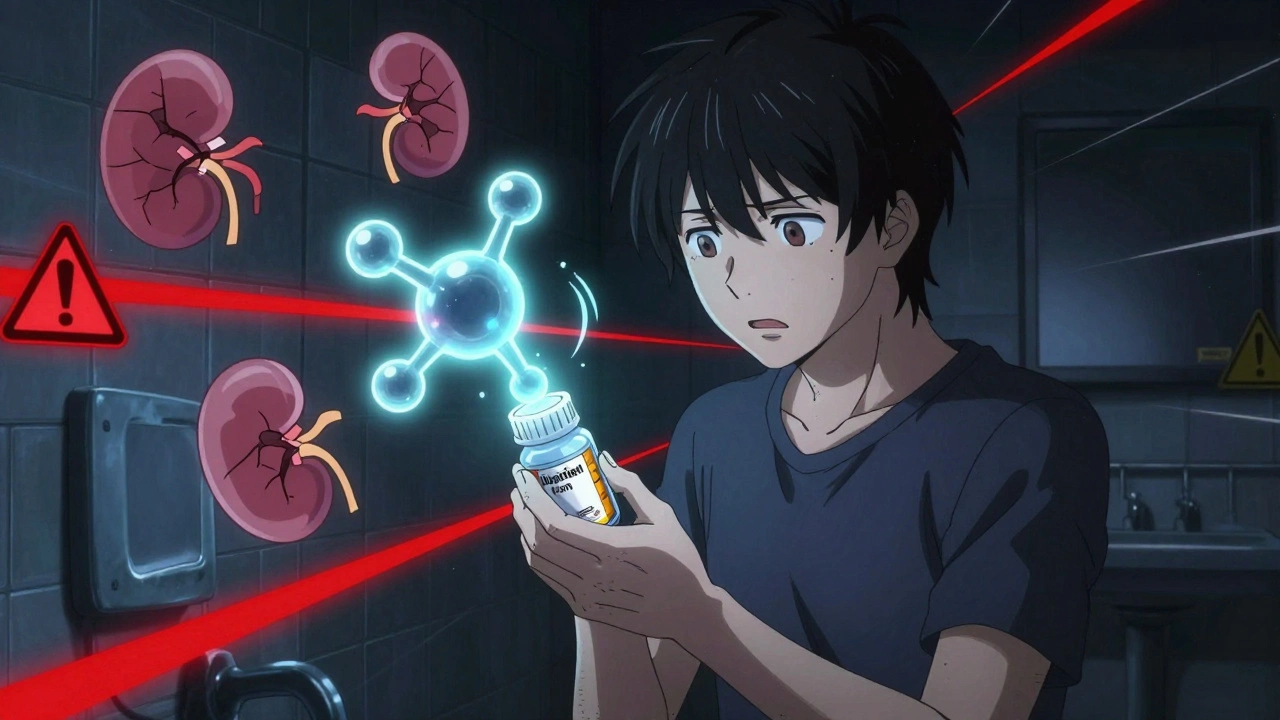
Lithium Interactions: NSAIDs, Diuretics, and Dehydration Risks
Lithium is a powerful mood stabilizer, but even small changes in NSAIDs, diuretics, or hydration can trigger dangerous toxicity. Learn how to avoid life-threatening interactions and stay safe while on treatment.
Continue Reading