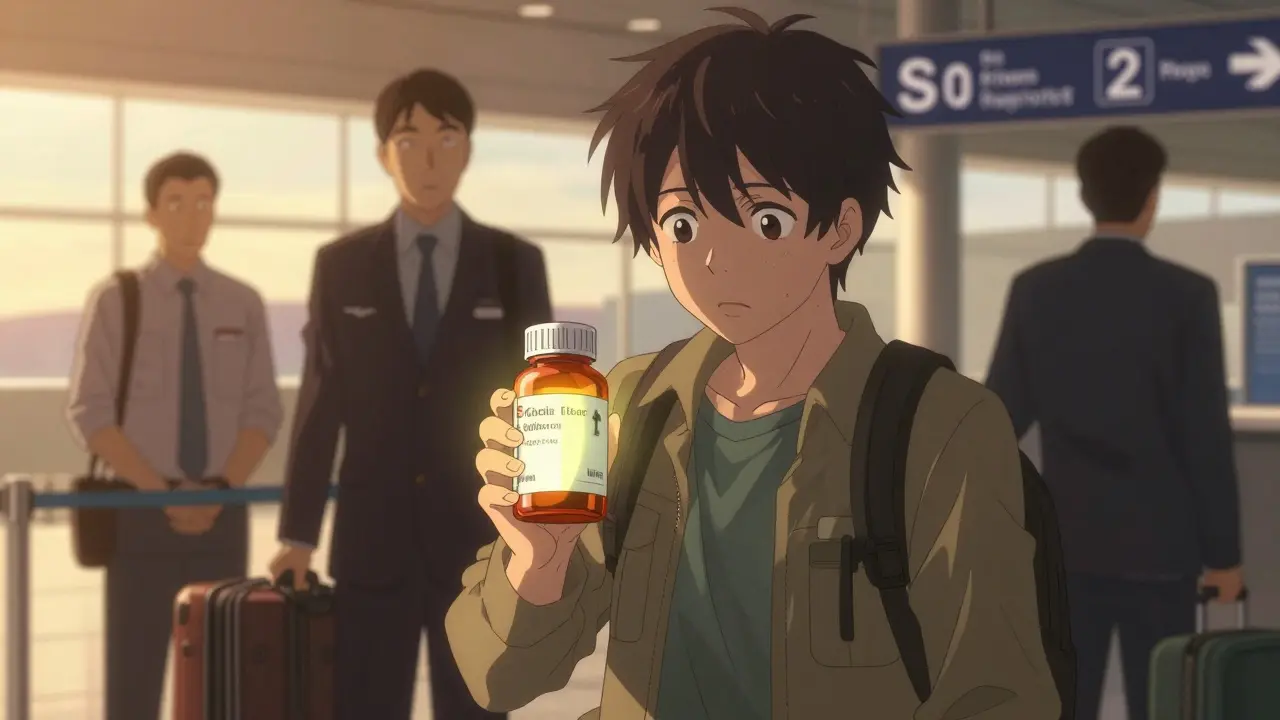
Medication Restrictions Checker
Check if Your Medication is Allowed in Your Destination
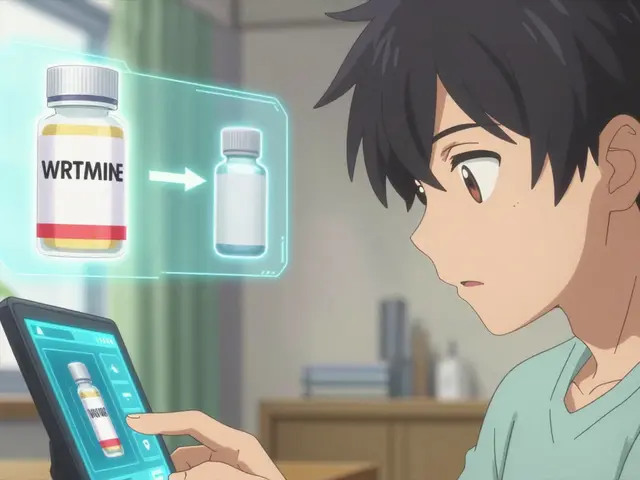
Use this tool to verify if your medications are permitted when traveling internationally. Based on data from the U.S. State Department's Medication Check Tool.
Results
Enter your medication and destination country to see restrictions
When you're on the road, your meds aren't just pills in a bottle-they're your lifeline. Missing a dose, losing your prescription, or getting stopped at customs because your medicine isn't allowed in another country? That’s not a minor inconvenience. It’s a medical emergency waiting to happen. And it’s more common than you think. In 2022, over 1,200 U.S. travelers faced legal issues abroad because of how they carried their medications. One Toyota executive spent 23 days in a Japanese jail after customs found a painkiller she’d mailed to herself. She didn’t know it was illegal there. You shouldn’t have to learn the hard way.
Keep Medications in Original Containers
Your pharmacy bottle isn’t just for show. It’s your legal proof that the medicine belongs to you. The TSA, CDC, and U.S. State Department all agree: never transfer pills to daily pill organizers or ziplock bags for travel. Keep them in their original, labeled containers. Why? Because if security or customs asks, they need to see the patient’s name, the doctor’s name, the pharmacy, and the dosage. No label? You’re at risk of being denied entry, having your meds confiscated, or worse.This rule applies even if you’re just flying across the U.S. TSA allows you to carry liquid medications over 3.4 ounces-but only if you declare them at security. And yes, you still need the original bottle. A 2023 update from TSA clarified this: you can bring as much as you need, but you must show it’s yours. Same goes for international travel. Countries like Japan, Singapore, and South Korea don’t just ask for paperwork-they check the label against the prescription. If it doesn’t match, you’re in trouble.
Bring More Than You Think You’ll Need
Travel plans change. Flights get delayed. Doctors’ offices close on holidays abroad. That’s why experts recommend bringing a full supply of medication plus 7 to 14 extra days. Northwestern University’s travel safety team says: “Plan for the worst.” If you’re going for two weeks, bring four weeks’ worth. Why? Because overseas pharmacies can’t refill a U.S. prescription. Not even close. And you can’t mail meds to yourself from home-customs will seize them.Insulin? Bring extra. Allergy injectors? Double up. Even your daily multivitamin-if you rely on it-pack more. A 2023 CDC survey found that 38% of travelers who ran out of meds abroad had to cut doses, skip days, or end up in urgent care. One man in Thailand ran out of his blood pressure pills after a 10-day flight delay. He ended up in the ER with a hypertensive crisis. He had brought exactly what he needed. No buffer. No backup.
Know What’s Allowed Where
Here’s the scary part: 67% of countries restrict at least one common U.S. medication. That includes stuff you can buy over the counter. Sudafed? Banned in 28 countries because of pseudoephedrine. Adderall? Illegal in Japan, South Korea, and the UAE. Ambien? Forbidden in 42 countries. Even some painkillers with codeine are restricted in Europe and Asia.Don’t guess. Check. The U.S. State Department launched a free Medication Check Tool in March 2023. Just type in your medication name and your destination. It tells you if it’s allowed, if you need a letter from your doctor, or if it’s completely banned. Harvard Global Support Services also publishes country-specific lists. For example, Japan prohibits 14 U.S. medications, including certain ADHD drugs and codeine-based cough syrups. If you’re flying to Dubai, even melatonin is regulated. In Australia, you need a permit for melatonin. You think you’re just going on vacation. You’re actually entering a legal minefield.
Carry Documentation
A prescription copy isn’t enough. For international trips, you need a letter from your doctor. It should say: your name, your condition, the medication name (generic and brand), dosage, frequency, and why you need it. If you’re carrying injectables, controlled substances, or anything that sounds suspicious, this letter is your shield. It’s not optional. It’s your ticket to getting through customs without a search, a fine, or detention.Pro tip: Get it on letterhead. Translate it into the language of your destination if you can. Some travelers carry laminated copies in English and Spanish, French, or Japanese. One woman in Brazil was asked for proof her insulin was legal. She had a translated letter. The officer nodded and waved her through. Another traveler without one was held for five hours while officials called the embassy.
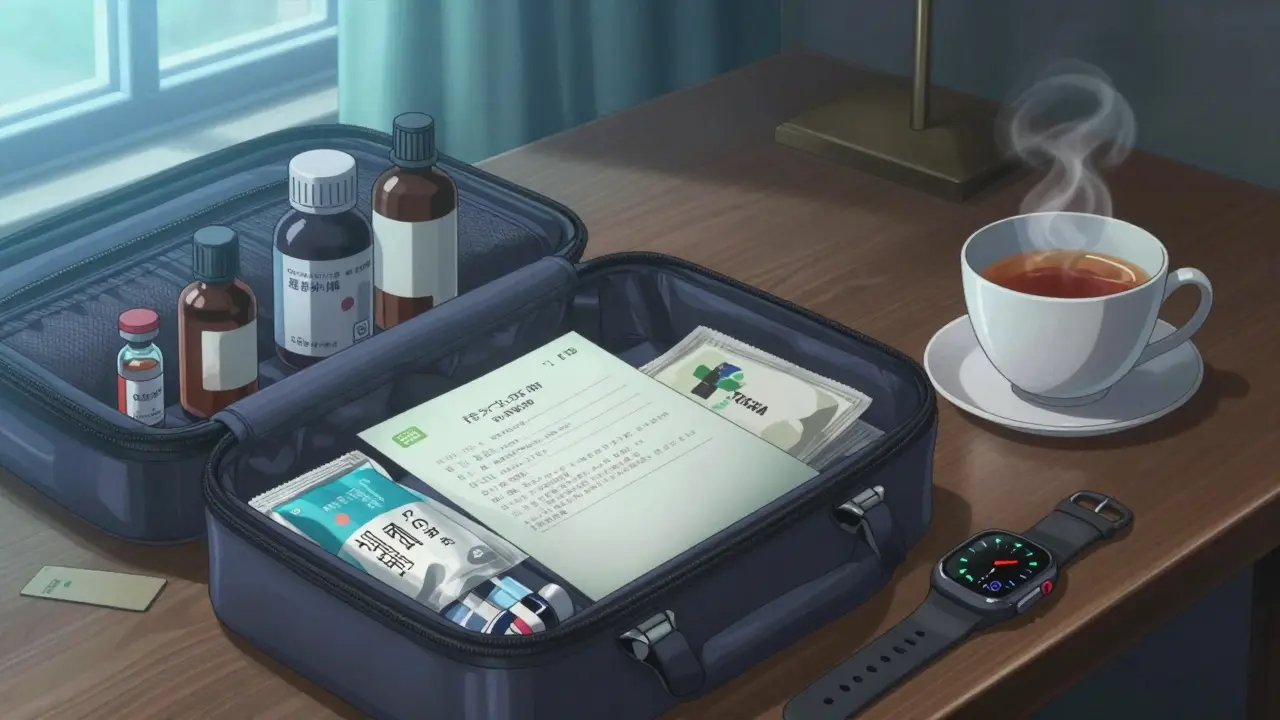
Manage Temperature and Storage
Heat kills meds. Cold can ruin them too. Insulin must stay between 36°F and 46°F (2°C-8°C). If you’re traveling to a tropical country, your bag might hit 90°F in the trunk of a taxi. That’s not safe. Solid pills? Most need to stay under 86°F (30°C). Heat can break down active ingredients. Moisture? That’s a problem for tablets and capsules.Use a pharmaceutical-grade cooling pack. They’re designed to keep meds cool for 48+ hours without freezing. You can buy them online or ask your pharmacy-they often have them. Never put insulin in checked luggage. Never leave pills in a hot car. One traveler in Mexico left her thyroid meds in a car for three hours. The pills turned sticky. She didn’t know they were ruined until she took one and felt dizzy all day. She had to buy a new supply at triple the price.
Time Zones and Dosing Schedules
Changing time zones messes with your body clock-and your meds. Taking a pill meant for 8 a.m. at 11 p.m. local time? That can throw off your rhythm. WebMD says it’s usually fine to take meds 1-2 hours early or late. But never double up. If you miss a dose, don’t take two later. That’s how overdoses happen.Set alarms. Not just one. Set one for your home time zone and one for local time. Use your phone, a smartwatch, or even a simple alarm clock. A Reddit user from 2023 shared how he missed his morning blood thinner for three days because he thought he was on the right time. He ended up in the hospital with a blood clot. He didn’t use alarms. He didn’t plan ahead. He thought he’d remember.
Never Check Your Meds
This is non-negotiable. Always carry your medications in your carry-on. Checked bags get lost, delayed, or stolen. TSA requires this. Airlines require this. The U.S. Customs and Border Protection says it outright: “You should travel only with your own medication that was prescribed to you.” If your bag goes missing, you’re stuck. No meds. No backup. No easy fix.One couple flying from Chicago to Bali had their luggage diverted to Singapore. They didn’t realize until they landed. They had their insulin, heart meds, and anxiety pills in checked luggage. They spent three days without them. One had a seizure. The other ended up in a local clinic. They had no documentation. No extra pills. Just panic.
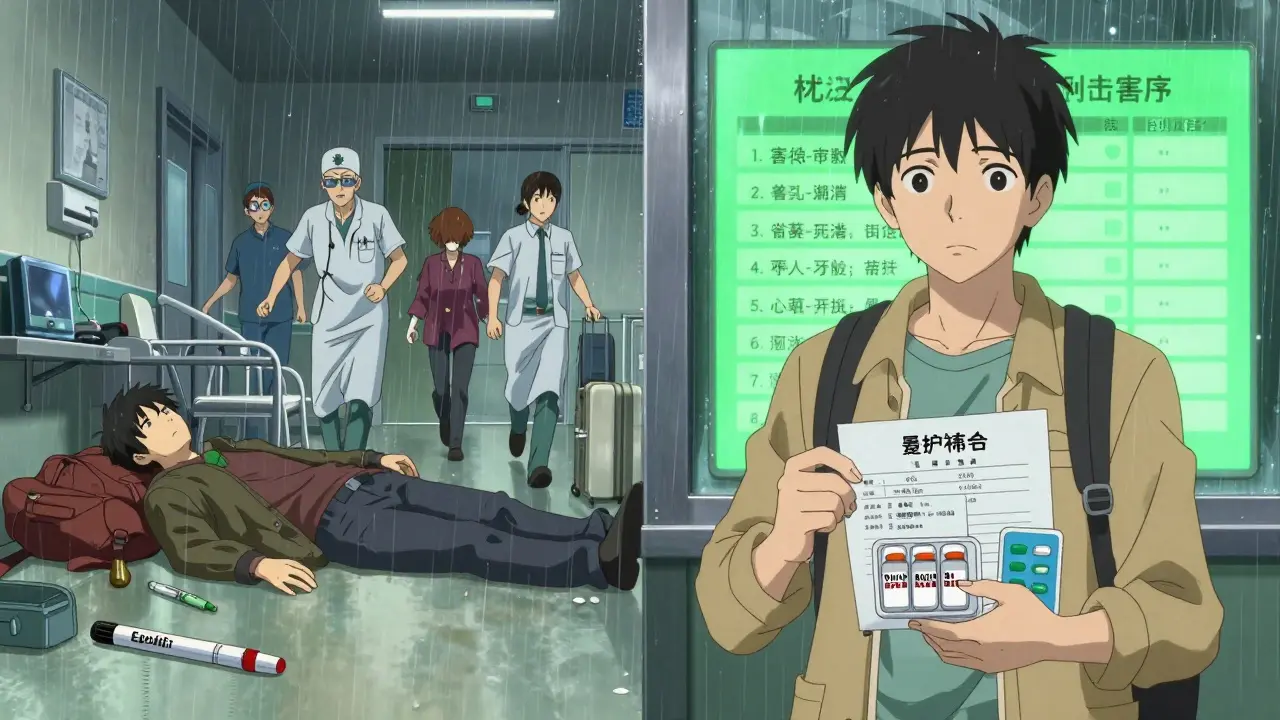
Prepare a Travel Medication Kit
Build a simple kit before you leave. Here’s what to include:- Original bottles with labels
- Doctor’s letter (translated if needed)
- Copy of your prescription
- Extra pills (7-14 days beyond your trip)
- Cooling pack (if needed)
- Small notebook with medication names, doses, and times
- Emergency contact info for your doctor and pharmacy
Keep it in a clear, easy-to-reach pouch. Some pharmacies offer pre-packed travel kits with labeled doses. Ask your pharmacist. 74% of travelers who used them said they felt more confident and less stressed.
What If Something Goes Wrong?
You lost your meds. You ran out. You got sick. Here’s what to do:- Go to the nearest U.S. embassy or consulate. They can help you contact your doctor or find a local pharmacy.
- Call your pharmacy back home. They may be able to fax a prescription to a local pharmacy in some countries.
- Don’t buy meds from street vendors. Counterfeit drugs are a huge problem abroad.
- If you’re in a crisis, go to a hospital. Bring your documentation. They’ll help you.
One woman in Italy had a severe allergic reaction. She had her EpiPen, but it was expired. She didn’t know it had expired. She went to the hospital. They gave her a new one. But she had to pay $300. She could’ve avoided it if she’d checked expiration dates before leaving.
Can I bring liquid medications like insulin or nebulizer solutions on a plane?
Yes. TSA allows liquid medications in quantities greater than 3.4 ounces, as long as they’re declared at security and kept in their original labeled containers. You don’t need to put them in a clear plastic bag with your other liquids, but you must inform the officer. Insulin, inhalers, and other essential liquids are exempt from the standard 3-1-1 rule.
Can I get my prescription refilled overseas?
No. Overseas pharmacies cannot refill U.S. prescriptions. Even if they have the same brand name, the formula or dosage may differ, and the prescription isn’t legally valid there. Always bring enough medication for your entire trip plus extra. If you need more, contact your doctor back home-they may be able to send a new prescription to a pharmacy in your destination country, but that’s not guaranteed.
What if my medication is banned in the country I’m visiting?
Don’t bring it. If your medication is banned, even with a prescription, you risk arrest, detention, or deportation. Use the U.S. State Department’s Medication Check Tool to verify legality before you go. If you absolutely need the medication, talk to your doctor about alternatives that are legal in that country. Some countries allow generic versions or different brands.
Do I need a doctor’s letter for over-the-counter meds like ibuprofen or antihistamines?
Usually not for common OTC meds like ibuprofen or allergy pills-but some countries regulate even these. For example, pseudoephedrine (in Sudafed) is banned in many countries. If you’re carrying more than a small personal supply, or if the medication contains a restricted ingredient, a doctor’s letter can help avoid delays. When in doubt, bring one.
What should I do if I have a side effect while traveling?
If you experience a serious side effect-like dizziness, trouble breathing, or swelling-seek medical help immediately. Don’t wait. Keep your medication list and doctor’s contact info handy. If it’s mild, like nausea or fatigue, monitor it. Don’t stop or change your dose without consulting a doctor. Many travelers assume side effects are normal when traveling, but they could signal a reaction to new food, climate, or interaction with local meds. Better safe than sorry.



8 Comments
James Roberts
February 20, 2026Let me get this straight-you’re telling me I can’t just toss my pills into a pill organizer like a normal human being? 🤯
And now I’m supposed to carry a doctor’s letter, a translated version, a cooling pack, and a laminated copy of my prescription like I’m smuggling nuclear codes? I’m going to Bali, not infiltrating a North Korean lab.
Also, why does the U.S. State Department have a whole tool for this? Who approved this? Who sat in a room and said, ‘Hey, let’s make traveling with medicine feel like a spy mission’?
I love how every paragraph ends with ‘you’re in trouble’ like it’s a horror movie. ‘And then… the customs officer… looked at the label… and sighed.’
But honestly? I’m not mad. I’m impressed. This is the most thorough travel guide I’ve ever read. I’ll probably print this out and frame it. And then I’ll still put my meds in a ziplock. Just… with a printed copy taped to it. 😅
Maddi Barnes
February 20, 2026Okay, I’m gonna say this gently: if you’re traveling with meds and not treating this like a high-stakes international negotiation, you’re already one step from a hospital bed.
I spent three weeks in Thailand last year with my insulin, and let me tell you-when the pharmacy clerk stared at my bottle like I’d brought a live snake into the shop, I was glad I had the doctor’s letter in Thai. Translation? Non-negotiable. Even if you think you’re fluent, don’t rely on Google Translate at customs.
And yes, I brought 30 days’ worth for a 14-day trip. Why? Because my flight got canceled. Twice. And the local clinic? They had the same brand, but the dosage was off by 20%. I didn’t want to find out what ‘off’ meant.
Also: melatonin is regulated in Australia? I thought that was just sleep candy. Turns out, in their eyes, it’s a controlled substance. Like, imagine a country where your sleep aid is more suspicious than your vape pen.
So yeah, this isn’t paranoia. It’s preparation. And if you’re rolling your eyes? Just remember: the person who got detained in Japan? She wasn’t trying to be dramatic. She just thought her meds were harmless.
Bring the letter. Bring the extra. Bring the cooling pack. Bring the calm. And maybe… just maybe… stop treating your body like it’s a rental car.
Jana Eiffel
February 21, 2026It is both a profound and disquieting revelation that the modern traveler, in pursuit of restorative leisure, must now navigate a labyrinth of pharmacological sovereignty-a geopolitical minefield disguised as a vacation.
The notion that a prescribed pharmaceutical, a substance designed to sustain life, is rendered illicit by arbitrary national boundaries speaks volumes about the fragmentation of global medical ethics.
One cannot help but reflect upon the absurdity of a system wherein an individual’s physiological necessity is subject to the whims of customs officials who may lack even rudimentary medical training.
It is not merely a logistical challenge-it is a moral one. Why should a diabetic, a hypertensive, or an epileptic be forced to become a legal scholar before boarding a flight?
The requirement for a translated, notarized letter from a physician is not an inconvenience; it is a systemic failure of international medical reciprocity.
And yet, we are told to carry extra pills, to plan for delays, to anticipate the collapse of supply chains in foreign jurisdictions-because the alternative is unthinkable.
Perhaps the true crisis is not the regulation of medication, but the normalization of such regulation as an acceptable burden upon the human body.
One must ask: who benefits from this? Who profits from the anxiety, the delays, the risk? And when will we demand a world where health is not a privilege of borders?
John Cena
February 23, 2026Been there. Done that. Got the T-shirt that says 'I survived customs with my insulin.'
Worth every extra pill. Worth the cooling pack. Worth the weird looks from TSA agents when I pulled out three bottles and a laminated letter.
Didn’t even need to use the letter. But having it? Made me feel like I wasn’t just some guy with a bag of pills. I was a legitimate patient. And that matters.
Also, never check meds. Not even once. Not even if you’re flying first class. Not even if you’re a CEO. Not even if you trust the airline. You don’t. They lose bags. All the time.
Simple rule: carry-on. Always. No exceptions. I’ve seen people try. They regret it.
Irish Council
February 24, 2026They say you can't mail meds to yourself. But I did. Twice. Got through. No one cared. Probably because I didn't tell them.
Freddy King
February 25, 2026Let’s be real: this whole thing is just corporate healthcare’s way of outsourcing liability.
Why should the government or airlines handle your meds? Nah. Let the traveler become a compliance officer with a laminated checklist.
And don’t get me started on the 'cooling pack'-that’s just a fancy way of saying 'buy this $40 gadget because your pharmacy has a partnership with Amazon.'
Insulin doesn’t die in heat. It just gets… less effective. Like a cheap battery. You’ll know. You’ll feel it. Your body’s got sensors. Use them.
And let’s talk about the doctor’s letter. You need a letter? Why not just give everyone a QR code that links to your EHR? That’s 2025 tech. We’re still using paper? Really?
Also-why are we treating meds like contraband? This isn’t a drug war. It’s a diabetic trying to get to Cancún.
But hey. At least we’ve got a tool. And a checklist. And a whole Reddit post to make us feel like we’re doing everything right.
Meanwhile, the real problem? No one’s fixing the system. We’re just teaching people how to survive it.
Laura B
February 25, 2026One thing this post doesn’t mention: what to do if you’re traveling with a child who needs meds.
I took my 8-year-old to Canada last year. She has asthma. We had her inhaler. We had the prescription. We had the letter. We even had a backup inhaler.
But when we got to customs, the officer asked if she had a diagnosis. Not the inhaler. Not the prescription. The diagnosis.
I panicked. I didn’t have that paperwork.
Turns out, Canada doesn’t care about U.S. prescriptions. But they do care about whether the meds are being used for the right condition. I had to call my pediatrician on the phone while standing in line.
So if you’re traveling with a kid-don’t just bring the meds. Bring the diagnosis. Bring the history. Bring the notes. And if you can, get a second copy of everything.
Also-set alarms. Even if you’re not the one taking the meds. You’re the one who has to remember.
This isn’t about being extra. It’s about being ready.
Jayanta Boruah
February 26, 2026It is a fundamental error to equate pharmaceutical regulation with personal freedom. The state, in its sovereign capacity, retains the right to control the importation of substances that may interfere with public health, social order, or moral integrity. The notion that one's personal medical necessity supersedes national pharmacopeia is not merely naïve-it is dangerously libertarian.
Japan bans Adderall not because it is cruel, but because it recognizes the societal cost of cognitive enhancement drugs in a culture that values collective harmony over individual chemical optimization.
Similarly, the prohibition of pseudoephedrine in 28 nations is not an oversight-it is a deliberate policy to curb the illicit production of methamphetamine.
Therefore, the traveler who complains of inconvenience is not a victim; he is a willful ignoramus who chooses ignorance over due diligence.
One does not demand the right to carry controlled substances across borders as if it were a human right. One complies. One prepares. One respects.
The U.S. State Department tool exists because the American citizen, in his arrogance, assumes the world bends to his pharmaceutical convenience. It does not. It never has.
Bring your letter. Bring your extra. Bring your humility. And if you cannot, then perhaps you should not travel at all.