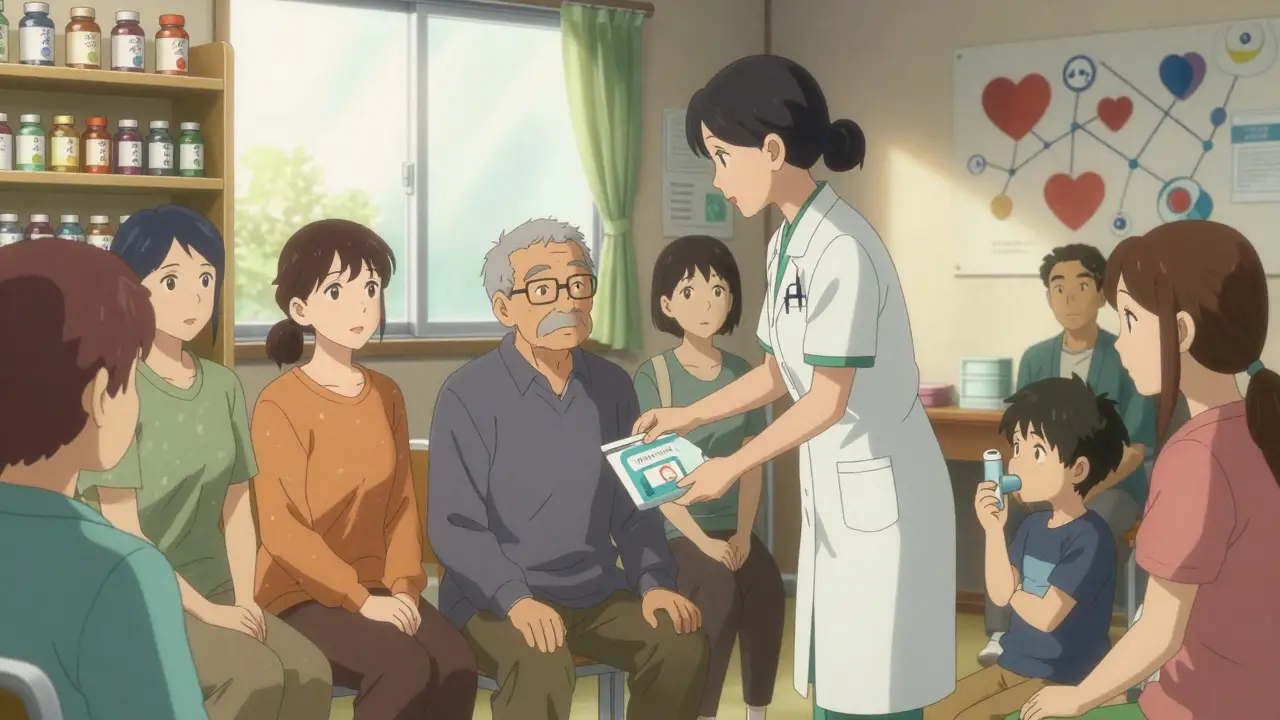
If you’re struggling to pay for your prescriptions, you’re not alone. Over 30 million Americans don’t have health insurance, and even those with coverage often face copays and deductibles that make medications unaffordable. The good news? Free and low-cost community clinics across the U.S. exist specifically to help people like you get the medicines they need-without the financial burden.
How Community Clinics Give You Free or Discounted Medications
Community clinics don’t just treat symptoms; they help you get the pills, inhalers, and injections you need to stay healthy. These clinics operate in three main ways: through donated medicines, sliding-scale fees, or direct partnerships with drug companies.Federally Qualified Health Centers (FQHCs) are the most common type. They charge you based on your income. If you earn under $29,160 as a single person in 2023, you might pay just $20 to $50 per visit-and your medications cost the same or less. You won’t be turned away if you can’t pay right away.
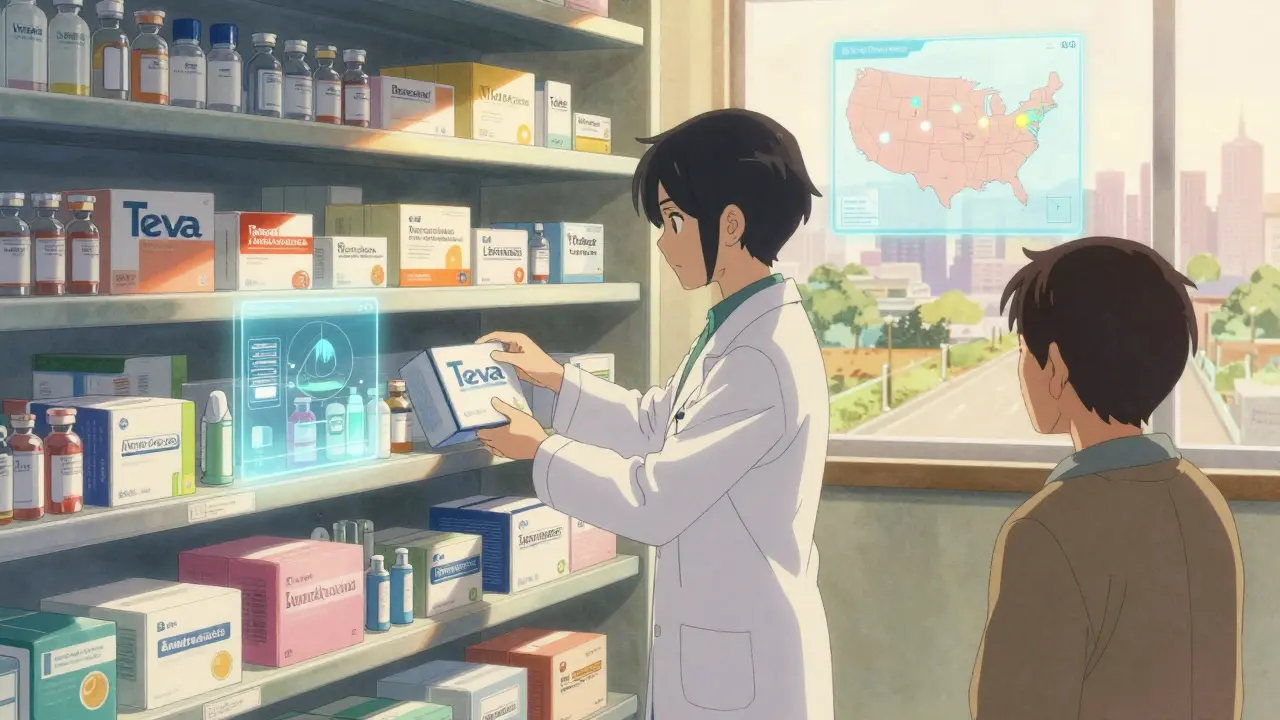
Other clinics, called free clinics, serve people with no insurance at all. Many offer medications completely free. These clinics rely on donations from pharmaceutical companies like Teva and Americares, who give away brand-name drugs that would normally cost hundreds per month. For example, someone with diabetes might get insulin for free, or a person with high blood pressure could receive lisinopril without paying a cent.
These aren’t random handouts. Clinics use structured programs to match patients with the right medications. Americares, one of the largest distributors, gave out $190 million in medicines in 2023 alone to nearly 1,000 clinics serving over 7 million people. That’s real, verified support-not just promises.
Where to Find These Clinics Near You
You don’t have to guess where to go. There are two official tools that list every clinic that offers medication help:- HRSA’s Find a Health Center tool - This is your best starting point. It shows all Federally Qualified Health Centers. Just enter your zip code, and it will list nearby clinics with their hours, services, and sliding fee scales.
- National Association of Free & Charitable Clinics (NAFC) - Their website, nafcclinics.org, has a directory of over 1,400 free clinics. Not all offer medications, but most do. You can filter by state and see which ones have in-house pharmacies or partner with drug assistance programs.
Some states also have their own directories. For example, Virginia has vafreeclinics.org, which lists clinics that treat hypertension, diabetes, and asthma with free or low-cost meds. Check your state’s health department website if you can’t find your area on the national list.
What You Need to Qualify
You don’t need to be homeless or unemployed to qualify. Most clinics serve people earning up to 200% of the federal poverty level. That means:- Single person: under $29,160/year
- Family of four: under $59,400/year
Many patients are working people-cashiers, delivery drivers, teachers-who make too much for Medicaid but too little to afford their prescriptions. One clinic in Virginia called HOPES serves people who have insurance but can’t afford copays. If your insurance has a $500 deductible and you need a $120 monthly pill, you still qualify.
To apply, bring:
- Proof of income: recent pay stubs, tax return, or unemployment letter
- Proof of residency: utility bill, lease, or ID with your address
- Photo ID
- Current medication list or empty pill bottles
Some clinics ask you to fill out a short form about your medical history. They need to know what you’re taking so they can match you with the right donated drugs or assistance programs. Don’t worry if you don’t have all your records-just bring what you can.
What Medications Are Available?
The most common medications offered are for chronic conditions that require daily use:- Diabetes: Metformin, insulin, GLP-1 agonists
- High blood pressure: Lisinopril, amlodipine, hydrochlorothiazide
- Asthma: Albuterol inhalers, fluticasone
- Cholesterol: Atorvastatin, simvastatin
- Mental health: Sertraline, fluoxetine, citalopram
These are not generic-only options. Many clinics get brand-name drugs through donations. For example, a patient might receive Humalog insulin instead of a cheaper alternative because the clinic received a donation of the brand-name version.
Some clinics now focus specifically on mental health. In 2023, a partnership between Direct Relief, NAFC, and Teva Pharmaceuticals gave $75,000 grants to clinics in California, Florida, and New Jersey to expand access to antidepressants and anti-anxiety meds. More states are joining this effort.
What You Won’t Get (And What to Do Instead)
Free clinics won’t give you every medication. They rarely stock:- Specialty drugs for rare diseases (like those for cystic fibrosis or MS)
- Brand-name drugs without generic equivalents if no donation is available
- Medications for acute issues like antibiotics for infections (some clinics do, but not all)
If you need something outside their scope, ask the clinic staff. Many have case managers who help patients apply for pharmaceutical patient assistance programs directly. These are run by drug companies like Pfizer, Merck, or Novo Nordisk. You can get a free 3-month supply of a $1,000 drug if you qualify.
Another option is to ask if the clinic partners with a local pharmacy. Some clinics have agreements with Walgreens, CVS, or independent pharmacies to fill prescriptions at a reduced rate.
Real Challenges-And How to Work Around Them
These clinics are lifesavers, but they’re not perfect. Here’s what you might run into-and how to handle it:- Long wait times: Many clinics have 4-6 week waitlists. Call ahead. Ask if they have same-day slots for urgent needs like insulin or heart meds.
- Limited hours: HOPES Free Clinic, for example, only opens two evenings a week. Plan ahead. If you need refills, schedule them early.
- Medication shortages: 42% of clinics reported running out of certain drugs in 2022. If your usual med isn’t available, ask for alternatives. The staff knows what’s in stock and can often switch you to a similar drug.
- Not all clinics are open every day: Some operate once a month. Check their schedule online or call before you go.
Don’t give up if you get a “no” the first time. Try another clinic nearby. One in Richmond, Virginia, might have insulin in stock while the one in Petersburg doesn’t. Keep calling. The system is stretched thin, but help is out there.
What’s Changing in 2025?
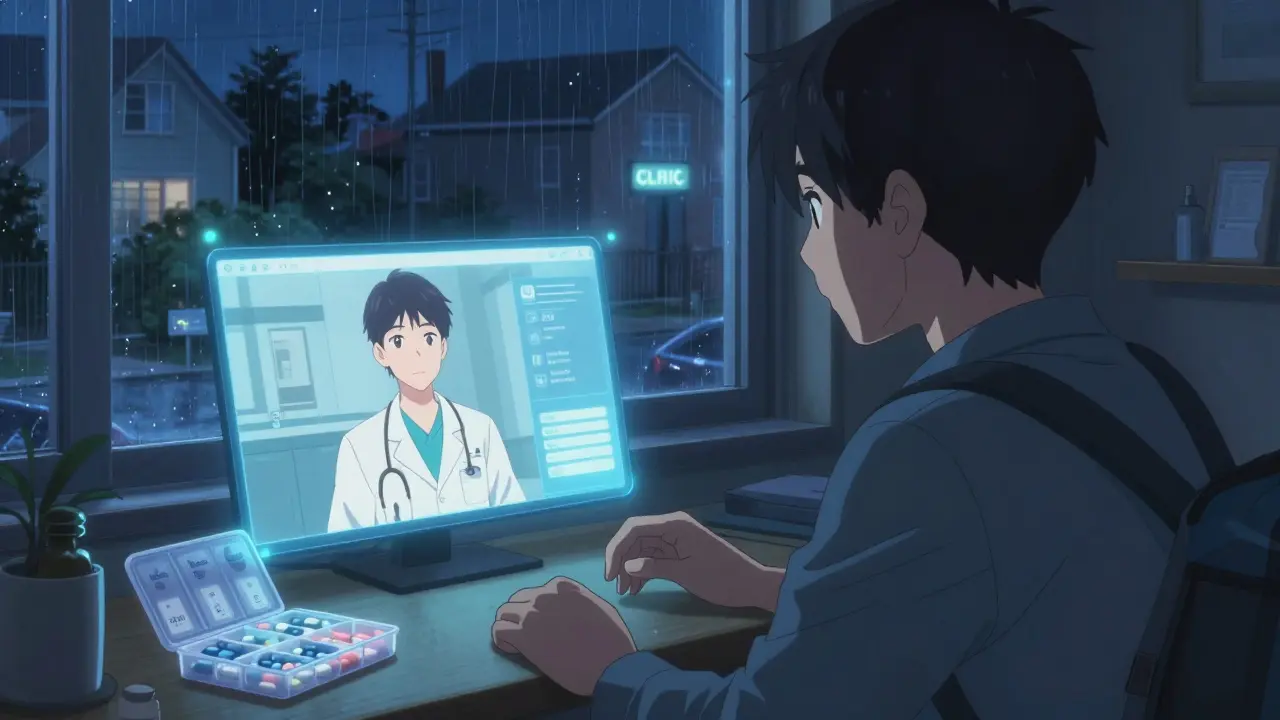
The landscape is improving. More drug companies are donating. More states are funding clinic expansions. The Family Medicine Cares USA program still gives up to $25,000 grants to new clinics, and applications open every March 15. This means more clinics are opening in rural areas where people drive hours to get care.Also, telehealth is slowly being added. Some clinics now offer virtual visits to renew prescriptions, so you don’t have to take time off work to come in. Ask if your clinic offers this.
Most importantly, the message is clear: no one should have to choose between rent and their medicine. These clinics were built on that belief-and they’re still standing.
What to Do Next
If you need help today:- Go to findahealthcenter.hrsa.gov and enter your zip code.
- Call the top 3 clinics on the list. Ask: “Do you provide free or low-cost medications? What do I need to bring?”
- If none are close, visit nafcclinics.org and search by state.
- Bring your ID, proof of income, and a list of your meds to your first visit.
- Ask if they help with applying for drug company programs. Many do.
You don’t need to suffer because you can’t afford your medicine. These clinics exist because someone else once needed help too-and they made sure someone else would be there for you.
9 Comments
sonam gupta
December 29, 2025Why should Americans get free medicine when my country pays for my dad’s insulin out of pocket with his teacher salary? We don’t beg for handouts here. This is just welfare creep.
Julius Hader
December 31, 2025This is honestly one of the most hopeful things I’ve read all year. 🙏 People think America’s broken but this? This is the good stuff. Real community. Real care. No politics, just people helping people. Thank you for sharing this.
Vu L
January 2, 2026Free meds? Yeah right. You think Big Pharma just gives away billions because they’re nice? There’s tax write-offs, PR stunts, and maybe even data harvesting. Don’t be fooled.
James Hilton
January 2, 2026So you’re telling me in America you can get Humalog insulin for free but you can’t get a decent cup of coffee under $8? 🤡
Mimi Bos
January 3, 2026i just found out my local clinic does this and i cried. i’ve been skipping my antidepressants for 3 months. thank u for this post. i’m going tomorrow. 🙏
Payton Daily
January 4, 2026Think about it. This isn’t charity. This is the system finally admitting it failed. We were told to work hard, get insurance, be responsible. But what if the math doesn’t add up? What if the game is rigged? These clinics aren’t the solution-they’re the symptom. We need to tear down the whole pharmacy-industrial complex and rebuild it with dignity. Not handouts. Rights. Human rights. And until we do, we’re just rearranging deck chairs on the Titanic while people drown from diabetes.
oluwarotimi w alaka
January 4, 2026USA always show fake compassion. First they bomb our countries, then they give free pills to their own people like they are gods. But in Nigeria, we die with high blood pressure because no one cares. This is not help. This is propaganda. The world watches and laughs.
Nicole Beasley
January 4, 2026OMG I just applied for insulin through my local clinic and they said YES!! 🥹💖 I’ve been crying every night thinking I’d have to choose between food and my meds. This changed my life. Thank you thank you thank you.
Kelsey Youmans
January 4, 2026It is both profoundly moving and deeply concerning that such an essential public health function must be fulfilled by charitable organizations rather than through universal policy. The fact that millions of citizens rely on donor-funded pharmaceutical distributions underscores a systemic failure in healthcare accessibility. One can only hope this model inspires legislative reform.