Opioid-Induced Adrenal Insufficiency: Causes, Symptoms, and What You Need to Know
When you take opioids long-term, your body can stop making its own stress hormones — a condition called opioid-induced adrenal insufficiency, a hormonal disorder caused by chronic opioid use that suppresses the adrenal glands' ability to produce cortisol. It’s not rare, and it’s often missed because the symptoms look like fatigue, depression, or just "getting older." But this isn’t normal tiredness — it’s your body’s alarm system shutting down because opioids are fooling your brain into thinking it doesn’t need to make cortisol anymore. This isn’t just about painkillers like oxycodone or hydrocodone. Even prescription patches, methadone, or fentanyl can trigger it, especially after months or years of use.
adrenal suppression, the process where the adrenal glands reduce or stop hormone production due to external drug influence is the root of the problem. Your pituitary gland normally tells your adrenals to make cortisol when you’re stressed — but opioids mess with that signal. Over time, your adrenals forget how to work on their own. If you suddenly stop opioids or get sick, injured, or stressed, your body has no backup. That’s when things get dangerous: low blood pressure, nausea, dizziness, or even collapse. It’s not just a side effect — it’s a medical emergency waiting to happen.
And this doesn’t happen in isolation. People on long-term opioids often also take corticosteroids, anti-inflammatory drugs like prednisone that also suppress natural hormone production — doubling the risk. Or they’re on medications that affect potassium or kidney function, which makes symptoms harder to spot. You might think your low energy is from sleep issues or depression, but if you’ve been on opioids for over six months and feel worse when you skip a dose, it could be your adrenals failing. Doctors rarely test for this unless you’re hospitalized — but you don’t need to wait for a crisis. If you’re on chronic opioids and feel constantly drained, dizzy, or nauseated without a clear cause, ask about cortisol levels.
The good news? If caught early, opioid-induced adrenal insufficiency can be reversed. Tapering opioids slowly under medical care, sometimes with short-term hormone replacement, lets your body relearn how to make cortisol again. But if you ignore it, you risk adrenal crisis — a life-threatening drop in blood pressure and electrolytes. This isn’t just about pain management. It’s about protecting your body’s natural balance. The posts below cover what happens when drugs interfere with your hormones, how to spot hidden side effects, and how to talk to your provider before it’s too late. You don’t have to guess if something’s wrong. Here’s what you need to know to stay safe.
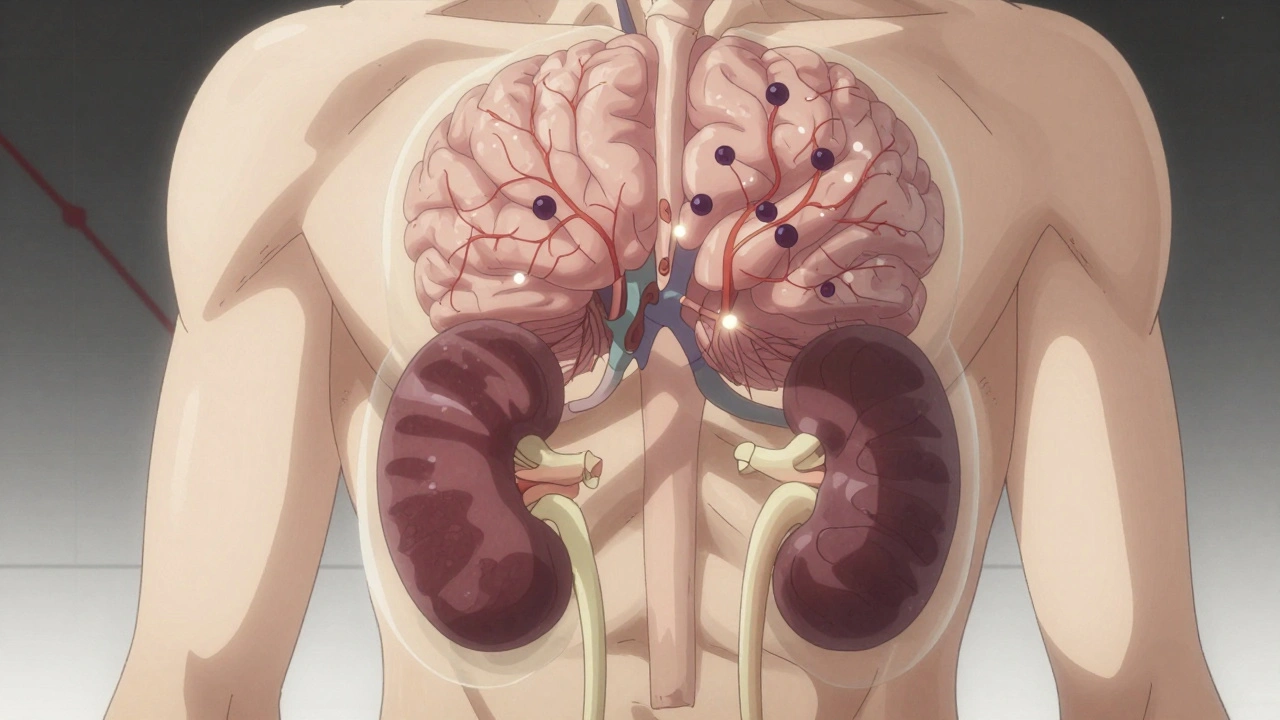
Opioids and Adrenal Insufficiency: A Rare but Life-Threatening Side Effect You Need to Know
Opioid-induced adrenal insufficiency is a rare but life-threatening side effect of long-term opioid use. It suppresses cortisol production, leaving patients vulnerable to crisis during stress. Early testing can save lives.
Continue Reading