FIB-4: What It Is, How It’s Used, and What Your Results Mean
When your doctor suspects liver damage, they don’t always need a needle to find out. The FIB-4, a non-invasive score that estimates liver fibrosis using routine blood tests and age. Also known as Fibrosis-4 index, it helps spot early scarring in the liver before symptoms show up. This isn’t a fancy scan or a risky biopsy—it’s just numbers from a standard blood draw: AST, ALT, platelets, and your age. Put together, they give a clue about how much scar tissue has built up over time.
FIB-4 is used mostly for people with long-term liver risks—like those with fatty liver disease, hepatitis B or C, heavy alcohol use, or type 2 diabetes. It’s not perfect, but it’s cheap, fast, and widely available. If your score is low, it’s likely your liver is still in good shape. If it’s high, your doctor might order more tests—like an ultrasound or elastography—to confirm the problem. It’s not a diagnosis, but it’s a strong signal. And because it uses common lab values, it’s often the first step before anything more expensive or invasive.
What makes FIB-4 useful is how it fits into real-life care. You’ve probably had blood work done for cholesterol or diabetes. Those same numbers can now tell your doctor about your liver too. It’s not about one single value—it’s about how they combine. For example, a 60-year-old with slightly high AST and low platelets might have a higher FIB-4 than a 30-year-old with the same numbers. Age matters. So does how long the liver has been under stress. That’s why this score works better for some people than others. It’s not a one-size-fits-all tool, but it’s a smart starting point.
Doctors use FIB-4 to decide who needs closer monitoring and who doesn’t. If you’re on long-term medication that can affect the liver—like certain cholesterol drugs, antivirals, or even high-dose acetaminophen—your provider might check your FIB-4 every year or two. If you’ve lost weight or started treating hepatitis C, they might use it to track improvement. It’s not flashy, but it’s practical. And when paired with other tools like the APRI score or liver elastography, it becomes even more powerful.
What you won’t find in a FIB-4 report is the exact cause of your liver damage. That still needs more testing. But what it does give you is a clear signal: is your liver healing, staying the same, or getting worse? That’s huge. It means you can act early—before you feel tired, your skin turns yellow, or your belly swells. You don’t need to wait for symptoms. This score helps catch problems when they’re still manageable.
Below, you’ll find real-world stories and science-backed guides on how liver health connects to medications, lifestyle, and long-term care. From how statins affect liver enzymes to why certain antibiotics can raise your FIB-4 score, these posts show you how the pieces fit together. You’ll learn what to ask your doctor, what numbers to track, and how to protect your liver before it’s too late. This isn’t just about a test—it’s about taking control before the damage becomes irreversible.
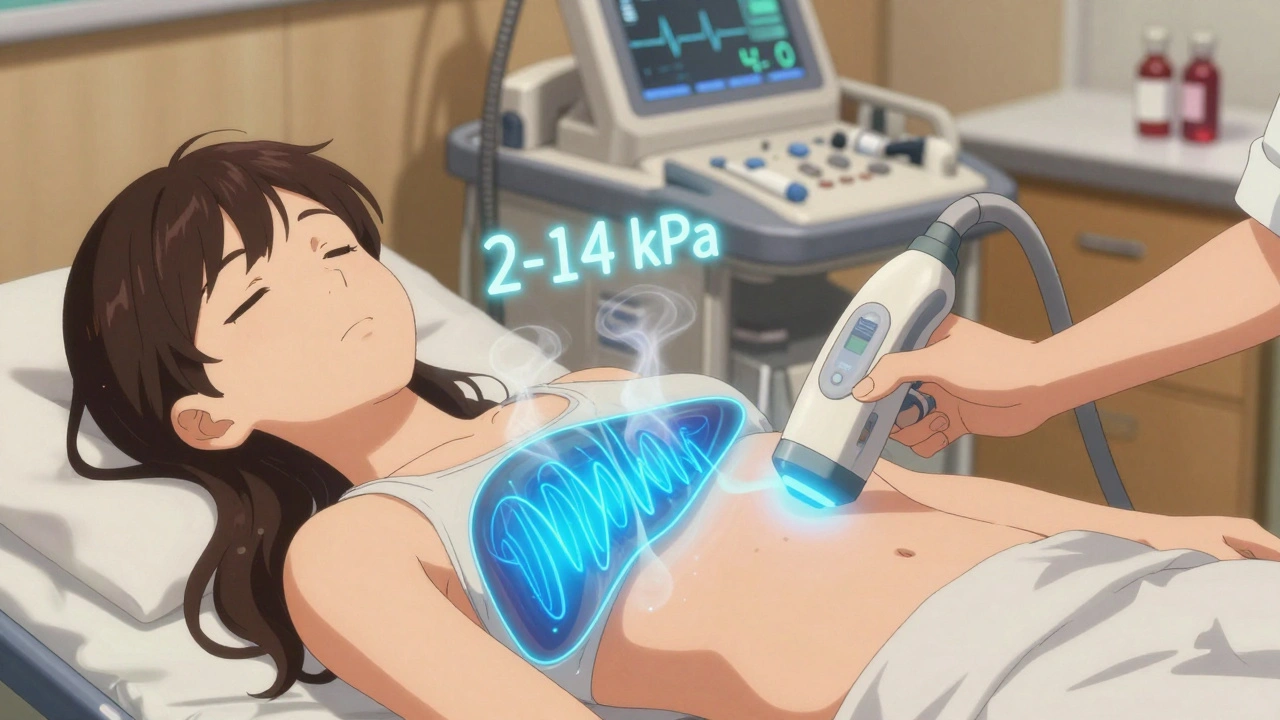
Noninvasive Liver Fibrosis Tests: FibroScan and Serum Scores Explained
FibroScan and serum scores like FIB-4 offer accurate, noninvasive ways to detect liver scarring without biopsy. Learn how they work, when to use each, and why combining them saves lives.
Continue Reading