Psychosis Treatment: Medications, Therapies, and What Actually Works
When someone experiences psychosis, a mental state where a person loses touch with reality, often experiencing hallucinations or delusions. Also known as psychotic episode, it’s not a diagnosis itself—but a symptom of conditions like schizophrenia, bipolar disorder, or severe depression. It’s scary, confusing, and often misunderstood. But psychosis treatment isn’t about locking people away—it’s about giving them back control, one step at a time.
Antipsychotic medications, drugs designed to reduce or eliminate hallucinations, delusions, and disorganized thinking. Also known as neuroleptics, they’re the cornerstone of most treatment plans. First-generation drugs like haloperidol work fast but can cause stiff muscles or tremors. Second-generation ones—like risperidone or olanzapine—are more common today because they’re gentler on movement, though they may lead to weight gain or higher blood sugar. Not everyone responds the same way. Finding the right med often takes trial and error, and sometimes, combining meds with therapy makes all the difference.
Schizophrenia, a chronic brain disorder that often includes psychosis, along with flat emotions, trouble focusing, and social withdrawal. Also known as schizophrenic disorder, it’s one of the most common causes of long-term psychosis. But psychosis can also come from trauma, drug use, or even extreme sleep deprivation. That’s why treatment starts with figuring out the root cause. For some, stopping marijuana or alcohol is enough. For others, it’s a lifelong management plan.
Therapy plays a quiet but powerful role. Cognitive behavioral therapy, or CBT, helps people challenge false beliefs and build coping skills. Family education matters too—when loved ones understand what’s happening, they stop blaming and start supporting. Community programs offer housing, job help, and peer groups. Recovery isn’t about being "cured." It’s about living well despite the condition.
You won’t find magic pills here. But you will find real info on what works, what doesn’t, and how to avoid common traps—like stopping meds too soon because you feel better, or ignoring side effects until it’s too late. The posts below cover everything from how antipsychotics actually affect the brain, to why some doctors hesitate to prescribe them, to what happens when someone misses doses or switches drugs mid-treatment. There’s also advice on handling emergencies, managing long-term risks, and navigating insurance hurdles. This isn’t theory. It’s what people actually deal with—and how to handle it without getting lost in the system.
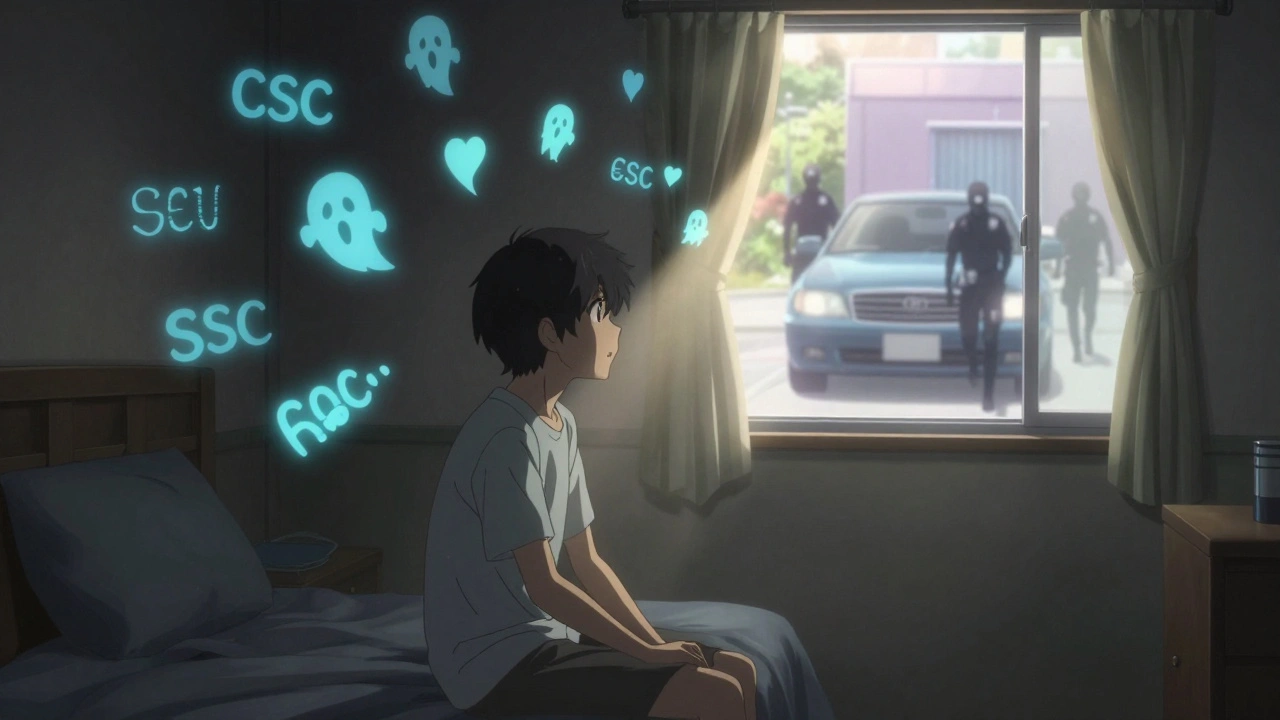
First-Episode Psychosis: Why Early Intervention and Family Support Save Lives
First-episode psychosis is treatable - but only if caught early. Learn how coordinated specialty care and family support can restore lives, reduce relapse, and help people return to school, work, and normal life.
Continue Reading