Liver Fibrosis: Causes, Risks, and What You Need to Know
When your liver gets injured over time—whether from alcohol, viruses, or fatty deposits—it doesn’t just heal. It scars. That scarring is liver fibrosis, the buildup of excess scar tissue in the liver due to chronic injury. Also known as hepatic fibrosis, it’s not a disease on its own, but a response to ongoing damage that can quietly turn into something far worse: cirrhosis, advanced liver scarring that permanently changes liver structure and function.
Liver fibrosis doesn’t always cause symptoms. Many people don’t know they have it until a blood test or scan shows abnormal liver enzymes or stiffness. Common causes include long-term alcohol use, hepatitis B or C, non-alcoholic fatty liver disease (NAFLD), and certain medications. Even something as simple as daily acetaminophen use, if taken too long or in high doses, can contribute. The liver is tough, but it has limits. Every time it fights off damage, it leaves behind a little more scar tissue. Over years, that adds up. And once fibrosis turns into cirrhosis, the damage is mostly irreversible.
What makes liver fibrosis tricky is that it often hides behind other conditions. For example, if you’re on long-term corticosteroids for an autoimmune disease, or taking antibiotics like trimethoprim that affect potassium levels, your liver might be under silent stress. Even some HIV drugs or GLP-1 weight loss agents can impact liver health over time. The good news? Early fibrosis can often be reversed if you catch it in time. Cutting out alcohol, losing weight if you’re overweight, managing diabetes, and treating hepatitis can stop or even reverse the scarring.
There’s no magic pill for liver fibrosis, but the tools to fight it are out there. Blood tests, ultrasound elastography, and sometimes a biopsy help doctors measure how much scarring is present. Lifestyle changes are the foundation—diet, exercise, and avoiding toxins. New drugs are being studied to directly target fibrosis, but right now, the most effective treatment is removing the cause. If your liver is struggling, it’s not just about the liver. It’s about your whole body: your diet, your sleep, your medications, and how you manage stress. The posts below cover exactly that—how medications affect liver health, what to watch for when you’re on long-term treatments, and how to protect your liver before it’s too late. You’ll find real, practical advice from people who’ve been there, and doctors who’ve seen the consequences of ignoring the warning signs.
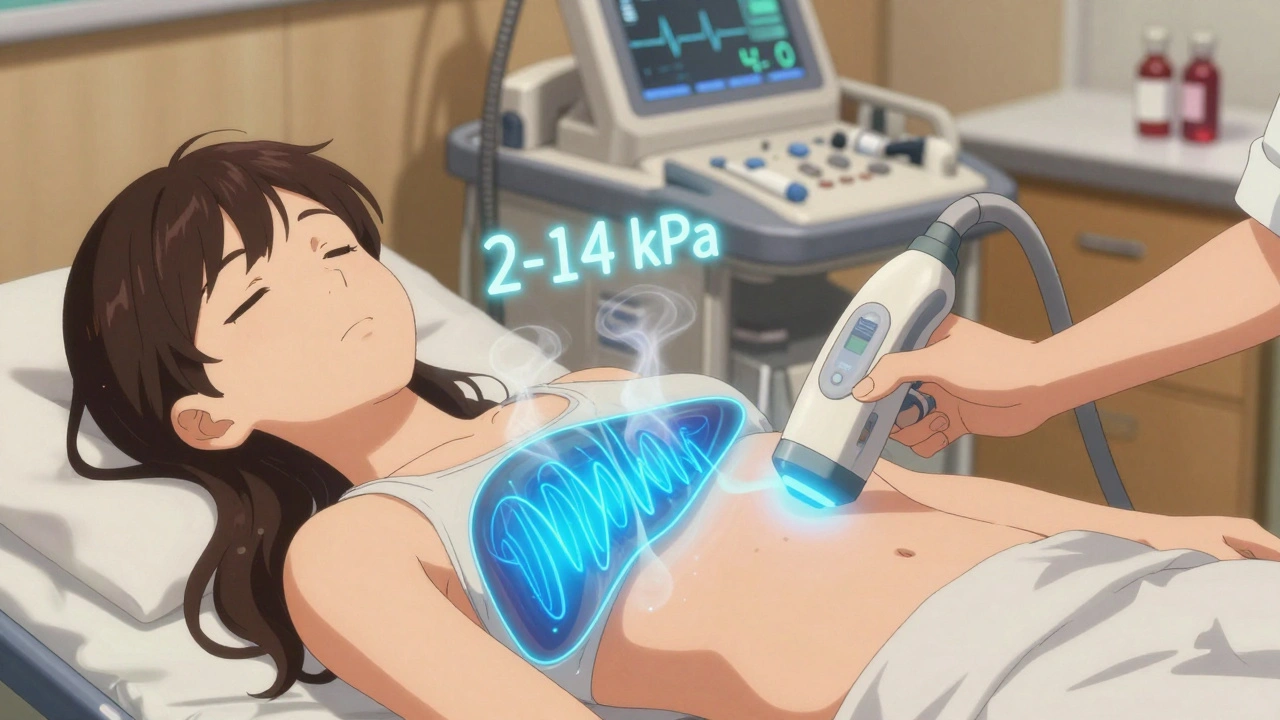
Noninvasive Liver Fibrosis Tests: FibroScan and Serum Scores Explained
FibroScan and serum scores like FIB-4 offer accurate, noninvasive ways to detect liver scarring without biopsy. Learn how they work, when to use each, and why combining them saves lives.
Continue Reading