First-Episode Psychosis: What It Is, How It’s Treated, and What Comes Next
When someone experiences first-episode psychosis, a sudden break from reality marked by hallucinations, delusions, or disorganized thinking. It’s not a diagnosis itself, but a warning sign—often the first signal that something deeper is going on, like schizophrenia, bipolar disorder, or a severe reaction to stress or drugs. This isn’t rare. About 1 in 100 people will go through it, mostly between ages 15 and 30. And yet, many people don’t recognize it until it’s too late.
What does it actually look like? Someone might hear voices no one else hears, believe they’re being followed or watched, or start talking in ways that don’t make sense. They might withdraw from friends, stop showering, or lose interest in everything they used to care about. It’s not laziness or rebellion—it’s the brain misfiring. And when it happens, time matters. The longer psychosis goes untreated, the harder it is to recover. Studies show that getting help within the first 3 months cuts the chance of long-term disability in half.
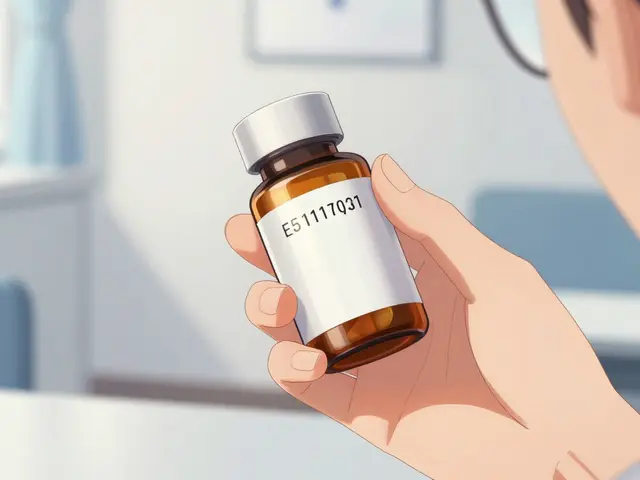
antipsychotic medication, a class of drugs designed to reduce or eliminate hallucinations and delusions is often the first step. But it’s not just about pills. The best outcomes come from combining meds with therapy, family support, and help getting back to school or work. Programs that focus on early intervention—called EIP, or Early Intervention Services—have been proven to work. They don’t just treat symptoms; they help people rebuild their lives.
Not everyone needs lifelong treatment. Some people have just one episode and never have another, especially if the trigger was stress, sleep loss, or a drug like marijuana or amphetamines. Others may need ongoing care. The key is not to wait. If you or someone you know is showing signs, don’t assume it’s "just a phase." mental health treatment, a structured approach that includes therapy, medication, and social support works—but only if you start early.
There’s also a lot of fear around this topic. People worry about being labeled, losing their job, or being seen as "crazy." But the truth is, most people who get help go on to live full, productive lives. The stigma is real, but it’s not the whole story. What matters is what you do next.
In the posts below, you’ll find clear, no-fluff guides on what happens during a first psychotic episode, how antipsychotics really work, what to watch for with side effects, and how families can step in without making things worse. You’ll also see how drugs like cannabis or steroids can trigger psychosis, and why some people recover faster than others. These aren’t theoretical discussions—they’re practical, real-world answers from people who’ve been there, and doctors who’ve treated it.
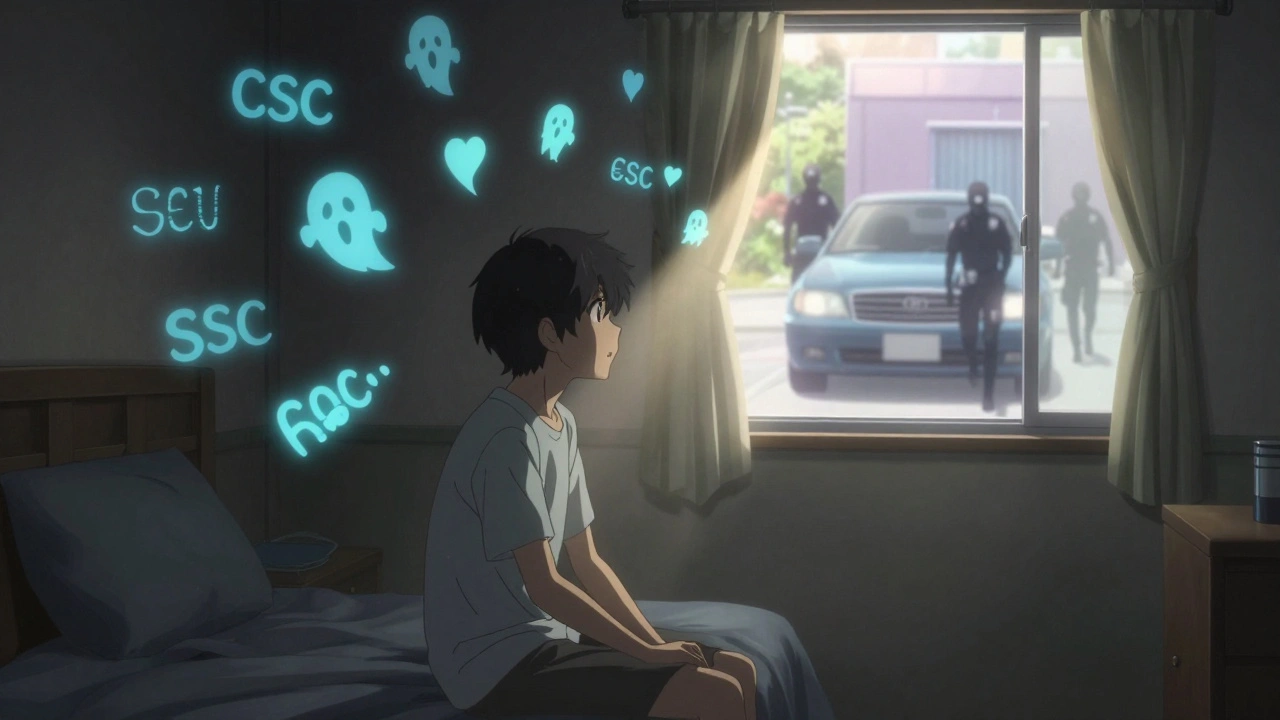
First-Episode Psychosis: Why Early Intervention and Family Support Save Lives
First-episode psychosis is treatable - but only if caught early. Learn how coordinated specialty care and family support can restore lives, reduce relapse, and help people return to school, work, and normal life.
Continue Reading