Coordinated Specialty Care: What It Is and How It Helps People with Early Psychosis
When someone first shows signs of psychosis—like hearing voices, feeling paranoid, or losing touch with reality—time matters. Coordinated specialty care, a structured, team-based treatment model designed for people experiencing their first episode of psychosis. Also known as CSC, it’s not just another therapy program—it’s a full support system built to stop psychosis from taking over a person’s life. Unlike traditional care that hands out pills and sends patients off, coordinated specialty care brings together doctors, therapists, case managers, and peer specialists who work as one team. They don’t just treat symptoms; they help people get back to school, work, and relationships.
This model doesn’t just focus on the person—it includes family members too. Family education is a core part of the program because loved ones often don’t know how to respond when someone starts having hallucinations or withdrawing. Coordinated specialty care teaches them what’s happening, how to communicate without triggering stress, and how to spot early warning signs before things spiral. It also links people to education and employment support, because losing your job or dropping out of school is one of the biggest risks after a first psychotic episode. Studies show people in these programs are twice as likely to stay in school or keep a job compared to those getting standard care.
Medication is part of it, but it’s not the whole story. Antipsychotics are used carefully, with regular check-ins to adjust doses and watch for side effects like weight gain or movement issues. Therapy isn’t just talk—it’s cognitive behavioral therapy tailored to psychosis, helping people question strange beliefs and build coping skills. And because loneliness makes psychosis worse, peer support is built in: someone who’s been through it themselves walks alongside you, not as a professional, but as a real person who gets it.
Coordinated specialty care isn’t for everyone, but it’s the gold standard for early psychosis. It’s been proven in over 200 clinics across the U.S., with data showing reduced hospital stays, better symptom control, and higher recovery rates. It’s not a quick fix—it takes months, sometimes years. But for teens and young adults just starting out, it can change the entire path of their life.
Below, you’ll find real-world guides on how this care works in practice—from managing medication side effects to helping families understand what’s happening. These posts don’t just explain theory. They show you how people actually live with early psychosis and what helps them get back on track.
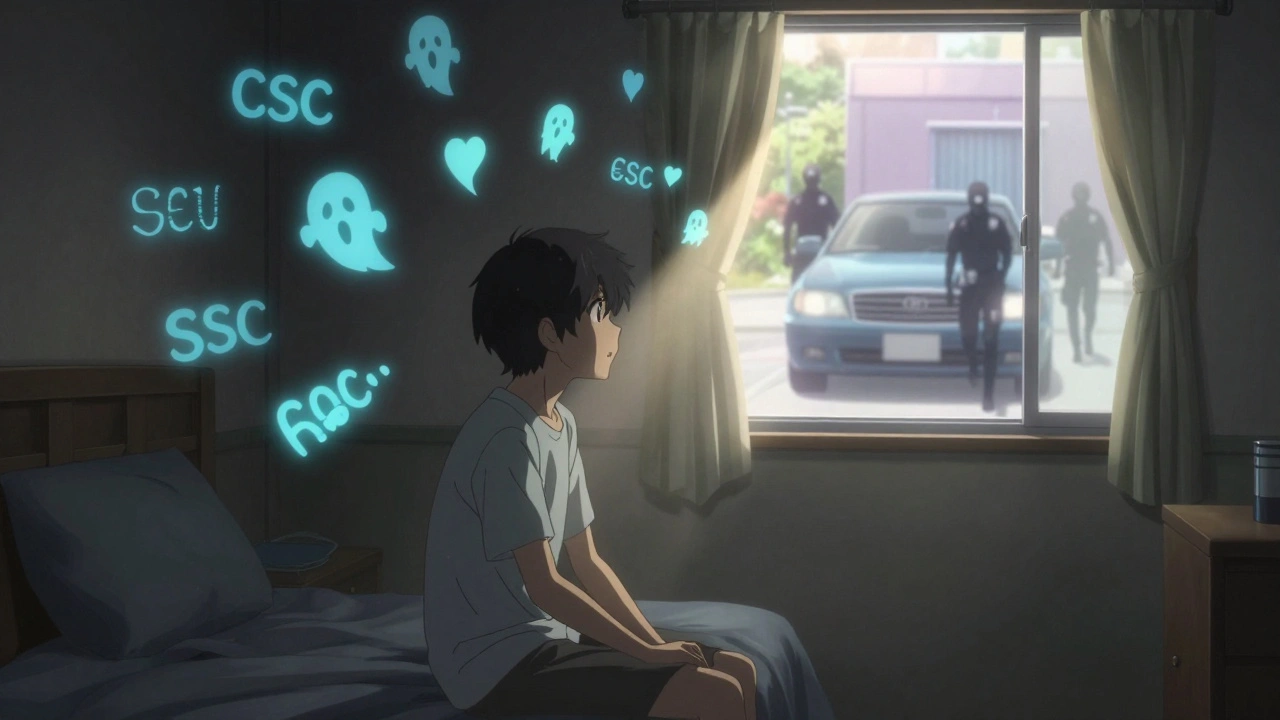
First-Episode Psychosis: Why Early Intervention and Family Support Save Lives
First-episode psychosis is treatable - but only if caught early. Learn how coordinated specialty care and family support can restore lives, reduce relapse, and help people return to school, work, and normal life.
Continue Reading