Medication Temperature Safety Calculator
Temperature Safety Calculator
Based on FDA guidelines for temperature-sensitive medications
Why Mail-Order Pharmacy Safety Isn’t Just About Getting Your Pills
Imagine this: you’re managing a chronic condition like diabetes or multiple sclerosis. Your life depends on your medication arriving on time, at the right temperature, and untouched. You don’t just want your prescription delivered-you need it to be safe. Mail-order pharmacies promise convenience and savings, but behind the door of that package is a complex system that can make or break your health. If your insulin arrives warm, your antibiotic loses potency, or your refill is delayed by a week, the consequences aren’t theoretical-they’re life-threatening.
Temperature Control: The Silent Killer in Your Mailbox
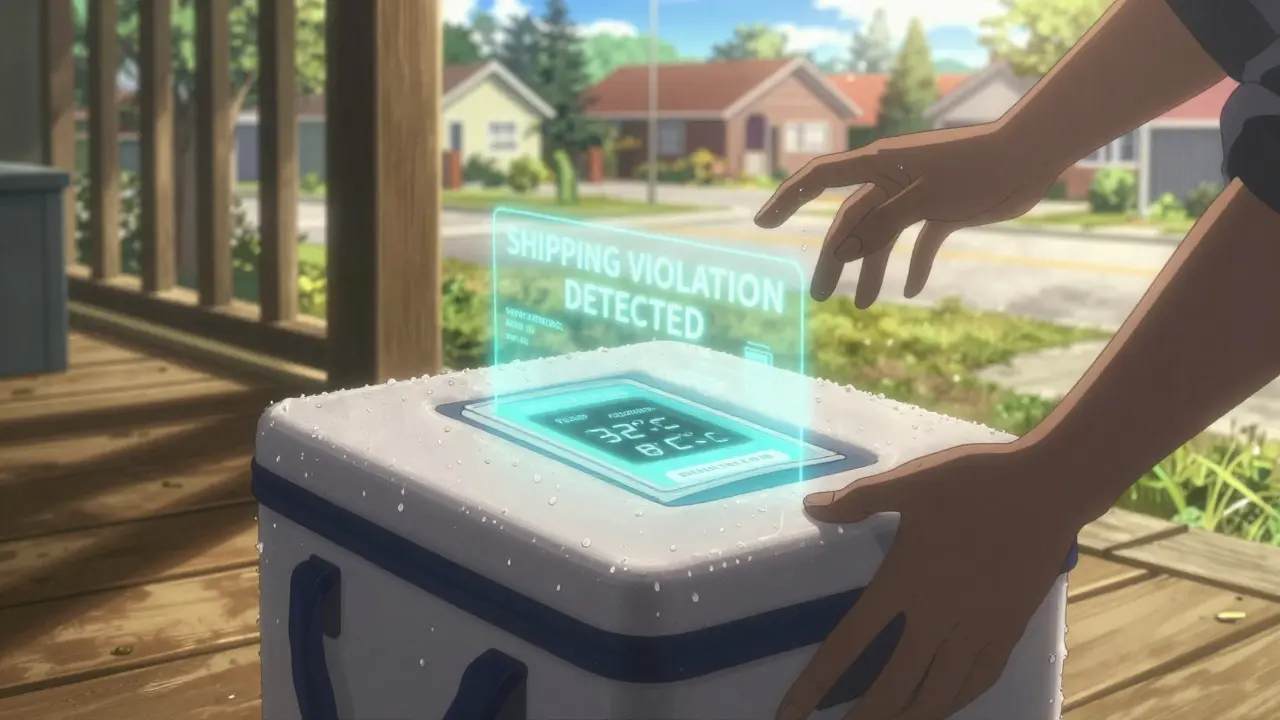
Not all medications are created equal. Some, like insulin, biologics, and certain antibiotics, need to stay between 2°C and 8°C (36°F to 46°F) from the moment they leave the pharmacy until they reach your hands. That’s refrigerator temperature. If a package sits in a hot delivery truck for hours, or gets left on a porch in July, the drug can degrade. The FDA warns that even brief exposure to extreme heat or cold can make these drugs ineffective. You might not notice anything wrong-until your blood sugar spikes or your infection doesn’t clear.
Reputable mail-order pharmacies use insulated shipping containers with gel packs or phase-change materials to maintain that cold chain. Some now include real-time temperature sensors that log data during transit. If the temperature goes outside the safe range, the system alerts the pharmacy before the package even leaves the warehouse. In 2023, industry data showed about 3.2% of temperature-sensitive shipments had excursions-meaning nearly 1 in 30 packages didn’t stay within range. That’s unacceptable for life-saving meds.
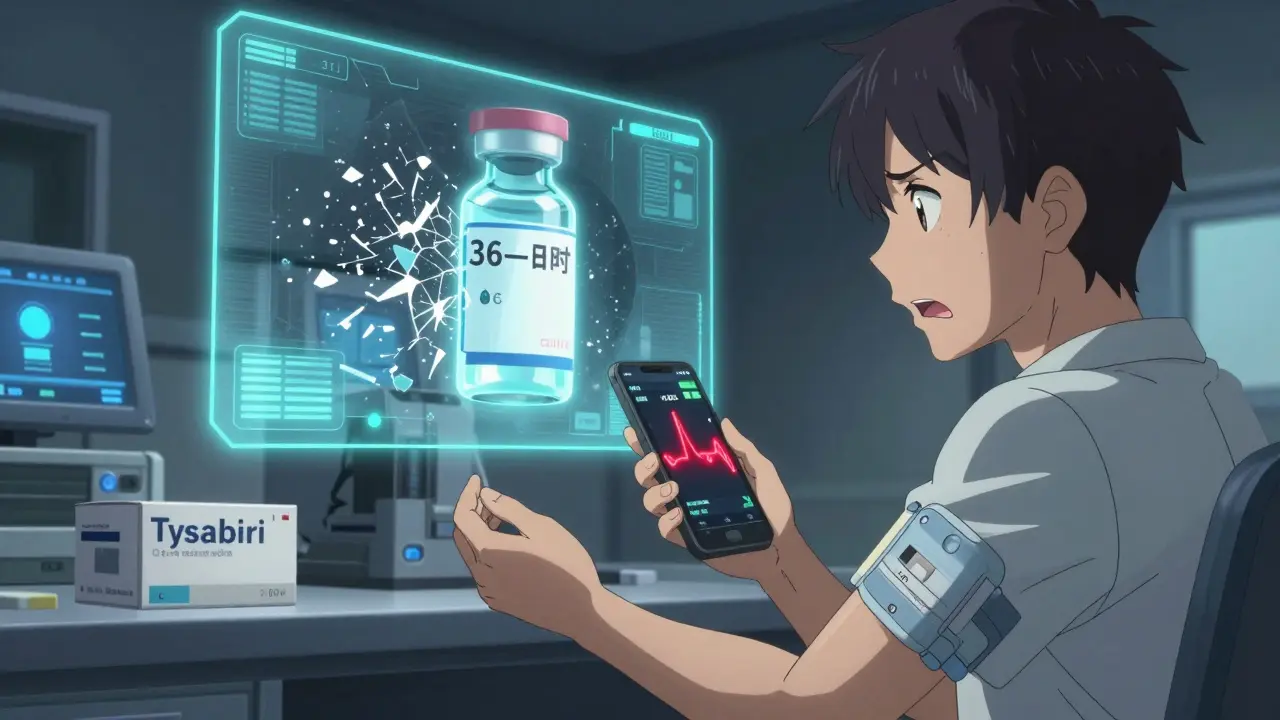
One Reddit user in May 2024 shared how their insulin vial arrived warm after a summer delivery. Another, with multiple sclerosis, credited their pharmacy’s real-time tracking system for catching a 36-hour temperature spike in their Tysabri shipment. The drug was quarantined, and a replacement was sent immediately. That’s the difference between a warning label and a safety net.
Timing: Don’t Wait Until You’re Out
One of the biggest mistakes patients make? Waiting until their last pill is gone before ordering a refill. Mail-order isn’t like walking to your local pharmacy. It takes time. Most plans require you to order at least two weeks before you run out. Medicare Part D even requires pharmacies to confirm with you or your caregiver before shipping a new prescription. Skipping this step can leave you without meds for days-or worse, weeks.
GoodRx’s 2024 guide found that 22% of mail-order users had at least one delayed delivery in the past year. For someone on blood thinners, heart meds, or seizure drugs, that delay isn’t just inconvenient-it’s dangerous. A 2024 JMCP study showed that early adopters of AI-driven delivery prediction tools reduced medication access issues by 28%. These systems analyze weather, carrier delays, and even local traffic patterns to flag potential problems before they happen.
Set calendar reminders. Link your refill alerts to your phone. If your pharmacy offers automatic refills (and most do), turn them on. But don’t assume they’re flawless. Check your delivery status. If your package hasn’t moved in three days, call the pharmacy. Don’t wait.
Tracking: Know Where Your Meds Are at All Times
Tracking isn’t just about seeing where your package is on a map. It’s about accountability. Every step-from when the pharmacy dispenses your pills, to when the carrier scans it, to when it’s delivered-should be logged. Tamper-evident packaging is required by law for all prescription shipments. That means if someone opened your box, you’ll know.
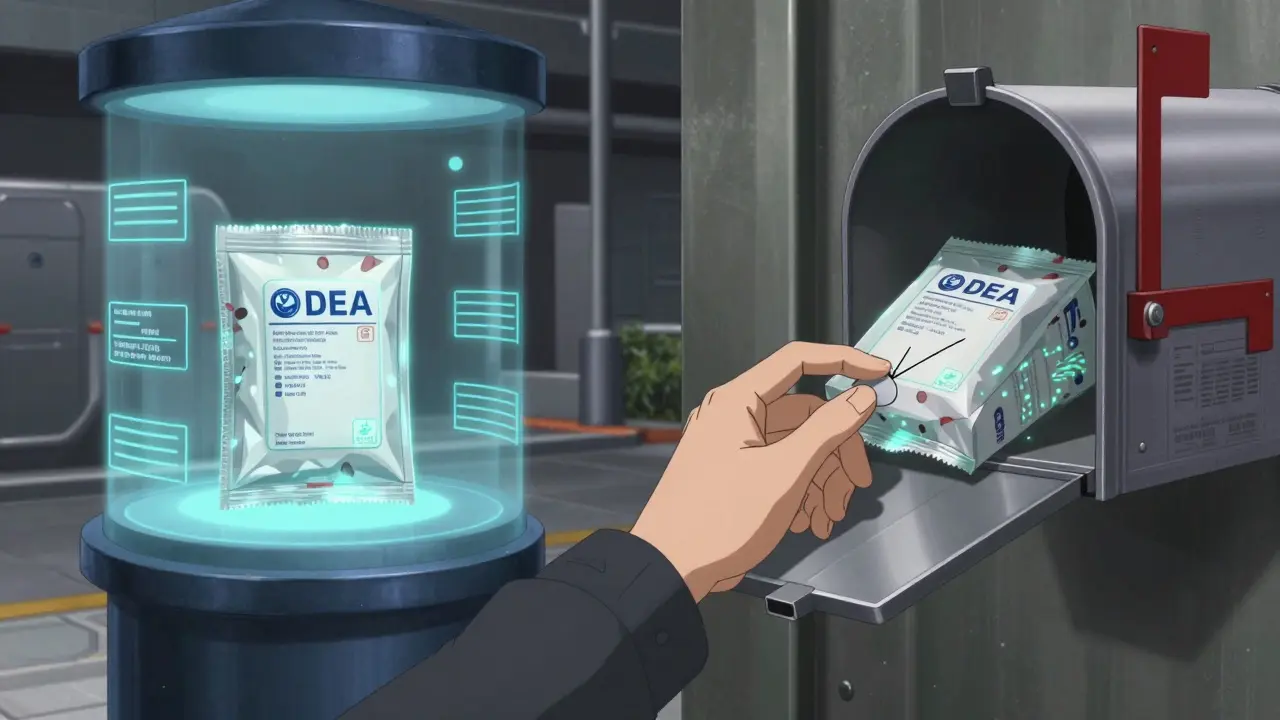
Controlled substances like opioids or ADHD meds have even stricter rules under DEA regulations (21 CFR Part 1304). They require direct signature upon delivery and cannot be left at your door. In 2024, the DEA found that 13% of inspected mail-order pharmacies failed to maintain proper temperature logs for controlled substances. That’s not a glitch-it’s a violation.
Look for pharmacies that offer real-time tracking with notifications. Some now use IoT-enabled packaging that sends location and temperature updates every hour. Pitney Bowes’ PitneyShip software, launched in 2024, cuts labeling errors by 33% and boosts address verification to 99.2%. That means fewer packages sent to the wrong house.
And don’t ignore package theft. About 0.7% of mail-order deliveries are stolen-low, but still a risk. If you’re not home, ask for delivery to a secure location. Some pharmacies partner with lockers or local pharmacies for pickup. If your medication is high-risk, don’t take chances.
Who’s Safe? Who’s Not?
Not all online pharmacies are created equal. The FDA says a legitimate mail-order pharmacy must:
- Require a valid prescription from your doctor
- Have a licensed pharmacist on staff
- Provide a physical U.S. address and phone number
- Be licensed in your state
Stick with the big players: Express Scripts, OptumRx, and CVS Caremark. Together, they handle 78% of the U.S. mail-order market. These companies invest heavily in compliance, tracking, and temperature control because they’re regulated, audited, and accountable.
Avoid websites that sell meds without a prescription, offer “discounts” that seem too good to be true, or don’t list a physical address. The NABP’s Verified Internet Pharmacy Practice Sites (VIPPS) program certifies safe online pharmacies. Check their list before ordering.
What You Can Do to Protect Yourself
Here’s a simple checklist to stay safe:
- Always order refills at least two weeks before running out.
- Confirm your pharmacy uses cold-chain packaging for temperature-sensitive drugs.
- Sign up for real-time tracking and delivery alerts.
- Inspect your package immediately upon arrival. Is the seal broken? Is the box warm?
- Store your meds properly as soon as you get them.
- Report any damaged, delayed, or suspicious shipments to your pharmacy and the FDA.
If you’re on insulin, biologics, or other sensitive meds, ask your pharmacy for a temperature log with each shipment. You have the right to see it.
The Future Is Smarter-But You Still Need to Be Vigilant
The industry is changing. By 2026, the DEA will require blockchain-based tracking for all controlled substances shipped via mail-order. New IoT packaging will cut temperature excursions by 60% and delays by 45%. AI will predict when your meds might get stuck in transit and send you a heads-up.
But technology alone won’t save you. You’re the last line of defense. If your meds look wrong, feel wrong, or arrive late-don’t take them. Call your pharmacy. Contact the FDA. Ask for a replacement. Your health isn’t a package to be ignored.
Is Mail-Order Right for You?
For maintenance medications-drugs you take daily for conditions like high blood pressure, diabetes, or asthma-mail-order is often the safest, cheapest option. Studies show 8-10% higher adherence rates compared to retail pharmacies. You save money, reduce trips to the pharmacy, and get consistent refills.
But if you need quick access to new prescriptions, antibiotics, or emergency meds, stick with your local pharmacy. Mail-order isn’t built for urgency. It’s built for reliability. Use it for what it’s best at.
Final Thought: Safety Is a Shared Responsibility
Pharmacies, carriers, and regulators all play a role. But you’re the one who takes the pill. You’re the one who notices if something’s off. Don’t assume everything’s fine. Check. Confirm. Ask. Your life depends on it.



13 Comments
Nina Stacey
December 19, 2025i just got my insulin delivered last week and the box was warm to the touch but i didnt think much of it until i checked the vial and it looked cloudy like it had been cooked 😅 i called the pharmacy and they were like oh we had a delay in texas but we'll send a new one no charge. still scared to use it though. thanks for this post.
Dominic Suyo
December 20, 2025this is the kind of content that makes me want to scream into the void. cold chain logistics for life-saving meds? yeah sure, in a perfect world. but the reality? packages get tossed around like grocery bags in a hurricane. i’ve seen insulin boxes left on porches in 95-degree heat. and the pharmacies? they’ll send you a ‘sorry’ email and a coupon for 10% off your next order. laughable. this isn’t convenience-it’s a gamble with your life.
Kevin Motta Top
December 21, 2025i’ve been on mail-order for 5 years. only had one bad delivery. called them, got a replacement same day. the tracking system showed the box was in a warehouse for 18 hours past the expected time. they flagged it. no drama. just good systems.
Alisa Silvia Bila
December 21, 2025i think the real issue is how little people know about this stuff. i didn’t even know insulin needed refrigeration until i read this. maybe pharmacies should include a one-pager with every shipment? like, ‘hey, if this feels warm, don’t use it.’ simple. free. life-saving.
William Liu
December 22, 2025i used to think mail-order was just for lazy people. now i see it’s the only way to keep my meds consistent without driving across town every month. the system works if you stay on top of it. don’t wait until you’re out.
Aadil Munshi
December 23, 2025ah yes, the classic american healthcare paradox: you pay more for convenience, but get less accountability. the real villain here isn’t the delivery driver-it’s the profit-driven system that treats meds like amazon packages. blockchain tracking? cute. but until we fix the root issue-pharma pricing and insurance hoops-we’re just polishing the coffin.
Danielle Stewart
December 24, 2025i run a support group for diabetics and this post is gold. i printed it out and handed it to everyone last week. one lady didn’t know her Tysabri had to stay cold. she’d been leaving it on the counter. we’re all learning. thank you for making this clear.
mary lizardo
December 24, 2025The FDA’s 3.2% excursion rate is statistically insignificant only if one ignores the human cost. Each percentage point represents a patient who may have suffered irreversible harm. This is not a logistical oversight-it is a systemic failure of regulatory enforcement. One must ask: who is liable when a vial degrades due to negligence?
jessica .
December 26, 2025you know who’s behind this? the big pharma bots. they want you dependent on mail-order so they can control your supply. why do you think they push ‘automatic refills’? they’re tracking you. they’re watching your habits. next thing you know, your meds get ‘delayed’ because you talked to a senator about drug prices. this isn’t safety-it’s control.
Ryan van Leent
December 28, 2025why do we even trust these companies anymore? i got my blood pressure med delivered and the seal was broken. i called and they said oh we had a shipment issue. no apology no explanation. just send you a new one. they dont care. theyre just here to make money
Sajith Shams
December 29, 2025you think this is bad? wait till you try getting meds from India. i’ve ordered from 3 different sites. one shipped me a pill that looked like a Tic Tac. another sent me a box labeled ‘vitamin C’ but inside was metformin. the labels were in Hindi. i didn’t realize until i took it. i survived. but i almost didn’t. don’t trust anyone outside the big 3.
Adrienne Dagg
December 30, 2025i love that some pharmacies now send temperature logs with every shipment 🥹 i cried when mine showed the insulin stayed at 5°C the whole time. it’s the little things that make you feel safe. thank you for reminding us to care about the details 💙
James Stearns
December 31, 2025The preceding commentary, while emotionally charged, fails to address the structural imperatives of regulatory compliance. One must recognize that the 3.2% temperature excursion rate is within industry benchmarks established by the CDC and ISMP. To characterize this as a systemic failure is not only hyperbolic, but demonstrably misleading. The inclusion of IoT monitoring, real-time alerts, and FDA-compliant cold-chain packaging represents a paradigm shift in pharmaceutical logistics. To dismiss these advancements as ‘polishing the coffin’ is to ignore the tangible reduction in morbidity and mortality over the past five years. One does not solve a complex logistical challenge with outrage alone.