Child Medication Safety: What Parents Need to Know to Prevent Mistakes
When it comes to child medication safety, the practice of giving medicines to children in the right amount, at the right time, and without harmful combinations. Also known as pediatric drug safety, it’s not just about following the label—it’s about understanding how a child’s body reacts differently than an adult’s. Kids aren’t small adults. Their kidneys and liver process drugs slower. Their weight changes fast. A dose that’s perfect today might be too much next month. One wrong teaspoon of cough syrup, one mix-up with adult pills, and you could be in the ER.
That’s why pediatric drug dosing, the precise calculation of medicine amounts based on a child’s weight and age is non-negotiable. Liquid medicines come with syringes for a reason—measuring spoons are unreliable. If the bottle says "5 mL per 10 kg," don’t guess. Weigh your child. Use the syringe. And never use a kitchen spoon. medication errors in children, mistakes like giving the wrong drug, wrong dose, or wrong timing are the leading cause of preventable harm in pediatric care. A 2021 study in Pediatrics found that nearly 1 in 5 parents made at least one dosing mistake in the past year. Most weren’t careless—they were tired, rushed, or confused by unclear instructions.
child-safe medicines, formulations designed specifically for kids with safe ingredients, flavors, and packaging aren’t always easy to find. Some OTC cough syrups still contain alcohol or dextromethorphan, which can be dangerous for toddlers. Even "natural" remedies like echinacea or melatonin aren’t proven safe for young kids. And don’t assume that because a drug is approved for adults, it’s okay for children. Many common drugs, like certain antibiotics and anti-inflammatories, carry hidden risks for kids. drug interactions in kids, when two or more medications react in harmful ways in a child’s body are especially tricky. A cold medicine with antihistamines plus an ADHD pill? That combo can spike heart rate. A vitamin with iron plus an antibiotic? That can block absorption. Parents often don’t realize these risks because labels don’t warn them clearly.
Knowing what to avoid is half the battle. Keep all meds locked up. Use one pharmacy so your child’s whole med history is tracked. Always check with your pediatrician before mixing anything—even vitamins. And if you’re ever unsure, call. It’s better to waste 10 minutes on the phone than risk an emergency room visit.
Below, you’ll find real, practical advice from doctors and pharmacists on how to spot red flags, read labels correctly, and protect your child from avoidable harm. No fluff. No guesswork. Just what works.
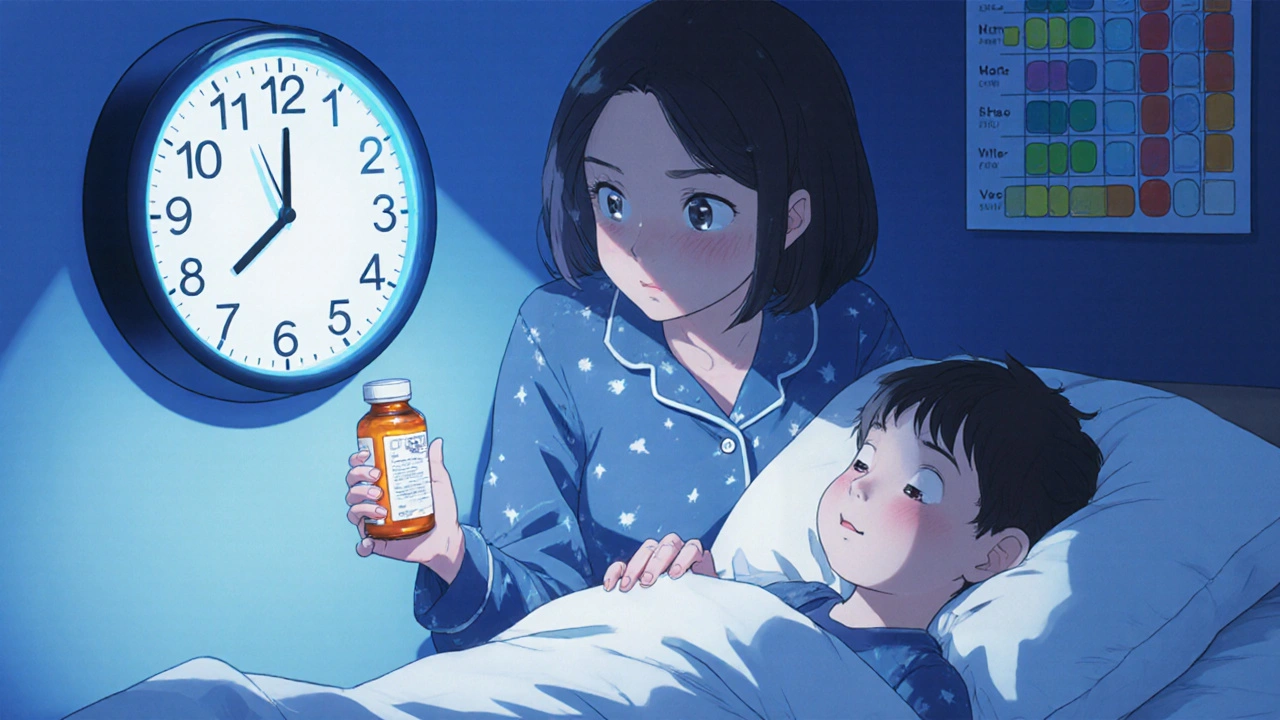
How to Handle Missed Pediatric Medication Doses Safely
Learn how to safely handle missed pediatric medication doses without doubling up. Follow time-based rules, avoid common mistakes, and know when to call for help.
Continue Reading