Antidote: What It Is, How It Works, and When You Need One
When something toxic enters your body—whether it’s a medicine taken by mistake, a chemical spill, or an accidental overdose—an antidote, a substance that counteracts the harmful effects of a poison or drug. Also known as a reversal agent, it doesn’t just mask symptoms—it stops the damage at the source. Think of it like a key that undoes a lock: naloxone unlocks opioid receptors blocked by heroin or fentanyl, and acetylcysteine repairs liver cells destroyed by too much acetaminophen. These aren’t just hospital secrets—they’re life-saving tools that work fast, often in minutes.
Not every poison has a direct antidote, but when one exists, timing is everything. For example, if someone overdoses on benzodiazepines like Xanax or Valium, flumazenil can reverse sedation—but only if given before breathing slows too much. Similarly, in cases of heavy metal poisoning like lead or arsenic, chelating agents like EDTA bind to the metal and flush it out through urine. Even something as simple as activated charcoal can act like a sponge, trapping toxins in the gut before they enter the bloodstream. These aren’t all the same kind of antidote. Some block receptors, some bind chemicals, some boost the body’s own cleanup systems. And they’re not interchangeable. Giving the wrong one can make things worse.
Most people never need an antidote. But if you’re on lithium, taking SSRIs, or using pain meds regularly, you’re already in a group where interactions can turn dangerous. Lithium toxicity from NSAIDs or dehydration? That’s a situation where dialysis and careful fluid management become the antidote. Serotonin syndrome from mixing St. John’s Wort with an SSRI? That’s when benzodiazepines and cyproheptadine step in. The real danger isn’t just the poison—it’s not recognizing the signs early enough. Dizziness, confusion, nausea, or a sudden change in heart rate could mean your body is screaming for help. Knowing what antidotes exist isn’t about fear—it’s about being prepared. And that’s why the posts below cover exactly that: the hidden risks, the real-world cases, and the medications that can turn a crisis around. You’ll find stories of people who made it because someone knew what to do—and what not to do.
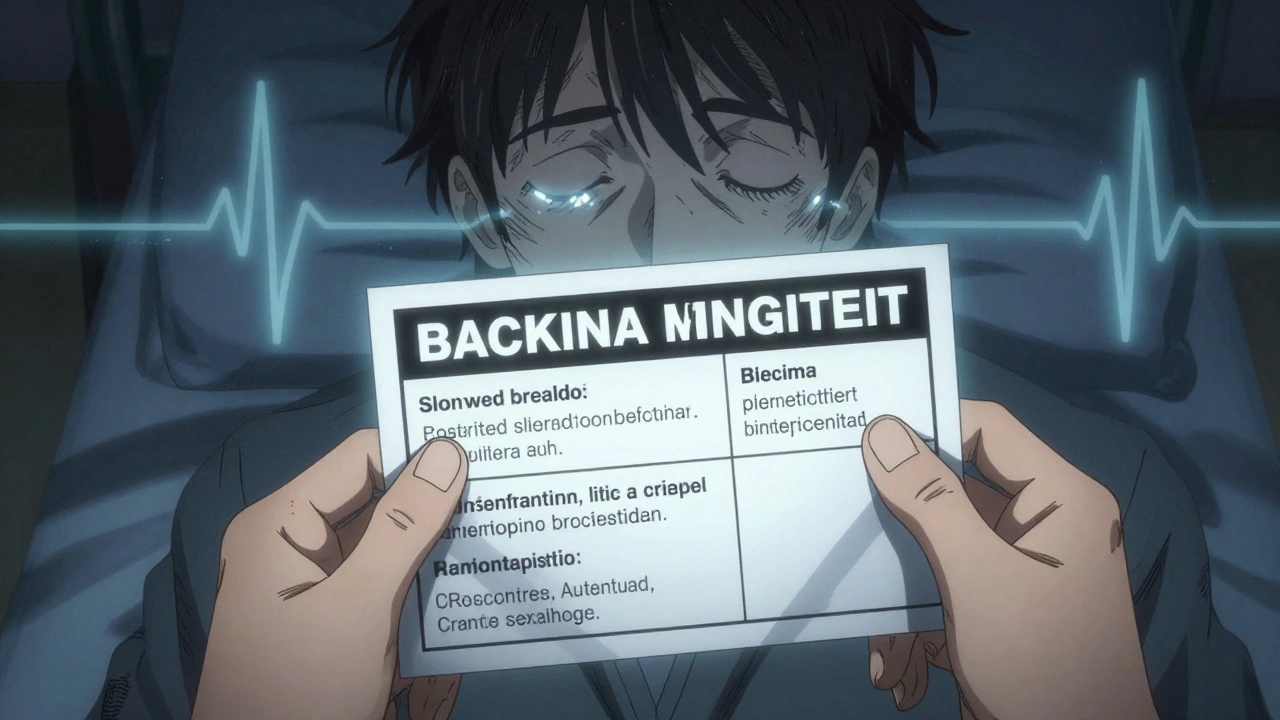
How to Read Medication Guides for Overdose Warnings and Antidotes
Learn how to read your medication guide to spot overdose warnings and antidotes before it's too late. Know where to look for life-saving info on prescription labels and what to do if you take too much.
Continue Reading