
Telepharmacy Safety Calculator
Input Your Pharmacy Setting
Your Estimated Safety Impact
Important Note: Based on 2021 Pathak review data showing telepharmacy reduces medication errors by 15-20%.
States with telepharmacy policies saw 4.5% reduction in pharmacy deserts within one year.
Imagine you live in a rural town where the nearest pharmacy is two hours away. You need to adjust your blood thinner dose. Instead of driving that far, you video chat with a pharmacist who reviews your records and approves the prescription. This is telepharmacy in action. Telepharmacy is a healthcare service that uses video technology and digital tools to let pharmacists provide medication management remotely. This includes checking prescriptions, counseling patients, and dispensing drugs through secure systems. Also known as remote pharmacy services, it was formally established as a distinct healthcare delivery model around 2010-2012 as states began implementing specific regulations.
How Telepharmacy Works
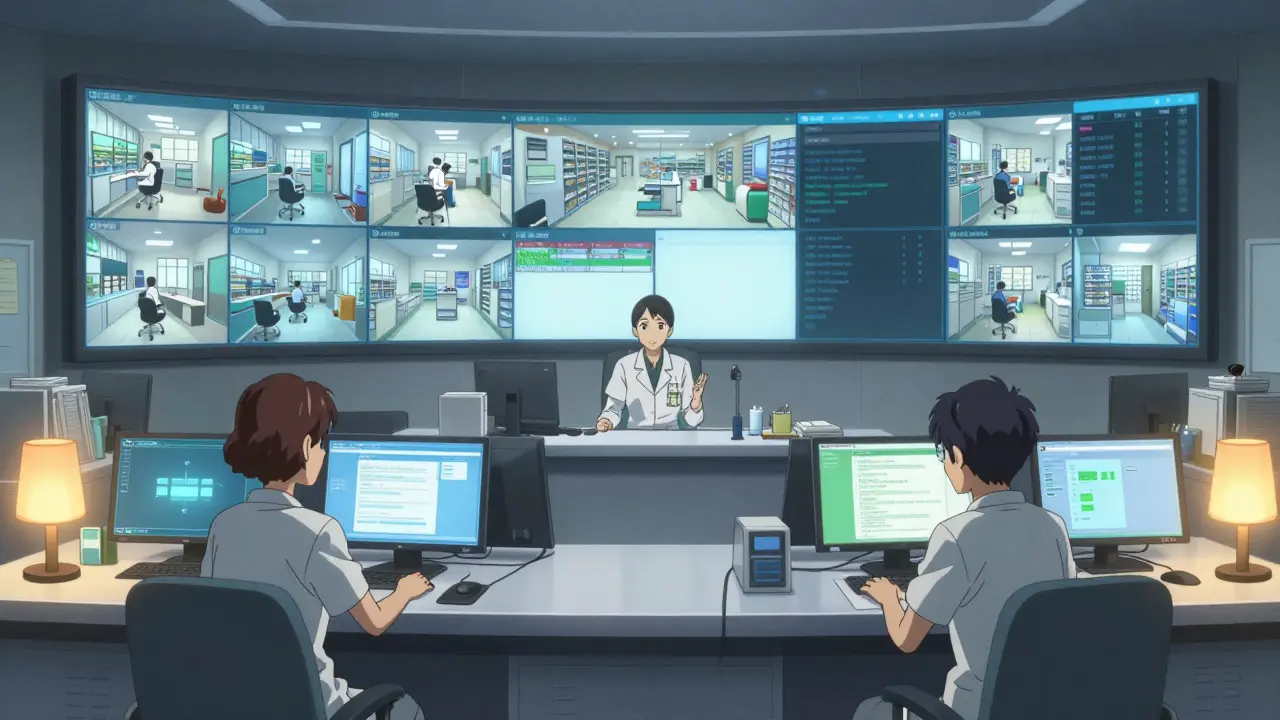
Telepharmacy operates through two main models. The hub-and-spoke system has a central pharmacy overseeing multiple remote sites. This setup is common in rural hospitals where a single pharmacist serves several clinics. The direct-to-patient model connects pharmacists directly with individuals through video calls without physical dispensing locations. Both models rely on specific technology: high-definition video equipment, secure electronic health record integration, and automated dispensing systems with remote verification capabilities.
Regulatory requirements vary by state but typically include minimum video resolution standards of 720p, secure data transmission protocols meeting HIPAA requirements, and redundant communication systems to ensure continuity of service. According to a 2023 study published in JAMA Network Open, these technical specifications are critical for maintaining safety standards in telepharmacy operations.
Safety Outcomes: What the Research Shows
A 2021 systematic review led by Dr. Shweta Pathak analyzed six studies on telepharmacy safety. The review found that telepharmacy reduced medication errors by 15-20% compared to traditional pharmacies. Dispensing accuracy rates for telepharmacy services ranged from 99.2% to 99.8%, very close to traditional pharmacies' 99.3% to 99.9% accuracy. However, the Pathak review also noted methodological limitations in these studies due to inconsistent error tracking across different sites.
Another study published in Telemedicine and e-Health in December 2021 tracked 3,782 patients over a year. It found that telepharmacy patients had a 12.9% increase in hospitalization rates compared to a 40.2% increase in non-telepharmacy groups. This suggests telepharmacy may help prevent serious health complications in certain cases.
States with pro-telepharmacy policies saw a 4.5% decrease in pharmacy deserts within one year, according to Urick's 2023 research. For example, North Dakota's telepharmacy program now serves 30 rural communities that previously had no pharmacy access. This is a significant step toward reducing healthcare disparities in remote areas.
| Metric | Telepharmacy | Traditional Pharmacy |
|---|---|---|
| Dispensing accuracy rate | 99.2% - 99.8% | 99.3% - 99.9% |
| Medication error rate | 0.2% - 0.8% | 0.1% - 0.7% |
| After-hours prescription approval time | 14-20 minutes | Varies by location |
| Reduction in pharmacy deserts | 4.5% decrease (state-level) | N/A |
Real-World Impact and Patient Experiences
Patients in rural communities often report high satisfaction with telepharmacy. A 2022 survey of 450 users found 76.4% were highly satisfied with service quality. One patient from rural Montana shared: "Being able to video chat with a pharmacist about my warfarin dosing without driving 2 hours has probably prevented at least two emergency room visits." But not all experiences are positive. A user in North Dakota reported a poor video connection caused a technician to miss their insulin allergy, leading to an adverse reaction.
Pharmacy technicians play a key role in telepharmacy operations. ASHP guidelines require 16-24 hours of specialized training for pharmacists and technicians. Sites with comprehensive training programs saw 22% fewer dispensing errors than those with minimal training. A South Dakota pharmacist interviewed anonymously noted: "We catch about 1.2 medication errors per 100 prescriptions through remote verification, which is comparable to traditional pharmacies."
Challenges and Limitations
Despite promising results, telepharmacy faces significant challenges. A 2022 National Community Pharmacists Association survey found 35% of telepharmacy sites struggle with maintaining secure video connections. Poor connectivity can lead to critical mistakes, like missing allergy information during consultations.
Dr. Jerry Fahrni, writing in the Journal of the American Pharmacists Association, cautions that "the absence of physical presence may limit the pharmacist's ability to detect non-verbal cues indicating potential medication misuse or adverse reactions." This is a safety concern not fully addressed in current literature.
The methodological quality of existing studies is also a concern. The Pathak review highlighted high risk of bias across all six studies due to non-randomized designs and selection bias. This makes it hard to draw definitive conclusions about telepharmacy's safety compared to traditional models.
Current Trends and Future Outlook
The global telepharmacy market grew from $1.87 billion in 2022 to a projected $6.84 billion by 2030. This growth is driven by policy changes and pandemic-related shifts in healthcare delivery. As of January 2023, 28 states have specific telepharmacy regulations, while 22 lack clear guidelines, creating a patchwork of rules across the U.S.
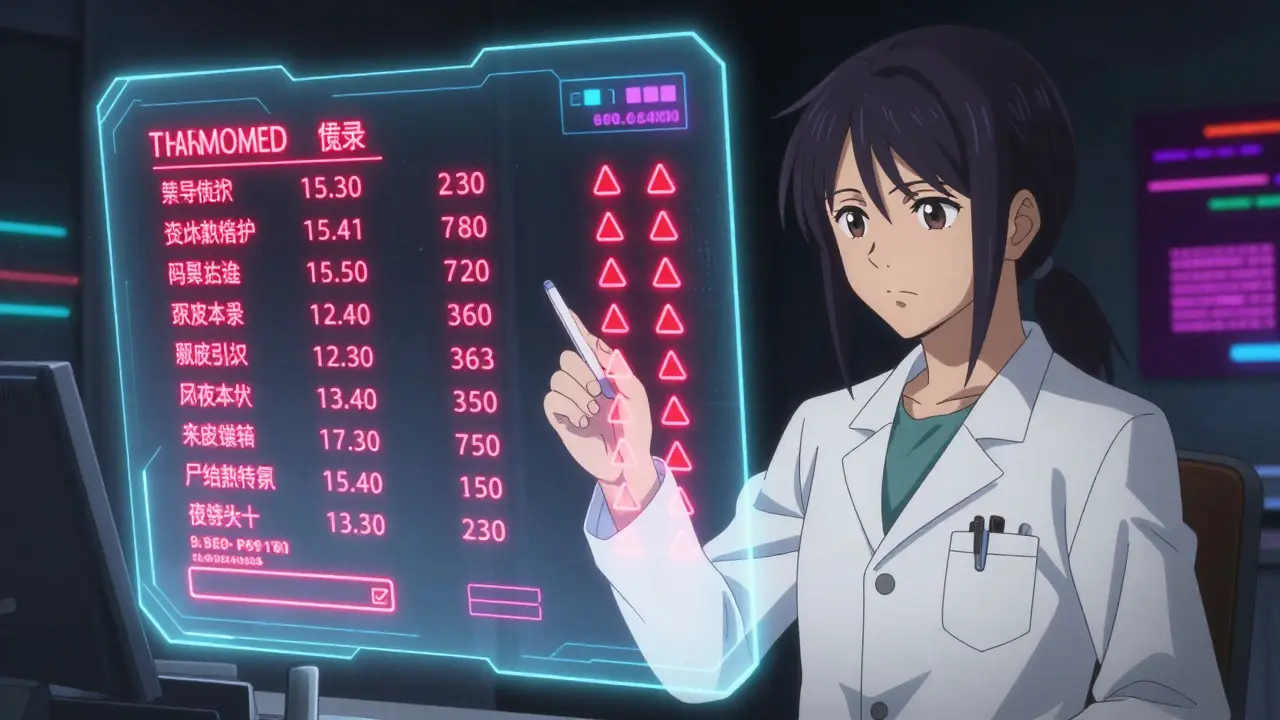
New developments are addressing safety concerns. The Patient-Centered Outcomes Research Institute awarded a $3.2 million grant in 2022 for a 3-year randomized controlled trial comparing telepharmacy and traditional pharmacy safety outcomes. The FDA's Sentinel Initiative launched a telepharmacy safety monitoring project in January 2023 to track adverse drug events specifically linked to remote services.
Artificial intelligence is also playing a role. Companies like MedsAI secured $22 million in funding to develop AI-powered tools that predict medication errors. Early trials show a 18.7% improvement in adverse drug event prediction. This technology is expected to become a standard part of telepharmacy safety protocols in the coming years.
Conclusion
Research shows telepharmacy can maintain medication safety standards while expanding access to care in underserved areas. However, the evidence is still evolving. Current studies have limitations, and challenges like connectivity issues and training gaps remain. As more rigorous research emerges and technology improves, telepharmacy has the potential to become a standard part of healthcare-especially for rural communities where pharmacy access has been a persistent problem.
Is telepharmacy safe for patients?
Current studies show telepharmacy maintains similar safety metrics to traditional pharmacies, with dispensing accuracy rates between 99.2% and 99.8%. However, the evidence base has limitations. Some studies have methodological issues, and challenges like poor video connections or lack of non-verbal cues can impact safety. Proper training and technology are critical for safe implementation.
How does telepharmacy reduce pharmacy deserts?
Telepharmacy expands access by allowing pharmacists to serve remote locations without physical pharmacies. States with pro-telepharmacy policies saw a 4.5% reduction in pharmacy deserts within one year. For example, North Dakota's program now serves 30 rural communities that previously had no pharmacy access. This helps ensure patients in underserved areas can get their medications without long drives.
What are the biggest challenges for telepharmacy safety?
The biggest challenges include inconsistent video connectivity (35% of sites report issues), lack of training for staff, and inability to detect non-verbal cues during consultations. Additionally, regulatory gaps exist since 22 U.S. states lack clear telepharmacy guidelines. These factors can lead to errors if not properly managed through protocols and technology.
Are there studies comparing telepharmacy to traditional pharmacies?
Yes, several studies have compared the two. The Pathak systematic review (2021) analyzed six studies and found telepharmacy reduced medication errors by 15-20% in some cases, with similar dispensing accuracy rates. However, the studies had methodological limitations. A 2023 JAMA study showed states with telepharmacy policies reduced pharmacy deserts by 4.5% within a year. Ongoing research like the PCORI-funded trial aims to provide more definitive evidence.
How is AI improving telepharmacy safety?
AI tools are being integrated into telepharmacy systems to predict medication errors and adverse events. For example, MedsAI's platform, which received $22 million in funding, has shown an 18.7% improvement in adverse drug event prediction in early trials. These tools analyze prescription data in real-time, flagging potential issues before they reach patients. This technology is expected to become a standard part of telepharmacy safety protocols in the coming years.

15 Comments
divya shetty
February 5, 2026Telepharmacy's expansion without uniform regulatory standards across states creates a dangerous patchwork of care. Patient safety must not be compromised by inconsistent oversight, especially in rural communities where access is already limited.
States like North Dakota have shown success, but without federal guidelines, there's a risk of disparities. We need mandatory training for all staff and regular audits to ensure compliance.
Samantha Beye
February 6, 2026While telepharmacy offers great benefits, it's important to address the regulatory gaps. A phased approach with pilot programs could help identify best practices before full-scale implementation.
Arjun Paul
February 6, 2026The lack of standardized training protocols is a glaring oversight. Pharmacists and technicians must undergo rigorous certification to prevent errors. This isn't a minor issue-it's a fundamental flaw in the current system.
Carl Crista
February 6, 2026Pilot programs are a waste of time The real issue is corporate greed driving this Big Pharma wants to replace human pharmacists with AI They don't care about safety Just look at the funding sources for these studies
Diana Phe
February 6, 2026This is a threat to American healthcare sovereignty. Foreign companies are pushing telepharmacy to exploit our system. We need strict national regulations to protect our citizens from foreign influence.
Andre Shaw
February 7, 2026Wow, Diana, that's some wild conspiracy theory. Telepharmacy is actually expanding access for millions. It's not about foreign companies-it's about innovation. If anything, it's saving lives in rural areas where traditional pharmacies can't operate.
Jennifer Aronson
February 8, 2026Telepharmacy's role in bridging healthcare gaps is undeniable. In countries like India, remote consultations have been part of healthcare for years. The key is adapting these models to fit local contexts while maintaining safety standards.
Matthew Morales
February 9, 2026Totally agree! Especially in rural areas. Just need to make sure internet is reliabel. Also, maybe add some emojis to make it friendly 😊 but typos happen, sorry!
lance black
February 11, 2026Telepharmacy saves lives in rural areas.
Dina Santorelli
February 11, 2026Ugh, you're so naive. The tech is terrible. People get wrong meds all the time. And the 'reliable internet'? Most rural areas have spotty service. This is a disaster waiting to happen.
Cole Streeper
February 12, 2026Telepharmacy is a socialist plot to undermine American healthcare. Foreign governments are funding this to control our drug supply. We need to shut it down now.
Nancy Maneely
February 13, 2026OMG Cole you're so right! This is totally a foreign takeover! They're using telepharmacy to poison our kids. I saw a post on FB that said the FDA is in on it. We need to fight back!
Phoebe Norman
February 15, 2026the regulatory framework is inadequate for telepharmacy's complexities. without robust data security protocols and standardized error correction mechanisms the system is fundamentally flawed. patient safety is at risk due to insufficient oversight.
Bella Cullen
February 16, 2026yeah but like... what's the alternative? just saying it's flawed doesn't help. we need solutions not just complaints.
Albert Lua
February 18, 2026From a global perspective, telepharmacy models vary widely. In Japan, they use robots for dispensing, while in Europe, video consultations are standard. The key is adapting to cultural needs while keeping safety paramount.