
Generic Medication Excipient Risk Checker
Check Your Risk
How It Works
This tool assesses your risk of excipient-related side effects when switching to generic medications. Excipients are inactive ingredients that may cause reactions for sensitive individuals.
Key Insight: Even if the active ingredient is identical, different fillers and binders in generics can trigger reactions in sensitive patients. This is especially important for drugs with narrow therapeutic indices like levothyroxine and warfarin.
Recommended Action:
When you pick up a prescription, you might not think twice about whether it’s the brand-name drug or the generic version. After all, the label says the same thing: levodopa, warfarin, levothyroxine. The price is lower. The pill looks different. But what if that difference-something you can’t see or taste-is causing your nausea, dizziness, or worsening symptoms?
Same Active Ingredient, Different Hidden Ingredients
Brand-name drugs are the original versions developed by pharmaceutical companies. Once their patents expire, other companies can make copies called generics. By law, these generics must contain the exact same active ingredient, in the same strength and form-tablet, capsule, liquid-as the brand. The FDA requires them to be bioequivalent: meaning they deliver the drug into your bloodstream at nearly the same rate and amount. For most people, that’s enough. Around 92% of generic drugs work just as well as their brand-name counterparts, according to a 2022 JAMA study. But here’s the catch: the law doesn’t require the inactive ingredients to match. These are called excipients. They’re the fillers, binders, dyes, flavorings, and preservatives that help the pill hold its shape, dissolve at the right time, or look a certain way. A generic version of a drug might use cornstarch instead of lactose. It might use a different dye to avoid red coloring. It might use a slower-dissolving binder to make the pill easier to swallow. These changes seem harmless. But for some people, they’re not.When Excipients Trigger Reactions
Take lactose. It’s a common filler in pills. If you’re lactose intolerant, swallowing a generic thyroid pill that contains it can cause bloating, cramps, or diarrhea. That’s not the drug working too hard-it’s your gut reacting to the filler. One patient reported severe stomach pain after switching from a brand-name levothyroxine to a generic version. The only difference? The generic used lactose as a binder. The brand didn’t. Another example: croscarmellose sodium. It’s a disintegrant used to help pills break down in the stomach. One patient with a history of allergic reactions to this ingredient had a sudden rash and swelling after switching from a branded furosemide to a generic version. The active ingredient was identical. The excipient wasn’t. These aren’t rare cases. The American Autoimmune Related Diseases Association documented over 200 reports of excipient-related reactions between 2020 and 2023. Most involved lactose, gluten, dyes like FD&C Red 40, or preservatives like parabens. Patients with food allergies, celiac disease, or rare sensitivities are at higher risk.Narrow Therapeutic Index Drugs: Where Small Changes Matter
Not all medications are created equal when it comes to switching. Some drugs have what’s called a narrow therapeutic index. That means the difference between a dose that works and one that causes harm is tiny. Even a small change in how quickly the drug is absorbed can lead to serious problems. Drugs like warfarin (a blood thinner), levothyroxine (for thyroid disorders), and anti-epileptics like phenytoin fall into this category. For these, the FDA requires stricter bioequivalence standards-90% to 110% instead of the usual 80% to 125%. But even within that tighter range, differences in excipients can still matter. Parkinson’s patients know this well. Levodopa, the main treatment, needs to be absorbed quickly and consistently. A 2023 survey by the Michael J. Fox Foundation found that 18% of 5,247 patients reported worse symptoms after switching to a generic version. Many described sudden "off" periods-times when the medication stops working-along with increased tremors and stiffness. One Reddit user wrote: "I switched to generic Sinemet and couldn’t walk for three days. Went back to the brand, and within 24 hours, I was myself again." Why? Because the generic version used a different coating or binder that changed how fast the pill dissolved. The active ingredient was the same. But the timing? Not close enough.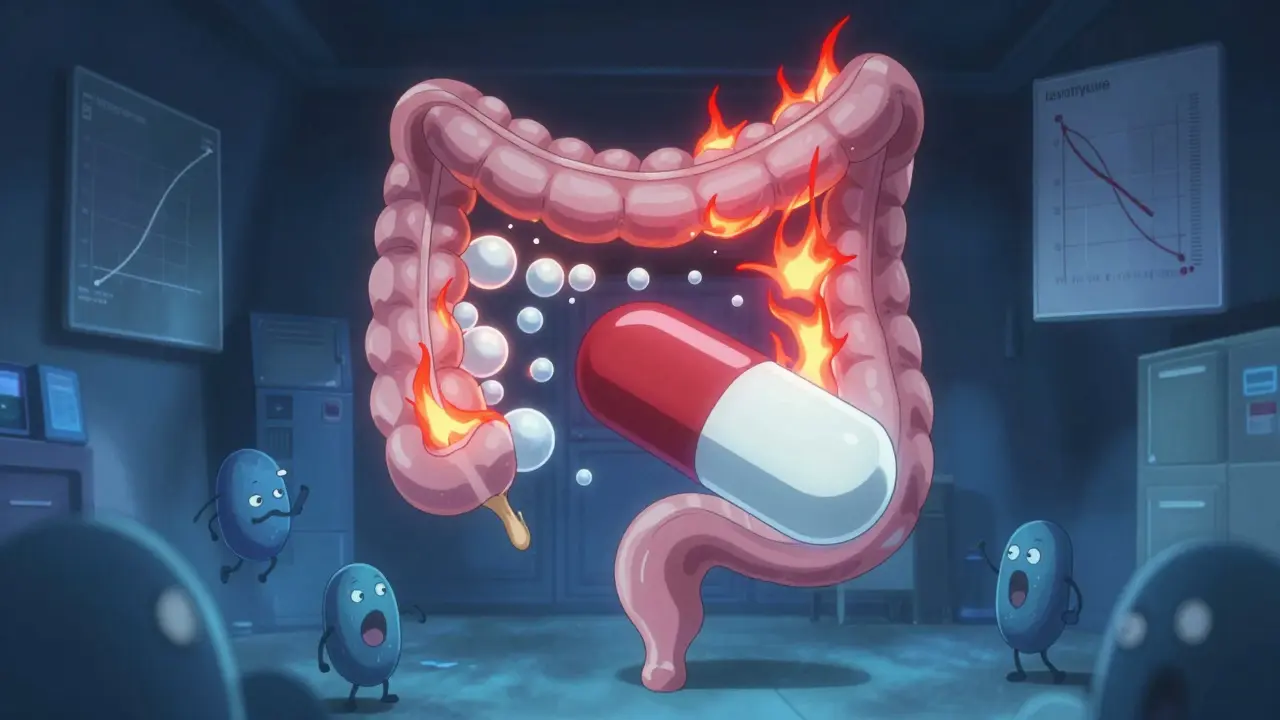
Who’s Most at Risk?
You’re more likely to have problems with generic medications if:- You take a drug with a narrow therapeutic index (warfarin, levothyroxine, cyclosporine, digoxin, etc.)
- You have known allergies or intolerances to common excipients like lactose, gluten, dyes, or sulfites
- You have gastrointestinal disorders like celiac disease, Crohn’s, or IBS
- You’ve had a bad reaction to a generic version before
- You’re elderly or have reduced kidney or liver function, which affects how your body processes drugs
What You Can Do
You don’t have to accept side effects just because a drug is cheaper. Here’s how to protect yourself:- Ask your pharmacist what excipients are in your generic medication. They have access to the full ingredient list, even if it’s not on the label.
- Keep a medication diary. Note when you switch brands or generics, and track any new symptoms-nausea, fatigue, rashes, changes in mood or movement.
- Request "dispense as written" on your prescription. That tells the pharmacy not to substitute the brand with a generic. Your doctor can write this in.
- Stick with the same generic manufacturer. Generic drugs made by the same company usually have the same excipients. Switching between different generic brands increases your risk of exposure to new fillers.
- Check the package insert. It’s often tucked inside the box. Look for "Inactive Ingredients"-that’s your excipient list.



9 Comments
Kacey Yates
January 29, 2026Generic levothyroxine gave me diarrhea for 3 weeks until I switched back. Lactose. Always check the insert. Pharmacies don't tell you. Your body isn't broken. The filler is.
Keith Oliver
January 31, 2026Oh wow. So we're now treating pharmaceutical excipients like some kind of artisanal ingredient selection? Next you'll tell me the color of the dye affects the placebo effect. I mean, sure, if you're allergic to cornstarch, fine. But 92% of people don't care. The real issue is the FDA's oversight is too lax on bioequivalence thresholds for NTI drugs, not whether your pill has a touch of FD&C Red 40. Let's fix the science, not the packaging.
Kristie Horst
January 31, 2026Keith, your tone is condescending, but your point about regulatory gaps is valid. Still, dismissing patient experiences as "just packaging" is dangerous. I'm a pharmacist. I've seen patients cry because their tremors returned after a switch. This isn't about elitism. It's about dignity. We need standardized excipient labeling. Not just a database. A mandatory, searchable, patient-facing one. And no, "check the insert" isn't enough when the insert is in 8pt font and buried in a box.
Doug Gray
February 1, 2026It's ironic, isn't it? We live in a world where we optimize for everything - sleep, macros, circadian rhythm - but when it comes to the literal chemicals we ingest to stay alive, we're told to just "trust the system." The system is a black box. And we're the guinea pigs. I mean, if your body is a temple, then your pill is a sacrificial offering with hidden ingredients. And we're supposed to be grateful it's cheaper? 🤔
Laia Freeman
February 1, 2026OMG YES. I switched generics for my seizure med and I felt like a zombie for a week. Like, my brain was foggy and my hands shook. I thought I was going crazy. Then I checked the label - different filler. Went back to the original generic brand. Boom. Back to normal. Why isn't this common knowledge?? Like, we need a Reddit thread for every drug with a list of which generics have which fillers. Someone make a spreadsheet. I'll donate.
rajaneesh s rajan
February 3, 2026Interesting how capitalism turns medicine into a game of Russian roulette with fillers. The real tragedy? The people who suffer are the ones least able to afford the brand-name version. So we punish the sick for being poor. Meanwhile, the generics industry makes billions selling the same active ingredient with different starch. 🤷♂️
Andy Steenberge
February 4, 2026Kacey and Kristie are right - this isn't about being anti-generic. It's about transparency. I've worked with patients with celiac disease who had to switch to brand-name meds because every generic had trace gluten from shared equipment. That's not a personal failure. It's a systemic failure. The FDA should require manufacturers to disclose excipient sourcing and cross-contamination risks. And pharmacies should be legally obligated to flag high-risk substitutions. This isn't fringe. It's basic patient safety.
Jasneet Minhas
February 6, 2026Wow, America! So much innovation, so much money, and still we are surprised that a pill’s color causes stomach pain? 😂 In India, we call this "first-world problem with generic side effects." But seriously - I have a cousin with thyroid issues. She switched generics and got hives. Took 3 months to find the right one. She now keeps a photo of the pill on her phone to show pharmacists. That’s the future. Not databases. Personal documentation. 📸💊
LOUIS YOUANES
February 8, 2026So let me get this straight - you're telling me that after decades of pharmaceutical innovation, the thing that's breaking people's bodies isn't the drug… it's the starch? That's not a medical problem. That's a corporate comedy. I'm not mad. I'm just disappointed. We could have had flying cars. Instead, we got pills with gluten that make people cry. 😔