Post-Herpetic Neuralgia: What It Is, How It Happens, and What Helps
When the post-herpetic neuralgia, a persistent nerve pain condition that follows an outbreak of shingles. Also known as PHN, it doesn’t just linger—it can dominate your life for months or even years. This isn’t a simple rash leftover. It’s damaged nerves sending false pain signals long after the virus has gone quiet. About 1 in 5 people who get shingles end up with this, and the risk climbs sharply after age 60. If you’ve had shingles and still feel burning, stabbing, or electric shocks in the same area weeks later, you’re likely dealing with post-herpetic neuralgia.
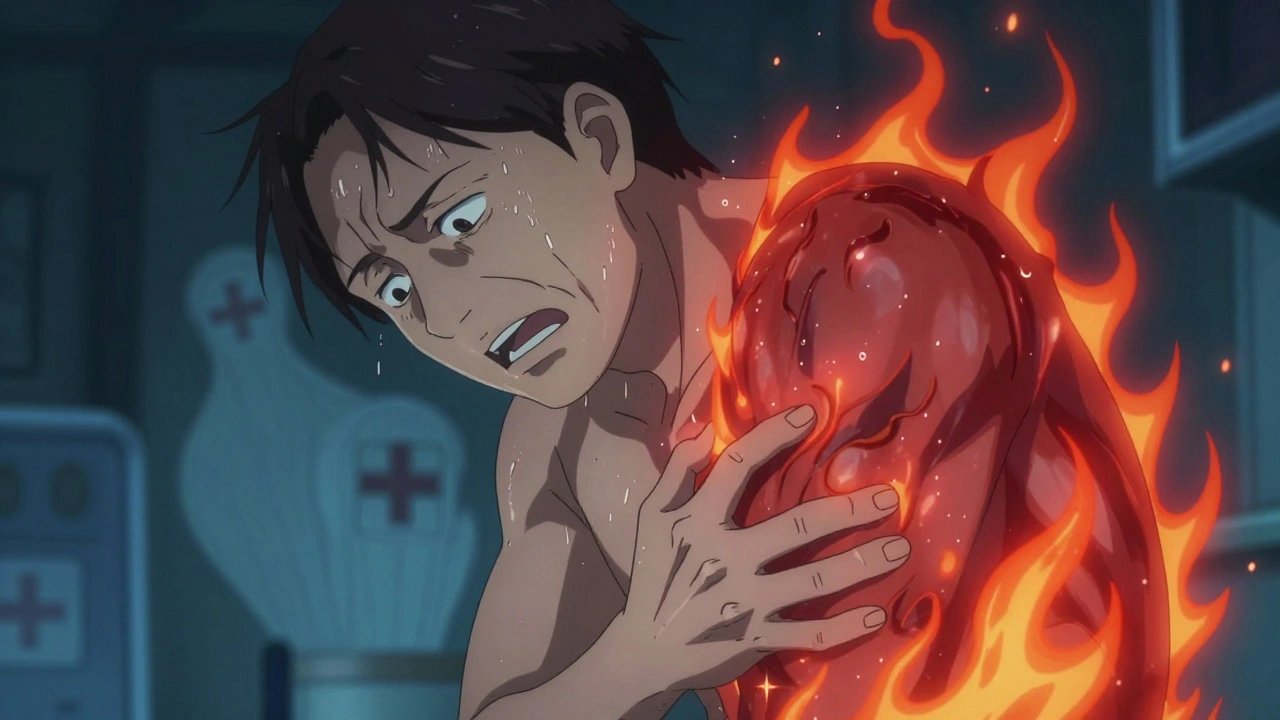
It starts with the herpes zoster, the virus that causes shingles. This is the same virus behind chickenpox. After you recover from chickenpox, it hides in your nerves. Years later, stress, aging, or a weakened immune system can wake it up. It travels along the nerve path, causing the painful shingles rash. But sometimes, even after the rash heals, the nerve doesn’t reset. That’s when nerve pain, a type of chronic pain caused by damaged or misfiring nerves takes over. Unlike regular soreness, this pain feels out of place—tingling where there’s no injury, burning in skin that looks normal. It’s not just discomfort. It can ruin sleep, make you avoid touch, and steal your focus at work or with family.
People often think it’ll fade on its own, and sometimes it does—but not always. The longer you wait, the harder it becomes to treat. Early intervention matters. Medications like gabapentin, lidocaine patches, or capsaicin creams can help. So can nerve blocks or physical therapy. It’s not about curing the virus—it’s about calming the nerves. And if you’re over 50, getting the shingles vaccine isn’t just about avoiding the rash—it’s one of the best ways to prevent post-herpetic neuralgia before it starts.
Below, you’ll find real-world insights from people who’ve lived with this pain, doctors who’ve treated it, and studies that show what actually works. You’ll see how certain drugs like corticosteroids are used (and why they’re not always the answer), how medication errors can make things worse, and why some treatments fail because they don’t target the root problem. This isn’t theory. These are the stories and facts that help people get back control of their days.
Shingles: Antiviral Treatment and Pain Management Guide
Shingles causes intense pain and blisters. Early antiviral treatment within 72 hours reduces severity and lowers risk of long-term nerve pain. Learn the best meds, pain relief options, and how to prevent complications.
Continue Reading