Lithium Interactions: What You Need to Know Before Taking It
When you take lithium, a mood-stabilizing medication primarily used for bipolar disorder. Also known as lithium carbonate, it works by balancing brain chemicals—but it doesn’t play well with everything else in your system. Even small changes in what you take alongside it can push lithium levels into dangerous territory. That’s why understanding drug interactions, how lithium reacts with other medications and supplements isn’t optional—it’s life-saving.
Lithium is cleared by your kidneys, so anything that affects how your kidneys work changes how much lithium stays in your blood. Common blood pressure meds like ACE inhibitors, drugs like lisinopril or enalapril that lower blood pressure can cause lithium to build up. So can NSAIDs like ibuprofen or naproxen, even if you only take them once in a while. Diuretics (water pills) are another big one—they make you pee more, which sounds helpful, but for lithium users, it can trigger a sudden spike in lithium levels. Your doctor should check your kidney function before you start and keep checking it regularly.
Then there’s your thyroid. Lithium can mess with thyroid hormone production, leading to hypothyroidism. That means fatigue, weight gain, and depression—symptoms that might look like your bipolar condition is getting worse. If you’re on lithium and feel unusually tired or cold, ask for a thyroid test. And don’t forget about serotonin syndrome, a rare but serious reaction caused by too much serotonin in the brain. While lithium itself doesn’t cause it, mixing it with SSRIs or SNRIs increases the risk. You might feel shaky, sweaty, confused, or get a fast heartbeat. If this happens, get help right away.
You also need to watch your salt and fluid intake. Going on a low-salt diet or sweating a lot during a workout can make your body hold onto lithium. Drink water normally—don’t overdo it, but don’t restrict it either. Alcohol? Skip it. It dehydrates you and makes lithium effects unpredictable. Even some herbal supplements like St. John’s Wort can interfere, and you might not even realize it’s a problem until your levels go off the charts.
There’s no one-size-fits-all rule here. What’s safe for one person might be risky for another. That’s why regular blood tests are non-negotiable. Your doctor needs to know your lithium level is in the sweet spot—too low and it doesn’t work; too high and you could end up in the hospital. If you’re switching meds, starting a new supplement, or even just changing your diet, tell your prescriber. Small changes matter.
The posts below cover real-world scenarios you might face: how to spot early signs of lithium toxicity, what to do if you accidentally take too much, how kidney or thyroid problems change your treatment plan, and why some doctors avoid prescribing it unless they’re sure you can stick to the monitoring schedule. You’ll find practical advice from people who’ve been there—no fluff, no jargon, just what you need to know to stay safe and in control.
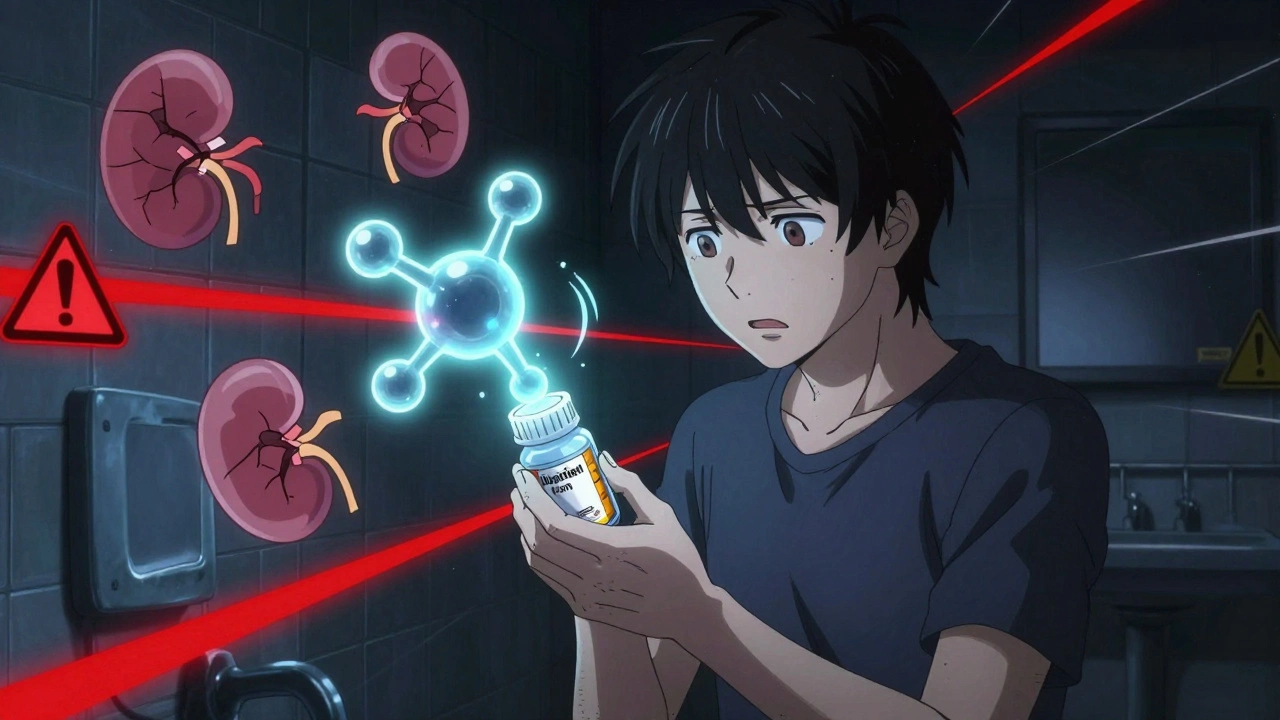
Lithium Interactions: NSAIDs, Diuretics, and Dehydration Risks
Lithium is a powerful mood stabilizer, but even small changes in NSAIDs, diuretics, or hydration can trigger dangerous toxicity. Learn how to avoid life-threatening interactions and stay safe while on treatment.
Continue Reading