
Missing a dose of your medication can feel like a small mistake, but the consequences add up fast. Globally, skipping pills costs healthcare systems anywhere from $100 to $300 billion every year according to World Health Organization data. Most people know this is a problem, yet sticking to a schedule remains one of the hardest parts of managing long-term health. That is where text message reminders come in. These simple digital tools promise to bridge the gap between knowing you need to take a pill and actually taking it. But does hitting send on your phone really change behavior, and how do you set one up that sticks?
The Science Behind Text Alerts
You might wonder if a beep on your screen is enough to change habits. The data suggests it often works, but the devil is in the details. In 2017, a major study published in JMIR mHealth looked at cardiac rehabilitation patients. They found that adding text reminders led to a 14.2 percentage point jump in adherence compared to usual care. Specifically, adherence rose from 80% to 94% of days covered over a year. Another systematic review in 2016 examined sixteen randomized trials involving adults with chronic diseases like epilepsy and heart conditions. Those receiving daily texts had more than double the odds of full adherence compared to those who did not.
However, we need to talk about the long game. A large-scale trial published in JAMA in 2023 followed nearly 9,500 patients across three US healthcare systems. Unlike earlier studies, this one tracked patients for a full 365 days. The researchers found that simple reminders lost their punch over time. While short-term boost was visible, refill adherence at the 12-month mark didn’t differ significantly between those getting texts and those who didn’t. This tells us that text messages alone aren’t a magic bullet forever. They work best as part of a broader plan, especially when combined with behavioral nudges rather than just a cold alarm.
Choosing Your Reminder Method
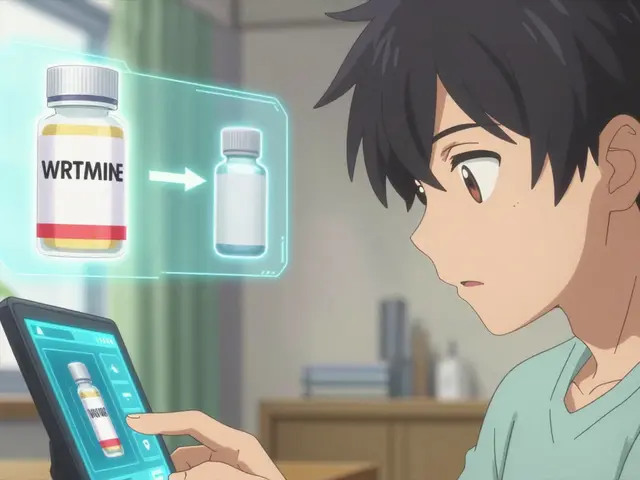
You generally have two paths when setting this up: dedicated apps or provider-integrated systems. Dedicated apps are something you control directly. For example, users on health forums have reported using apps like Medisafe to cut missed doses from 30% down to under 5% for blood pressure medications. These apps allow you to input your exact schedule and offer features like scanning barcodes for prescriptions. On the other hand, hospital-based systems pull data straight from your Electronic Health Records. A pilot study by the NIH showed that automating identification of refill gaps and sending behavioral nudge messages could increase refill rates. However, clinical systems require your doctor’s office to enable them, whereas apps are immediate.
- Dedicated Apps: Best for total control and granular customization.
- Clinical Systems: Best if your provider manages complex regimens and integrates refills automatically.
Configuring Timing and Frequency
If you download a reminder tool today, the most critical setting is timing. Research indicates that effectiveness drops by 35% if the reminder arrives more than two hours before or after your medication time. Ideally, you want the message to land right when you are ready to take the pill. Furthermore, you need to decide on frequency. For acute conditions or strict dosing schedules, daily messages are superior. The same 2016 systematic review noted that daily frequency worked best across most chronic disease studies. However, for maintenance therapy on stable chronic conditions, some patients prefer weekly check-ins to avoid annoyance.
Avoid spamming yourself. The 2023 study highlighted that message fatigue sets in quickly. If you get too many alerts, you start ignoring them entirely. About 23% of users discontinue reminder services after six months because the timing feels irrelevant or the volume is too high. Start with one message per dose, and adjust only if you find yourself forgetting frequently despite the alert. Keep the message content short. Standard Short Message Service protocols limit text length to 160 characters. If your notification gets cut off because it’s too long, it defeats the purpose of being clear.

Why Personalization Matters
Generic blasts rarely work as well as tailored advice. A meta-analysis cited in a 2021 NIH review confirmed that personalized messages produce significantly greater effects than generic ones. Instead of just “Take your pills,” try linking the reminder to your routine. Think: “Time to take BP meds after lunch.” Some advanced systems now analyze refill patterns to predict non-adherence risk. By 2027, analysts predict that 65% of health systems will incorporate predictive tools like this. For you, this means checking if your chosen service allows you to tag specific reasons for taking medicine or link it to daily events.
Effectiveness also varies wildly by condition. Studies show strong evidence for infectious diseases like HIV and tuberculosis, where adherence is time-critical and the regimen is intensive. In contrast, cardiovascular conditions showed mixed results in larger trials. Some reviews indicated that 80% of smaller studies were effective for heart disease, but the massive 2023 trial found no difference in refill rates for generic reminders. If you manage diabetes, asthma, or schizophrenia, text reminders have historically shown positive outcomes in clinical literature.
Privacy and Compliance Issues
When medical data meets mobile technology, privacy becomes non-negotiable. In the US, you need to ensure compliance with HIPAA regulations regarding how your health information is stored. Simple reminder apps often fall under low-risk digital health tools, which the FDA generally exempts from heavy regulation, but data security still matters. Be wary of free apps that might sell user data. Look for end-to-end encryption in communications. If you are opting into a program through your doctor, verify that the platform adheres to local data protection laws, such as GDPR in Europe. Trust is essential here; if you doubt the security, you are less likely to trust the service with your sensitive schedule.

Troubleshooting Common Failures
Sometimes the system works fine on paper, but real life gets in the way. You might lose signal, your phone battery dies, or you simply opt out mentally. The attrition rate for these programs is typically between 15% and 20% over six months. To prevent this, involve a support network. Ask a family member to receive secondary notifications if you miss a dose. Also, keep your medication accessible. If the alarm goes off at night but the pills are in another room, the reminder failed its goal regardless of technology. Finally, recognize the decay effect. Dr. Kevin Volpp, who led the 2023 JAMA study, noted that intervention effects fade over time. Plan to review your strategy every few months. Are you still engaging with the notifications? If not, switch methods or refresh your approach.
Next Steps for Implementation
Getting started doesn’t require a complex IT team. Download a reputable reminder application and input your current prescription list. Set the first notification for tomorrow morning. Ensure you have opted in to receive texts from your pharmacy or clinic if available. Monitor your own response rate for the first month. If you notice fatigue, space out the alerts. Remember that while digital tools are powerful, they are supportive aids. Regular check-ups with your provider remain crucial for adjusting dosages or changing treatments. By layering these digital reminders onto standard care, you build a safety net that protects your health day after day.
Do text reminders actually improve medication adherence?
Yes, they can significantly help. Studies show improvements ranging from 10% to over 30% depending on the condition. Daily reminders tend to be most effective, particularly for chronic conditions like HIV and asthma. However, effectiveness can drop over a year without updates.
Is there a limit to how many text reminders I should receive?
Yes, message fatigue is real. Users typically stop responding after 3 to 6 months if the volume is too high. Aim for one message per dose time. Avoid scheduling reminders more than two hours early or late.
Are medical text messages secure?
Security depends on the provider. Clinical systems usually comply with HIPAA or GDPR. Third-party apps vary, so check their privacy policy. Avoid apps that ask for unnecessary personal data beyond medication names.
Can I use this for my children’s medication?
Absolutely. Many parents find these tools helpful for managing pediatric dosing schedules. Just ensure the app accounts are secured and permissions are managed appropriately.
What if I change doctors or insurance?
If using a provider system, you may lose access. It is better to maintain your own independent tracking app so your records stay with you regardless of changes in your healthcare provider.



11 Comments
Victor Ortiz
April 2, 2026Honestly most of these studies are flawed because they don’t account for real-world variables. Compliance isn’t just about receiving a text-it’s about cognitive load, stress levels, socioeconomic factors. Researchers love clean data while patients deal with messy lives.
Their metrics are often self-reported too, which introduces massive bias.
Amber Armstrong
April 2, 2026When my dad started taking daily meds for hypertension, we tried every app imaginable. Medisafe was the game changer-his missed doses dropped dramatically. What worked best was syncing reminders with existing routines like brushing teeth.
We found that personalized messages like “Time for your morning pill after coffee!” felt less robotic than generic alerts.
Family support matters too. Having someone else check in makes the system feel less isolated.
Christopher Curcio
April 3, 2026From a pharmacokinetics perspective, adherence hinges on maintaining steady-state plasma concentrations. Text reminders optimize dosing windows but don’t address absorption variability or drug-drug interactions.
Electronic Health Record integration could mitigate polypharmacy risks yet lacks standardization across EMR platforms.
HIPAA-compliant SMS gateways remain underutilized due to interoperability challenges.
Angel Ahumada
April 3, 2026technology can’t fix broken systems people are the variable always ignored
reminders work until they dont life gets in the way priorities shift
real change requires systemic overhaul not digital band-aids
Kendell Callaway Mooney
April 4, 2026Start small-set one reminder for your most critical medication.
Incorporate medication times into daily rituals you already have.
Ask family members to enable secondary alerts for added accountability.
Track your success weekly to identify patterns.
Adjust frequency based on your natural forgetting habits.
Cultural preferences matter-some communities respond better to voice notes than text.
Share your progress with loved ones to build mutual support.
Apps with barcode scanning reduce input errors significantly.
Review permissions carefully before granting data access.
Schedule quarterly app audits to prevent notification fatigue.
Combine digital tools with traditional methods like pillboxes.
Stay consistent during travel or routine disruptions.
Keep backup phone chargers near common medication spots.
Celebrate monthly adherence milestones with yourself.
Digital aids are stepping stones-not replacements for holistic care.
dPhanen DhrubRaaj
April 5, 2026In rural India connectivity remains inconsistent thus SMS reliability varies
Local dialects in messages improve engagement compared english-only
Community health workers supplement tech solutions effectively
Vikash Ranjan
April 7, 2026Most people ignore texts anyway why waste time.
RONALD FOWLER
April 8, 2026Personalized reminders align better with individual routines.
I’ve seen neighbors succeed by linking doses to breakfast routines.
Simplicity beats complex apps for long-term adoption.
Biraju Shah
April 8, 2026Hospitals prioritize revenue streams over adherence programs.
Providers must integrate reminders into existing workflows.
Systemic neglect of chronic care requires structural intervention.
Patients deserve proactive support not reactive fixes.
Cameron Redic
April 9, 2026JAMA trial methodology questionable funding sources undisclosed.
Selective outcome reporting undermines validity.
Short-term gains fade without behavioral reinforcement mechanisms.
Study limitations warrant cautious interpretation rather than dismissal.
Real-world effectiveness differs from controlled environments.
Marwood Construction
April 11, 2026Implementation barriers persist across healthcare sectors.
Interoperability standards lag technological capabilities.
Provider incentives misaligned with preventive measures.
Data fragmentation hampers comprehensive adherence tracking.
Sustainable solutions require policy-driven ecosystem development.