Adverse Drug Reactions: What They Are, Who’s at Risk, and How to Spot Them
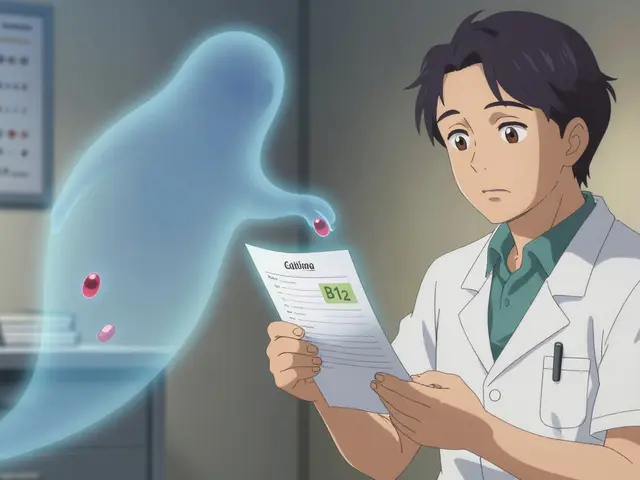
When you take a medication, you expect it to help—not hurt. But adverse drug reactions, unintended and harmful responses to medications at normal doses. Also known as drug side effects, they’re one of the leading causes of hospital visits and can happen to anyone, even if you’ve taken the drug before without issue. These aren’t just mild nausea or a dry mouth. Some can trigger kidney failure, dangerous heart rhythms, or even fatal allergic responses. The truth? Many people don’t realize they’re having one until it’s too late.
Adverse drug reactions don’t happen in a vacuum. They’re often tied to drug interactions, when two or more medications clash in your body. For example, mixing St. John’s Wort with an SSRI can cause serotonin syndrome—a condition that spikes body temperature, causes seizures, and can be deadly. Or take trimethoprim, found in common antibiotics like Bactrim: it can push potassium levels into dangerous territory, especially in older adults or those on blood pressure meds. These aren’t rare cases. They’re documented, preventable, and often missed because symptoms look like something else—like fatigue, dizziness, or a simple stomach bug. And then there’s allergic drug reactions, immune system overreactions to medications. These can show up as rashes, swelling, or trouble breathing, and they don’t always happen on first use. Sometimes it takes three or four times before your body says, "Enough." Even something as simple as a steroid nasal spray like mometasone can become risky if you’re also taking antifungals or HIV meds—those can jack up steroid levels in your blood and cause adrenal suppression.
Who’s most at risk? Older adults, people taking five or more medications, and those with kidney or liver problems. But it’s not just about age or pills. Fatigue plays a role too—mistakes at night, like taking the wrong dose or doubling up, can trigger reactions you didn’t see coming. And let’s not forget new drugs. SGLT2 inhibitors help your heart and kidneys, but they also pull fluid out of your body, leading to dehydration and dizziness. If you’re not drinking enough water, that’s not just inconvenient—it’s dangerous.
What you need to know isn’t just what drugs can cause harm—it’s how to catch the warning signs early. A sudden drop in urine output? Could be drug-induced kidney damage. Unexplained itching that doesn’t go away with antihistamines? Might be bile acid buildup from liver trouble. Swelling in your ankles, confusion, or a racing heart? Those aren’t normal. They’re signals. And if you’re on any of these drugs—antibiotics, antidepressants, blood pressure pills, or even herbal supplements—you need to be watching.
The posts below don’t just list reactions. They show you exactly which drugs are most likely to cause trouble, who’s most vulnerable, and what steps you can take right now to protect yourself. From hidden risks in common antibiotics to how fatigue turns a safe dose into a dangerous one, this collection gives you the real talk—no fluff, no jargon, just what matters for your safety.
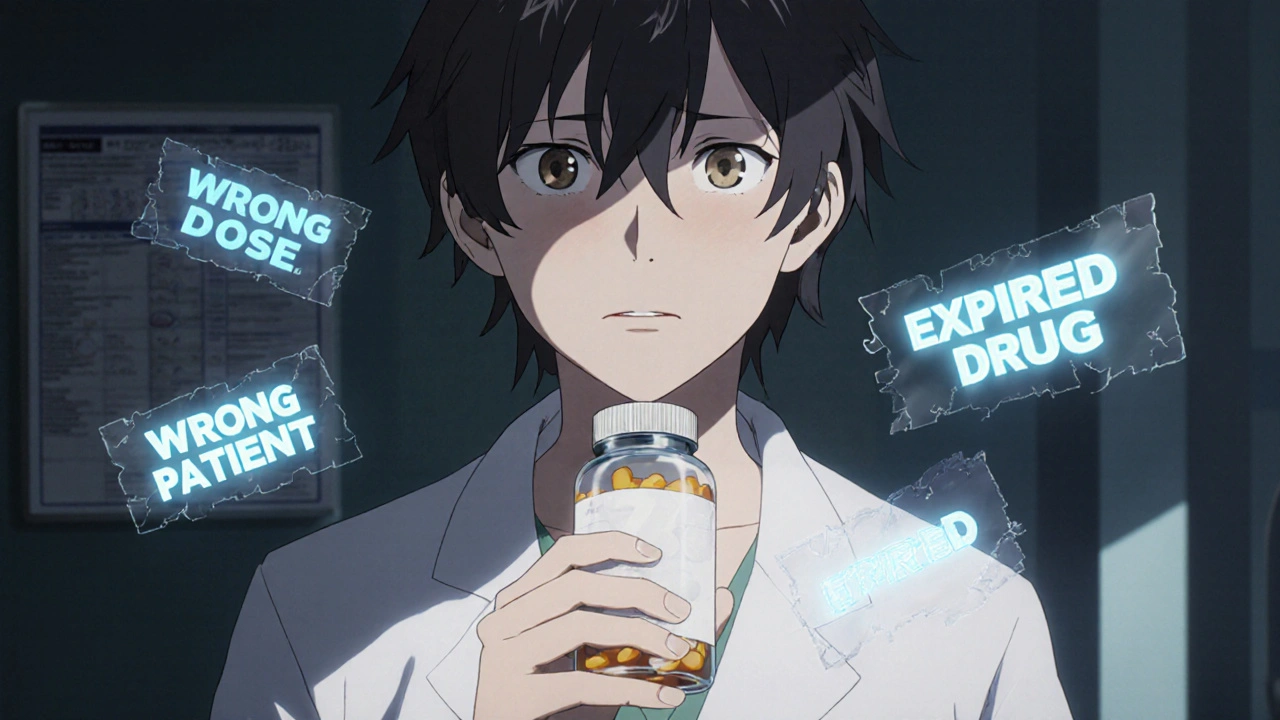
Medication Errors vs Drug Side Effects: How to Tell Them Apart and Why It Matters
Learn how to tell the difference between medication errors and drug side effects-why confusing them can be dangerous, how to identify each, and what you can do to stay safe.
Continue ReadingPopular Posts
-

-
-
-
When Your Doctor Might Prescribe Brand-Name Only and Why
23 March 2026 -