LDL Lowering: How to Reduce Bad Cholesterol with Medication and Lifestyle
When you hear LDL lowering, the process of reducing low-density lipoprotein cholesterol, often called "bad" cholesterol, to prevent heart disease. Also known as cholesterol reduction, it’s not just about numbers on a lab report—it’s about keeping your arteries clear and your heart working right. High LDL doesn’t cause symptoms, but over time, it builds up in your blood vessels like rust in a pipe. That’s why doctors push for LDL lowering, especially if you’ve had a heart attack, have diabetes, or your numbers are way above 100 mg/dL.
There are two main ways to get LDL lowering done: drugs and daily habits. The most common meds are statins, a class of drugs that block cholesterol production in the liver. They’re not magic, but they work for most people—some drop LDL by 50% or more. Other options include ezetimibe, which blocks cholesterol absorption in the gut, and PCSK9 inhibitors, which are injectable and used when statins aren’t enough or cause side effects. But here’s the thing: meds alone won’t fix everything. You still need to watch what you eat. diet for LDL, the pattern of eating that reduces saturated fats, adds fiber, and avoids trans fats is just as important. Swap butter for olive oil, skip fried chicken, eat more oats and beans, and you’ll see real changes—even without touching a pill.
LDL lowering isn’t a one-size-fits-all race. Some people need strong meds because of genetics. Others can do fine with just a better diet and more walking. But if you’re on a statin, don’t stop because you feel fine. The goal isn’t to feel better—it’s to prevent a silent problem from turning into a heart attack or stroke. And if you’re trying to lower LDL naturally, know this: supplements like red yeast rice or garlic pills? They don’t hold up to real science. Stick to proven methods. Check your labels. Avoid hidden fats. Move every day. And if your doctor says your LDL is still too high after six months of effort, don’t feel guilty—talk about meds. There’s no shame in needing help.
The posts below cover exactly this: how medications like statins really work, what to watch for when you’re on them, how diet changes affect your numbers, and why some people still struggle even when they do everything right. You’ll find real talk about side effects, drug interactions, and what doctors wish patients knew. No fluff. No hype. Just what you need to know to take control of your cholesterol—safely and smartly.
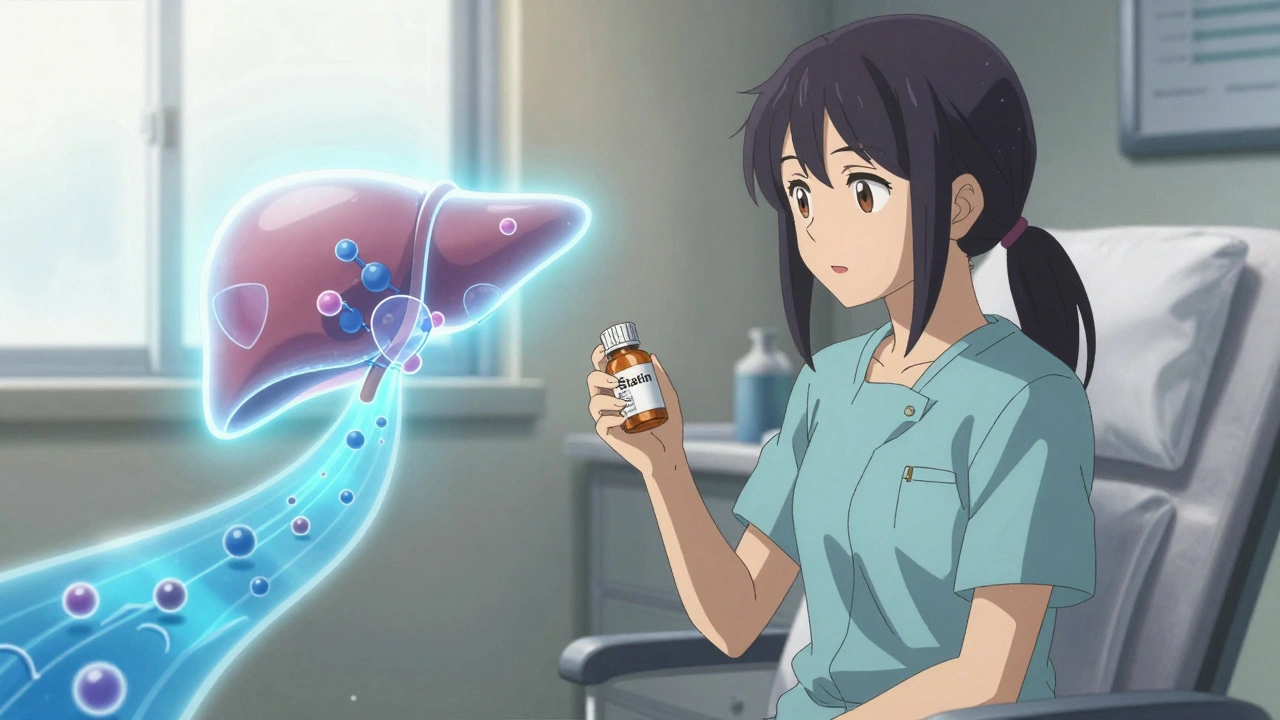
Cholesterol-Lowering Medications: Statins vs. Alternative Options
Statins are the most common cholesterol-lowering drugs, but side effects and low effectiveness for some mean alternatives like ezetimibe, PCSK9 inhibitors, and inclisiran are now vital options. Learn how they compare and who benefits most.
Continue Reading