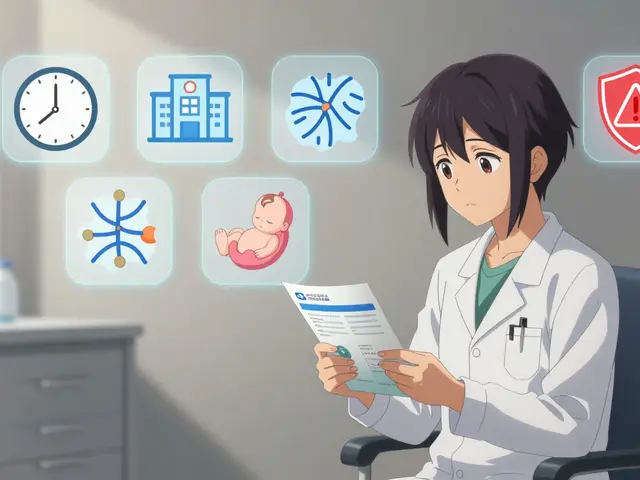
Generic Drug Substitution: What You Need to Know Before Swapping Prescriptions
When your pharmacist hands you a pill that looks different from what you usually take, it’s likely a generic drug substitution, a legally approved swap of a brand-name medication for its chemically identical, lower-cost version. Also known as generic switching, it’s one of the most common ways to cut prescription costs without losing effectiveness. But not all substitutions are straightforward—some can cause confusion, side effects, or even treatment failure if you don’t understand the rules.
Generic drugs must meet the same FDA standards as brand-name versions: same active ingredient, same strength, same dosage form, and same route of administration. That means generic medications, the non-brand versions of drugs like lisinopril or metformin, aren’t "weaker" or "inferior." But they can have different fillers, dyes, or coatings—and those differences matter for some people. For example, someone with a gluten sensitivity might react to a filler in one generic version but not another. Or a capsule that dissolves slower might cause a drop in blood levels, especially with narrow-therapeutic-index drugs like warfarin or levothyroxine. That’s why drug equivalence, the official term for when two drugs perform the same way in the body isn’t just about chemistry—it’s about real-world performance.
Switching between brands and generics isn’t always your choice. Insurance companies often push for it to save money. Pharmacies may swap without telling you unless you ask. And sometimes, your doctor writes "dispense as written" on the prescription to block automatic substitution. That’s why you need to know: if your blood pressure, thyroid levels, or seizure control changes after a switch, it’s not "just in your head." It could be the inactive ingredients affecting absorption. Always check the pill’s imprint code and compare it to your old one. Keep a log of how you feel after each switch. If you’re on a drug where small changes matter—like epilepsy meds, blood thinners, or psychiatric drugs—ask your doctor to make the substitution intentional, not accidental.
There’s no universal answer to whether generic drug substitution is right for you. For most people, it’s safe and saves hundreds a year. For others, even a small change can throw off their whole treatment. The key is awareness. Don’t assume all generics are the same. Don’t assume your pharmacist will warn you. And don’t ignore new symptoms after a switch. The posts below break down real cases where substitutions worked perfectly, where they caused problems, and how to protect yourself—whether you’re on a tight budget, managing a chronic condition, or just trying to understand what’s in your medicine cabinet.
How Healthcare Providers Respond to Insurer Requirements for Generic Drug Substitution
Insurers push generic drug substitution to cut costs, but providers face mounting administrative burdens and clinical risks. Learn how doctors are adapting-and fighting back-against rigid insurance rules.
Continue Reading