Acute Interstitial Nephritis: Causes, Risks, and What You Need to Know
When your kidneys suddenly swell up because of an immune reaction, you’re dealing with acute interstitial nephritis, a sudden inflammation of the kidney’s tubules and surrounding tissue, often triggered by medications or infections. Also known as drug-induced interstitial nephritis, it’s not common—but when it happens, it can sneak up fast and damage kidney function if missed. This isn’t just a lab result; it’s a real, sometimes silent, threat to how your body filters waste and balances fluids.
Most cases are tied to antibiotics, especially penicillins, sulfonamides, and trimethoprim. Drugs like Bactrim or Septra, which you might take for a sinus infection or UTI, can trigger this reaction. Hyperkalemia, a dangerous rise in blood potassium levels, often shows up alongside it, especially in older adults or people already on blood pressure meds. It’s not just the drug itself—it’s how your body reacts to it. Think of it like an allergic response, but instead of a rash, your kidneys get inflamed.
Other common culprits include NSAIDs like ibuprofen, proton pump inhibitors (PPIs) used for heartburn, and even some herbal supplements. The problem? Symptoms are vague. You might feel tired, have a low-grade fever, or notice your urine output dropping. Swelling in your ankles or unexplained weight gain can be clues too. Many people think it’s just dehydration or the flu—until their creatinine levels spike on a routine blood test.
What makes this tricky is that it often shows up days or weeks after you started the drug. You might’ve taken the antibiotic a month ago and still feel off. That delay means doctors don’t always connect the dots. But catching it early? That’s the key. Stopping the trigger drug right away can reverse the damage in many cases. If it’s ignored, it can lead to chronic kidney disease—or worse.
You’re at higher risk if you’re over 65, have existing kidney issues, or take multiple medications at once. It’s not just about the drug—it’s about the mix. For example, someone on a blood pressure pill like lisinopril who then takes Bactrim for an infection is stacking two risks. That’s why knowing your meds and how they interact matters more than ever.
The posts below dig into exactly this: how certain drugs like trimethoprim can spike potassium, how antibiotic side effects aren’t always obvious, and how kidney health ties into everything from heart meds to over-the-counter pain relievers. You’ll find real-world stories, clinical insights, and clear warnings about what to watch for—because when your kidneys start to fail, you don’t get a second chance to notice the signs.
Acute Interstitial Nephritis from Medications: Signs, Causes, and What to Do
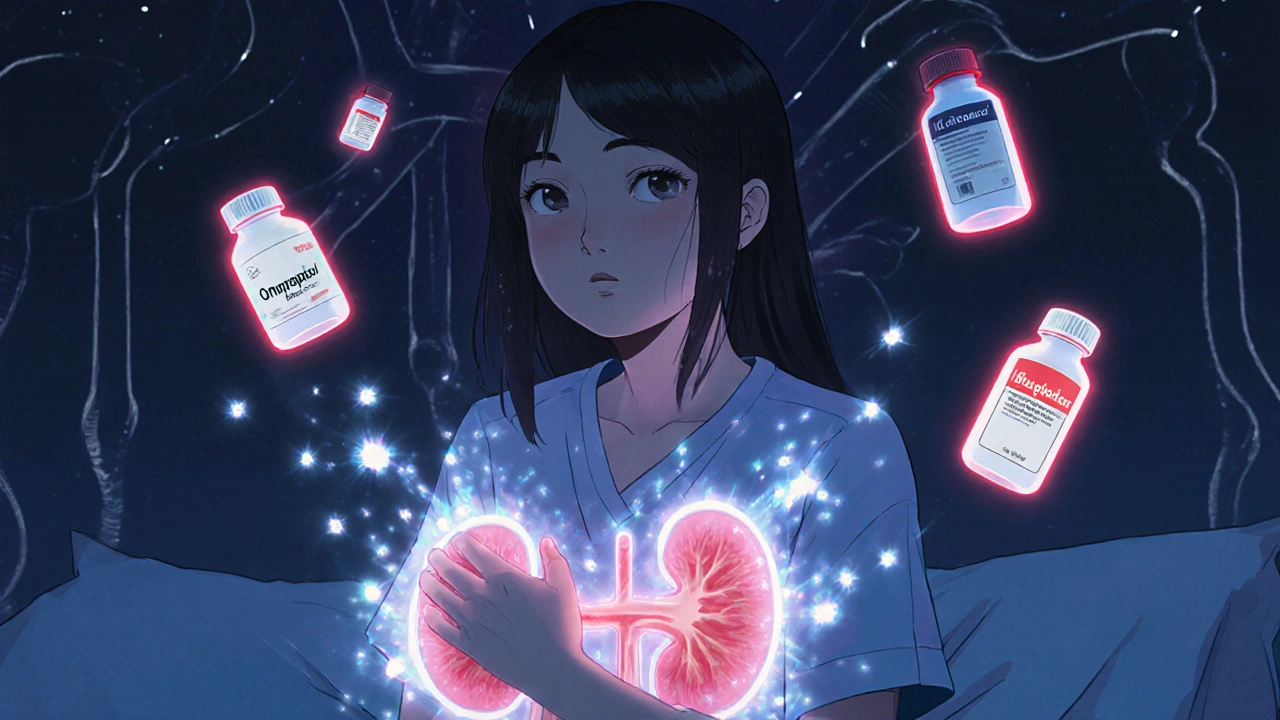
Drug-induced acute interstitial nephritis is a serious but often missed cause of kidney damage. Learn the signs, common culprits like PPIs and antibiotics, and what to do before permanent injury occurs.
Continue Reading