Statins: What They Are, How They Work, and What You Need to Know
When your doctor says you need a statin, a class of medications used to lower LDL cholesterol and reduce the risk of heart attack and stroke. Also known as HMG-CoA reductase inhibitors, these drugs don’t just numb the numbers—they actively protect your arteries from clogging over time. If you’ve ever been told your cholesterol is too high, chances are a statin was suggested. But what exactly are they doing inside your body? And why do some people feel fine on them while others struggle with side effects?
Statins work by blocking an enzyme in your liver that makes cholesterol. Less cholesterol made means your liver pulls more out of your blood to keep doing its job. That’s how your LDL—the "bad" kind—drops, often by 30% to 50%. It’s not magic. It’s biology. And it works. Studies show people with a history of heart disease who take statins cut their risk of another heart attack by nearly half. But statins aren’t just for people who’ve already had a problem. If you’re at high risk—due to diabetes, high blood pressure, smoking, or family history—they can stop it before it starts.
That said, statins aren’t harmless. muscle pain, a common complaint among users, often mild but sometimes severe enough to stop treatment is the biggest reason people quit. It’s not always the drug—it could be age, activity level, or another medication you’re taking. liver enzymes, checked regularly in the first few months, rarely rise to dangerous levels. And while some worry about memory loss or diabetes risk, the data shows these effects are rare and usually outweighed by heart protection. The real issue? Many people stop taking them because they feel fine—and forget they’re not cured, just managed.
Not all statins are the same. Atorvastatin and rosuvastatin are stronger and last longer. Simvastatin is cheaper but more likely to interact with other meds. Pravastatin is gentler on the liver. Your doctor picks based on your cholesterol level, other drugs you take, and your tolerance. And no, you don’t need to take them forever if your lifestyle changes—though most people do, because reversing plaque buildup takes more than diet alone.
Below, you’ll find real-world advice from people who’ve lived with statins. Some share how they handled muscle pain. Others explain how they stopped worrying about liver tests. You’ll see what happens when statins mix with other meds—like antibiotics or grapefruit juice—and how to spot the warning signs before things get serious. These aren’t theoretical guides. They’re the kind of stories you wish you’d heard before starting.
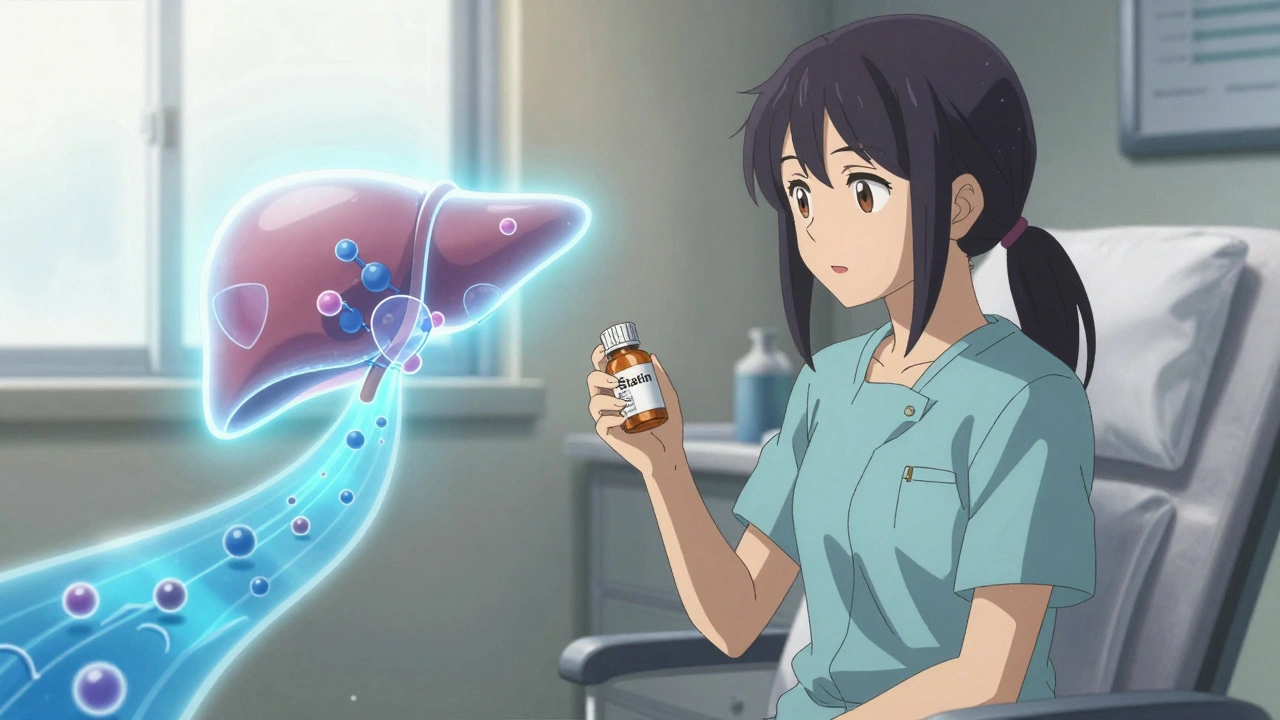
Cholesterol-Lowering Medications: Statins vs. Alternative Options
Statins are the most common cholesterol-lowering drugs, but side effects and low effectiveness for some mean alternatives like ezetimibe, PCSK9 inhibitors, and inclisiran are now vital options. Learn how they compare and who benefits most.
Continue Reading