Night Shift Tips: Stay Alert, Healthy, and Safe on Odd Hours
When you work nights, your body fights you. It’s not just about being tired—it’s your circadian rhythm, the internal 24-hour clock that tells your body when to sleep, wake, eat, and rest. Also known as your biological clock, it’s wired to expect darkness for sleep and light for activity. Fighting it day after day without strategy leads to poor sleep, weight gain, and even higher risk for heart problems and diabetes. This isn’t something you just ‘get used to.’ You have to manage it like a job.
Good night shift tips, practical strategies to help people working overnight hours maintain health and performance start with sleep. Don’t wait until you get home to crash. Block out time before your shift like a meeting. Use blackout curtains, white noise, and a strict routine—even on days off. Your brain needs consistency. If you’re sleeping during the day, treat it like nighttime: no screens, no caffeine, and keep the room cool. People who stick to this report better focus, fewer accidents, and less brain fog.
What you eat matters too. Heavy meals during your shift make you sluggish. Skip the greasy fast food. Instead, grab lean protein, complex carbs, and water. Caffeine helps—but only if timed right. Have it early in your shift, not near the end. Too late, and you’ll be wide awake when you should be sleeping. Also, watch your light exposure. Bright light during your shift signals your brain it’s daytime. Use it to your advantage. Natural sunlight on your way home? Wear sunglasses. It helps your body know it’s time to wind down.
And don’t ignore your mental health. Night work isolates you. Friends sleep when you’re awake. Family events happen at times you’re off. That loneliness builds up. Make time for connection—even if it’s a quick text or video call during your break. Small habits like this keep you grounded.
There’s no magic fix, but dozens of workers have turned their night shifts from exhausting to manageable using these basics. The posts below show real stories and science-backed tricks: how to handle dizziness from medications like SGLT2 inhibitors when you’re already tired, how to avoid falls in low-light environments, how to eat right when your stomach hates your schedule, and how to protect your heart when your body’s out of sync. You’ll find practical advice on sleep aids that actually work, how to reset your rhythm after a string of nights, and what to do when you feel like you’re running on fumes. These aren’t guesses. They’re tested by people who’ve been there.
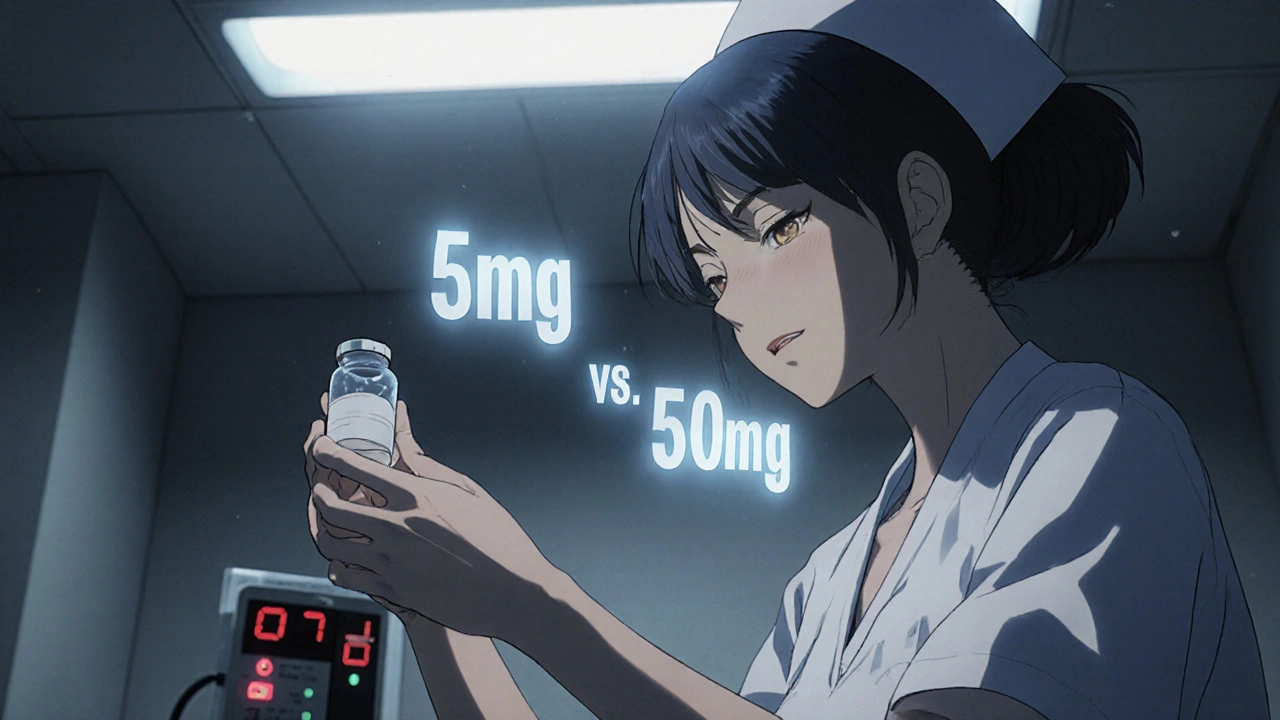
Medication Safety at Night: How to Avoid Mistakes When You're Tired
Nighttime medication errors are far more common than most realize. Learn how fatigue, sleep deprivation, and certain medications increase risks-and what you can do right now to stay safe.
Continue Reading