Night Shift Errors: Why Fatigue Leads to Mistakes and How to Prevent Them
When you work nights, your body fights against nature. Night shift errors, mistakes made by workers during overnight hours due to disrupted circadian rhythms and sleep deprivation. Also known as shift work mistakes, these aren’t just about being tired—they’re about your brain literally shutting down critical functions like focus, reaction time, and decision-making. Studies show that workers on night shifts are 20% to 30% more likely to make serious errors than those working days. In hospitals, that means wrong doses, missed alarms, or misread charts. In factories, it’s faulty assembly, unsafe equipment handling, or skipped safety checks. This isn’t speculation—it’s documented in real incidents tracked by OSHA and the CDC.
Shift work fatigue, the physical and mental exhaustion caused by working outside normal daylight hours hits hardest after 12 hours on the clock. Your body’s natural alertness peaks between 8 a.m. and 8 p.m. After that, melatonin rises, body temperature drops, and your brain starts treating wakefulness like an emergency. That’s why people on night shifts often zone out during routine tasks—like checking IV pumps or reading lab results. Even caffeine can’t fully fix this. And if you’re already sleep-deprived before your shift? The risk spikes again. Older workers, those with chronic conditions like diabetes or sleep apnea, and people juggling multiple jobs are especially vulnerable.
Medication errors, incorrect drug dosages, timing, or administration caused by human oversight are one of the most dangerous outcomes of night shift errors. A nurse working 10 p.m. to 6 a.m. might confuse two similar-looking pills, or miss a critical lab value because they’re too tired to double-check. It’s not laziness—it’s biology. The same goes for pharmacists filling prescriptions or technicians calibrating machines. These aren’t rare accidents. They’re predictable results of a system that ignores human limits.
So what actually helps? Short naps before or during shifts, better lighting (blue-enriched white light), scheduled breaks every two hours, and avoiding heavy meals during the night. Some hospitals now use smart alerts that flag high-risk meds during low-alert hours. Some factories rotate shifts slower—giving workers time to adjust. But the biggest fix? Stopping the assumption that "just push through" is acceptable. Your brain isn’t a machine. It needs sleep. And when it doesn’t get it, mistakes happen.
You’ll find real stories here—from nurses who caught their own near-misses to factory workers who redesigned their routines to stay sharp. These aren’t theoretical guides. They’re lessons from people who’ve been there. Whether you’re on the night shift, managing night workers, or just trying to understand why these errors keep happening, the posts below give you the facts, the fixes, and the proof that change is possible.
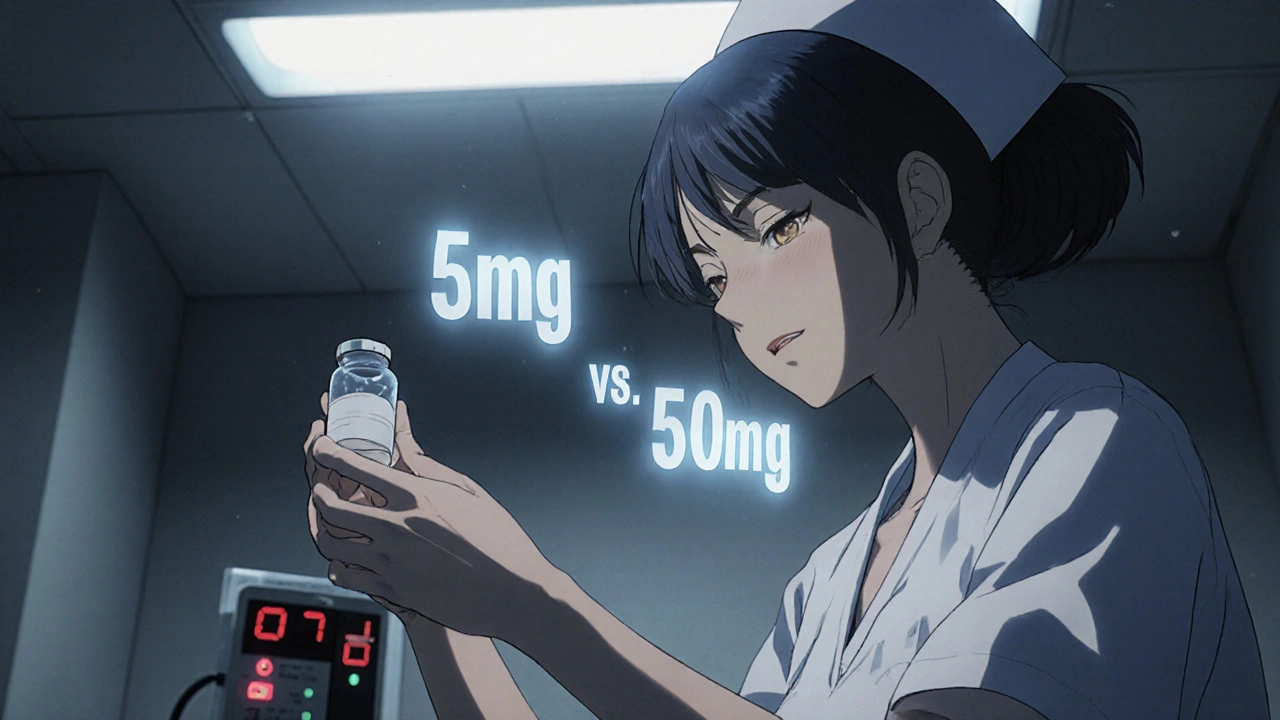
Medication Safety at Night: How to Avoid Mistakes When You're Tired
Nighttime medication errors are far more common than most realize. Learn how fatigue, sleep deprivation, and certain medications increase risks-and what you can do right now to stay safe.
Continue Reading