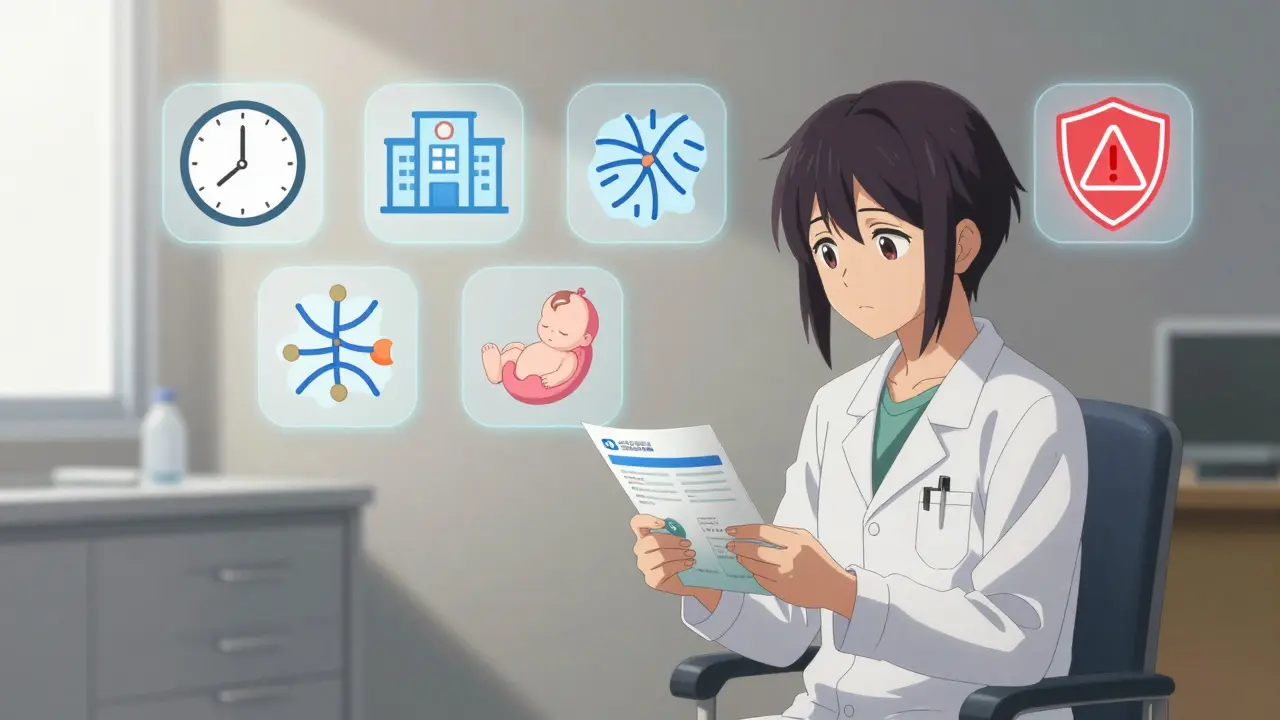
According to the FDA, a serious adverse event must meet one of these five criteria:
💀
Death (even if only suspected to be treatment-related)
⚠️
Life-threatening (risk of death at time of event)
🏥
Hospitalization (admission or 24+ hour extension)
disabilities">
Disability or permanent damage (nerve damage, vision loss, etc.)
👶
Congenital anomaly or birth defect (if treatment was during pregnancy)
Is This Adverse Event Serious?
Select the outcome that occurred:
When you’re taking a new medication or joining a clinical trial, you’ll likely see the term serious adverse event in your patient materials. It sounds scary - and it’s meant to. But here’s the thing most patients don’t realize: serious doesn’t always mean severe. And that confusion can cause unnecessary stress. The U.S. Food and Drug Administration (FDA) has very specific rules for what counts as a serious adverse event (SAE), and understanding them can help you make smarter decisions about your health.
What Exactly Is a Serious Adverse Event?
An adverse event is any unwanted medical occurrence while taking a drug or using a medical device. Not all of them are dangerous. A mild headache or a temporary rash? Those are common side effects. But a serious adverse event is something that meets one of five clear criteria set by the FDA:
Death - even if it’s only suspected to be linked to the treatment.
Life-threatening - meaning you were in real danger of dying at the time it happened.
Hospitalization - either you had to be admitted, or your stay was extended by at least 24 hours.
Disability or permanent damage - like nerve damage, loss of vision, or lasting organ problems.
Congenital anomaly or birth defect - if the treatment was taken during pregnancy.
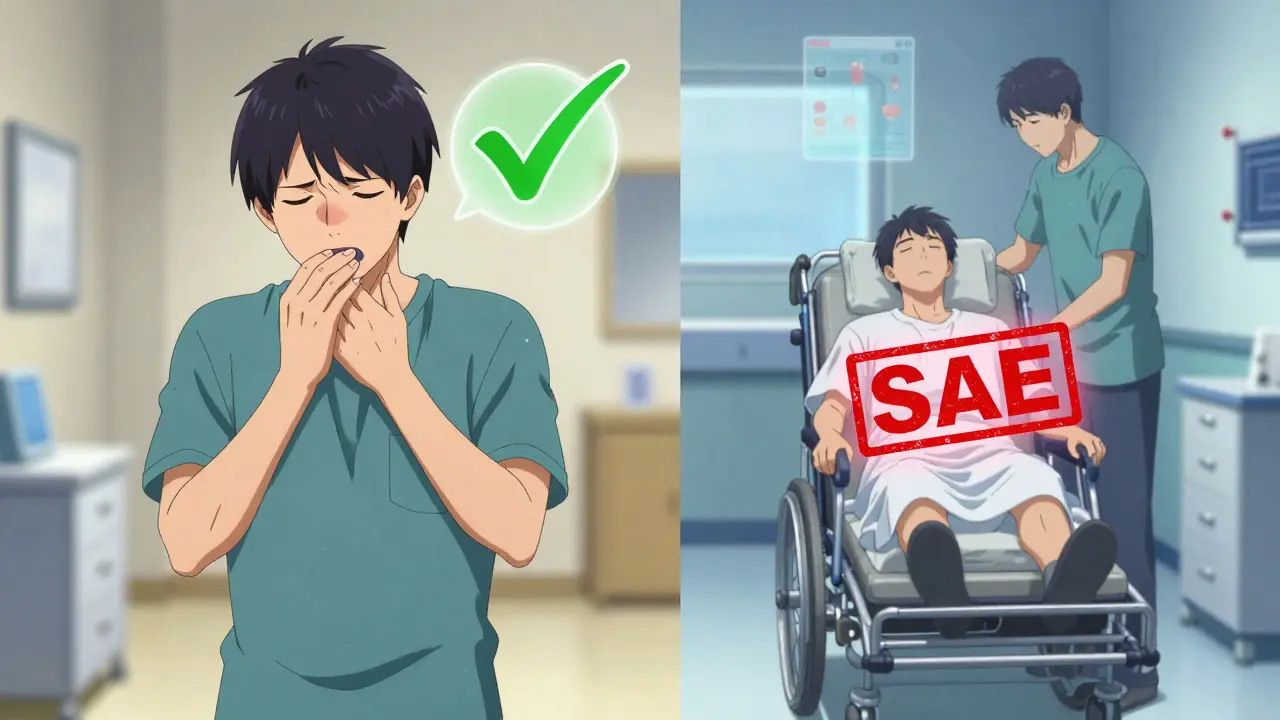
That’s it. If an event doesn’t hit one of these five points, it’s not classified as serious - no matter how uncomfortable it felt. This is where most patients get tripped up. A Grade 3 side effect (severe nausea, high fever, or low blood cell counts) might sound alarming, but if it didn’t lead to hospitalization or long-term harm, the FDA doesn’t label it as serious.
Why Does This Distinction Matter?
Think of it like this: severity tells you how bad the symptom feels. seriousness tells you whether it could change your life or end it.
Take cancer patients in clinical trials. According to the American Society of Clinical Oncology (ASCO), 68% of Grade 3 or 4 side effects - the ones that leave you feeling awful - are not classified as serious because they’re expected, reversible, and don’t lead to hospitalization or death. Without this distinction, patients might panic over normal treatment reactions.
But here’s the flip side. Some events that feel minor can still be serious. A single day in the hospital for dehydration from diarrhea? That’s a serious adverse event. A sudden drop in blood pressure that doesn’t kill you but forces you to stop working for months? That’s serious too. The FDA looks at outcomes, not how you felt.
Dr. Robert Temple, former top official at the FDA’s drug review center, said it plainly: “Confusing severe with serious is the most common misunderstanding among patients.” And it’s not just about fear. Misunderstanding this can lead to patients ignoring real warning signs - or refusing helpful treatments because they think every bad side effect is dangerous.
How the FDA Uses This System
The whole point of classifying SAEs isn’t to scare patients. It’s to protect them.
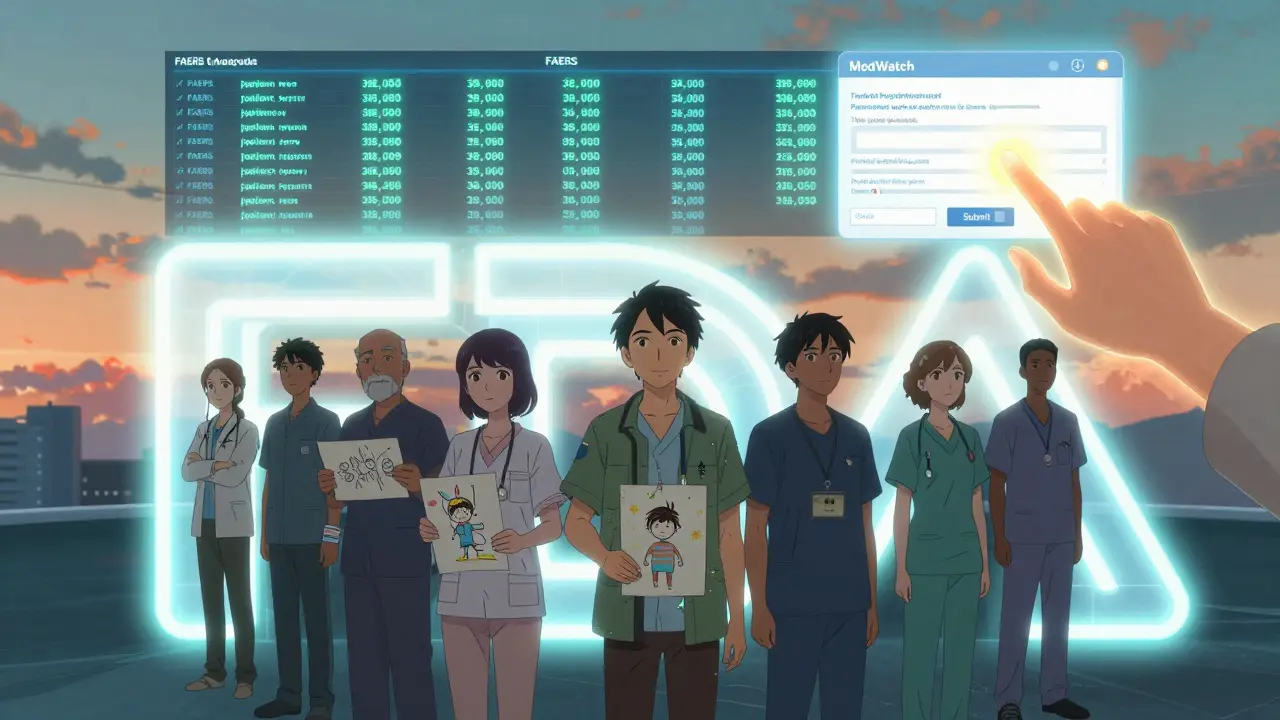
Every time a serious adverse event is reported - whether by a doctor, a patient, or a clinical trial team - it goes into the FDA’s Adverse Event Reporting System (FAERS). In 2022 alone, this system helped trigger 128 safety alerts and 47 changes to drug labels. That means warnings were added, dosages were lowered, or entire uses were restricted because of patterns found in these reports.
For example, if 15 patients in different trials developed rare liver damage after taking a new diabetes drug, even if only one of them was hospitalized, the FDA would flag it. That’s how they catch hidden risks early.
The FDA also tracks something called “Important Medical Events” (IMEs). These are unusual problems that don’t quite meet the five criteria - but could become serious if ignored. Think: unexplained weight loss, sudden confusion, or persistent chest pain. If a doctor thinks it could lead to hospitalization or death, they report it. In 2022, IMEs added over 18,000 previously missed safety signals to the system.
What Patients Should Look For
If you’re starting a new medication, check the Warnings and Precautions section in the patient guide. It will list serious side effects seen in trials - often with percentages. For example: “Serious infections occurred in 2.3% of patients.” That’s not a warning to avoid the drug. It’s a heads-up: watch for fever, chills, or persistent sore throat.
In clinical trials, you’ll see SAEs listed in your consent form. Don’t just skip it. Ask: “What does ‘serious’ mean here?” Many trial sites now offer 15-20 minutes of extra education just to explain this. Use it.
Also, look for plain-language definitions. The FDA now encourages sponsors to say: “A serious adverse event is one that causes death, hospitalization, disability, or a life-threatening situation.” No jargon. Just facts.
How You Can Help
The FDA doesn’t know everything. They rely on reports. And most events - especially outside hospitals - go unreported.
Studies estimate that only 1% to 10% of actual adverse events are reported. That’s because patients don’t know how, or they think it’s not important. But if you had an unexpected reaction - even if it went away - report it.
The FDA’s MedWatch program lets patients file reports directly. Just go to their website and fill out Form 3500B. In 2022, over 38,000 reports came from patients like you. That’s 12% more than the year before. Every one matters.
And if you’re in a clinical trial, don’t wait for your doctor to ask. Tell them immediately if you’re hospitalized, feel like you might die, or notice something that changes how you live. That’s not overreacting. That’s helping science.
What’s Changing in 2026
The FDA isn’t done improving this system. By 2025, all clinical trial registries will include simplified SAE summaries for patients. New AI tools are being tested to sort through reports faster - cutting review time from 30 days to under a week for the most urgent cases.
And later this year, the FDA will launch a new patient education portal. It will use real stories, simple visuals, and plain language to explain what serious means - without the medical lingo.
One thing is clear: patient safety isn’t just about drugs. It’s about understanding them. And you have the right - and the power - to know exactly what the words mean.
The FDA's definition of 'serious' is pure bureaucratic gaslighting. They say it's about outcomes, not feelings-but let's be real, they're just protecting pharma. If you're hospitalized for dehydration from a drug side effect? That's serious. But if 200 people get the same reaction and no one dies? They bury it in the noise. This system exists to keep drugs on the market, not to protect patients. I've seen it. I've reported it. And nothing changed. Trust the system? No thanks.
They call it 'FAERS' like it's a friendly acronym. It's not. It's a black hole. 1% of events get reported? That's because the form is a nightmare. And don't get me started on how they ignore patient reports unless they come with a doctor's signature. This isn't transparency. It's theater.
Sean Bechtelheimer
March 26, 2026
lol at the FDA pretending they care about patients 😂 they only act when a lawsuit drops or a senator gets mad my cousin got hospitalized from a 'non-serious' reaction and they told her 'it's not in the stats' 🤡
rebecca klady
March 27, 2026
I appreciate this breakdown. I work in patient advocacy and see so many people panic over side effects that aren't actually classified as serious. It’s helpful to have clear lines-even if the system is flawed. I always tell folks: if you feel something’s off, report it anyway. The FDA doesn’t know unless you tell them. And yes, the MedWatch form is clunky, but it’s worth 10 minutes of your time.
Also, the new plain-language portal coming in 2025? Long overdue. I’m excited.
Namrata Goyal
March 27, 2026
fr tho the FDA is just another tool of the capitalist medical complex lmao they dont care about u or me or any of us they care about profit margins and stock prices and this 'serious' vs 'severe' thing? total distraction tactic u think theyre gonna change the system? nah theyll just add more jargon like 'clinically significant non-serious adverse event with potential for escalation' 😂 its all smoke and mirrors baby
Blessing Ogboso
March 29, 2026
As someone from Nigeria who’s watched family members struggle with access to even basic medications, I find this entire FDA framework both fascinating and deeply alien. In many low-resource settings, the idea of being hospitalized for a reaction is a luxury-most people never make it to a clinic at all. So while I respect the precision of these definitions, I also wonder: are we creating a system that only protects those who can navigate it?
What if we started by asking: 'How do we make sure no one dies because they couldn't get help?' before we define what counts as 'serious'? I think the real breakthrough isn't in reclassifying events-it's in reimagining who gets to be protected by them. This conversation needs to include voices from the Global South, not just the U.S. regulatory bubble.
And yes, I’ve seen patients in Lagos report rashes that lasted weeks, and no one could afford to check if it was 'serious.' They just stopped taking the medicine. That’s not a data point. That’s a tragedy.
florence matthews
March 31, 2026
This is so important. I’m a cancer survivor and I remember freaking out over nausea during chemo because I thought it meant 'serious.' My oncologist had to sit me down and explain the difference. It changed everything. I started trusting the process more. And yes, I reported my weird dizziness after the third round-even though I wasn’t hospitalized. I didn’t know I could. Now I tell everyone: if it feels wrong, say something. The system only works if we use it.
Also, I love that they’re adding patient stories. Real voices > clinical jargon. 🙌
Kenneth Jones
March 31, 2026
Stop pretending this is about patient safety. This is about liability. The FDA doesn't care if you're miserable. They care if you're dead or in court. That's why they define 'serious' so narrowly. They want to minimize the number of reports that trigger investigations. Every time they say 'it's not serious,' they're protecting a billion-dollar drug. Don't fall for the PR.
And yes, I know what I'm talking about. I worked in pharma compliance for 12 years. I've seen the reports get buried. I've seen the edits. This system is rigged. Report anyway. But don't expect justice.
Mihir Patel
April 2, 2026
okay so i read this whole thing and im like wow the fda is actually kinda cool?? but then i remembered that one time i got a rash and went to the er and they said 'not serious' and i had to pay $2k out of pocket so yeah its all very academic until it happens to you also typo: 'congenital anomaly' is spelled wrong in the original post lol and also why is it called FAERS? sounds like a robot from 1998 🤖
Write a comment
Required fields are marked *
About
Looking for reliable and trusted info on pharmaceuticals? MyDrHank.com is the perfect solution. We offer easy-to-understand resources about medication, diseases, and supplements. Find all you need to know about the properties, uses and interaction of medical drugs. We aim to enhance your quality of life by providing comprehensive and accurate health information. Your wellness is our priority.


8 Comments
Donna Fogelsong
March 24, 2026The FDA's definition of 'serious' is pure bureaucratic gaslighting. They say it's about outcomes, not feelings-but let's be real, they're just protecting pharma. If you're hospitalized for dehydration from a drug side effect? That's serious. But if 200 people get the same reaction and no one dies? They bury it in the noise. This system exists to keep drugs on the market, not to protect patients. I've seen it. I've reported it. And nothing changed. Trust the system? No thanks.
They call it 'FAERS' like it's a friendly acronym. It's not. It's a black hole. 1% of events get reported? That's because the form is a nightmare. And don't get me started on how they ignore patient reports unless they come with a doctor's signature. This isn't transparency. It's theater.
Sean Bechtelheimer
March 26, 2026lol at the FDA pretending they care about patients 😂
they only act when a lawsuit drops or a senator gets mad
my cousin got hospitalized from a 'non-serious' reaction and they told her 'it's not in the stats' 🤡
rebecca klady
March 27, 2026I appreciate this breakdown. I work in patient advocacy and see so many people panic over side effects that aren't actually classified as serious. It’s helpful to have clear lines-even if the system is flawed. I always tell folks: if you feel something’s off, report it anyway. The FDA doesn’t know unless you tell them. And yes, the MedWatch form is clunky, but it’s worth 10 minutes of your time.
Also, the new plain-language portal coming in 2025? Long overdue. I’m excited.
Namrata Goyal
March 27, 2026fr tho the FDA is just another tool of the capitalist medical complex lmao
they dont care about u or me or any of us
they care about profit margins and stock prices
and this 'serious' vs 'severe' thing? total distraction tactic
u think theyre gonna change the system? nah theyll just add more jargon
like 'clinically significant non-serious adverse event with potential for escalation' 😂
its all smoke and mirrors baby
Blessing Ogboso
March 29, 2026As someone from Nigeria who’s watched family members struggle with access to even basic medications, I find this entire FDA framework both fascinating and deeply alien. In many low-resource settings, the idea of being hospitalized for a reaction is a luxury-most people never make it to a clinic at all. So while I respect the precision of these definitions, I also wonder: are we creating a system that only protects those who can navigate it?
What if we started by asking: 'How do we make sure no one dies because they couldn't get help?' before we define what counts as 'serious'? I think the real breakthrough isn't in reclassifying events-it's in reimagining who gets to be protected by them. This conversation needs to include voices from the Global South, not just the U.S. regulatory bubble.
And yes, I’ve seen patients in Lagos report rashes that lasted weeks, and no one could afford to check if it was 'serious.' They just stopped taking the medicine. That’s not a data point. That’s a tragedy.
florence matthews
March 31, 2026This is so important. I’m a cancer survivor and I remember freaking out over nausea during chemo because I thought it meant 'serious.' My oncologist had to sit me down and explain the difference. It changed everything. I started trusting the process more. And yes, I reported my weird dizziness after the third round-even though I wasn’t hospitalized. I didn’t know I could. Now I tell everyone: if it feels wrong, say something. The system only works if we use it.
Also, I love that they’re adding patient stories. Real voices > clinical jargon. 🙌
Kenneth Jones
March 31, 2026Stop pretending this is about patient safety. This is about liability. The FDA doesn't care if you're miserable. They care if you're dead or in court. That's why they define 'serious' so narrowly. They want to minimize the number of reports that trigger investigations. Every time they say 'it's not serious,' they're protecting a billion-dollar drug. Don't fall for the PR.
And yes, I know what I'm talking about. I worked in pharma compliance for 12 years. I've seen the reports get buried. I've seen the edits. This system is rigged. Report anyway. But don't expect justice.
Mihir Patel
April 2, 2026okay so i read this whole thing and im like wow the fda is actually kinda cool??
but then i remembered that one time i got a rash and went to the er and they said 'not serious' and i had to pay $2k out of pocket
so yeah its all very academic until it happens to you
also typo: 'congenital anomaly' is spelled wrong in the original post lol
and also why is it called FAERS? sounds like a robot from 1998 🤖