Opioid Side Effects: What You Need to Know About Risks and Relief
When you take opioids, a class of powerful pain-relieving drugs that include oxycodone, hydrocodone, morphine, and fentanyl. Also known as narcotics, they work by binding to receptors in your brain and spinal cord to block pain signals. But they don’t just turn off pain—they also slow down your breathing, change how your gut moves, and can hijack your brain’s reward system. That’s why opioid side effects aren’t just inconvenient—they can be dangerous, even deadly.
One of the most serious risks is respiratory depression, when breathing becomes too slow or shallow to keep oxygen levels up. It’s the leading cause of death in opioid overdoses. You won’t always feel it coming—especially if you’re taking higher doses or mixing opioids with alcohol, benzodiazepines, or sleep aids. Then there’s constipation, a near-universal side effect caused by opioids slowing down gut movement. Unlike other side effects, it doesn’t fade with time. Many people stop taking their meds because they can’t deal with it. And if you’ve been on opioids for more than a few weeks, your body adapts. Stop suddenly, and you’ll face opioid withdrawal, a harsh set of symptoms including nausea, sweating, muscle aches, anxiety, and insomnia. It’s not just uncomfortable—it can make you crave the drug again just to feel normal.
People often think side effects are just the price of pain relief. But they’re not inevitable. Dose adjustments, non-opioid pain options, and medications like naloxone or methylnaltrexone can help. Some side effects, like drowsiness or dizziness, fade after a few days. Others, like constipation or hormonal changes, need active management. You don’t have to suffer through them silently. And if you’re worried about dependence, you’re not alone—millions of people take opioids safely, but knowing the signs of misuse is the first step to staying in control.
Below, you’ll find real-world guides from people who’ve dealt with these issues firsthand—from how to spot early warning signs of overdose to what to do when your doctor wants to taper your dose. These aren’t theory pages. They’re practical tools for staying safe, informed, and in charge of your care.
Opioids and Adrenal Insufficiency: A Rare but Life-Threatening Side Effect You Need to Know
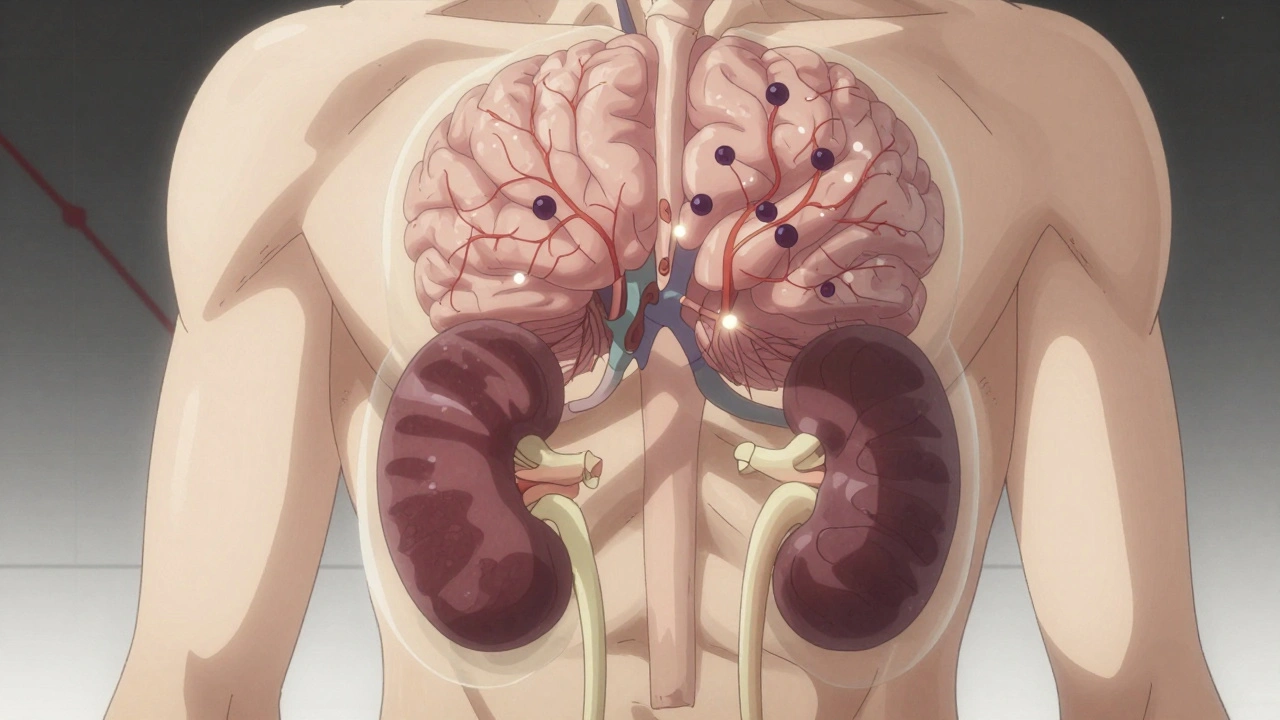
Opioid-induced adrenal insufficiency is a rare but life-threatening side effect of long-term opioid use. It suppresses cortisol production, leaving patients vulnerable to crisis during stress. Early testing can save lives.
Continue Reading