Cholesterol Medication: What Works, What to Watch For, and How to Stay Safe
When your doctor talks about cholesterol medication, drugs designed to lower harmful fats in your blood to reduce heart disease risk. Also known as lipid-lowering therapy, it’s one of the most commonly prescribed treatments in the U.S.—but many people don’t know how these drugs actually work or what risks they carry. The most common type, statins, a class of drugs that block cholesterol production in the liver. Also known as HMG-CoA reductase inhibitors, they include medicines like atorvastatin and rosuvastatin, which are proven to cut heart attack risk by up to 30% in high-risk patients. But statins aren’t the only option. Other drugs like ezetimibe, PCSK9 inhibitors, and bile acid resins work differently—some reduce absorption, others clear LDL from the blood faster.
What most people don’t realize is that drug interactions, when cholesterol meds react badly with other drugs or supplements. Also known as medication conflicts, they can turn a safe treatment into a dangerous one. For example, taking statins with certain antibiotics like clarithromycin or antifungals like itraconazole can spike drug levels in your blood and damage your muscles. Even grapefruit juice can interfere with how your body breaks down some statins. Then there’s the risk of side effects, unwanted physical reactions that can range from mild to severe. Also known as adverse drug reactions, they include muscle pain, liver stress, and even memory issues in rare cases. And while high LDL cholesterol is the main target, some meds also affect triglycerides or HDL—so not all cholesterol meds do the same thing.
You might think if your numbers are down, you’re safe—but that’s not always true. Some people take meds but still have inflammation or plaque buildup. Others get side effects so bad they quit, even though their cholesterol is under control. That’s why knowing your exact drug, its purpose, and what to avoid isn’t just helpful—it’s life-saving. The posts below cover real-world stories and science-backed advice: how to read your prescription label for hidden risks, what to do if you miss a dose, how to tell if your symptoms are from the drug or something else, and which supplements can make things worse. You’ll find answers about statins, bile acid resins, and newer treatments—and how to talk to your doctor without sounding like you’re questioning their judgment. This isn’t about fear. It’s about control.
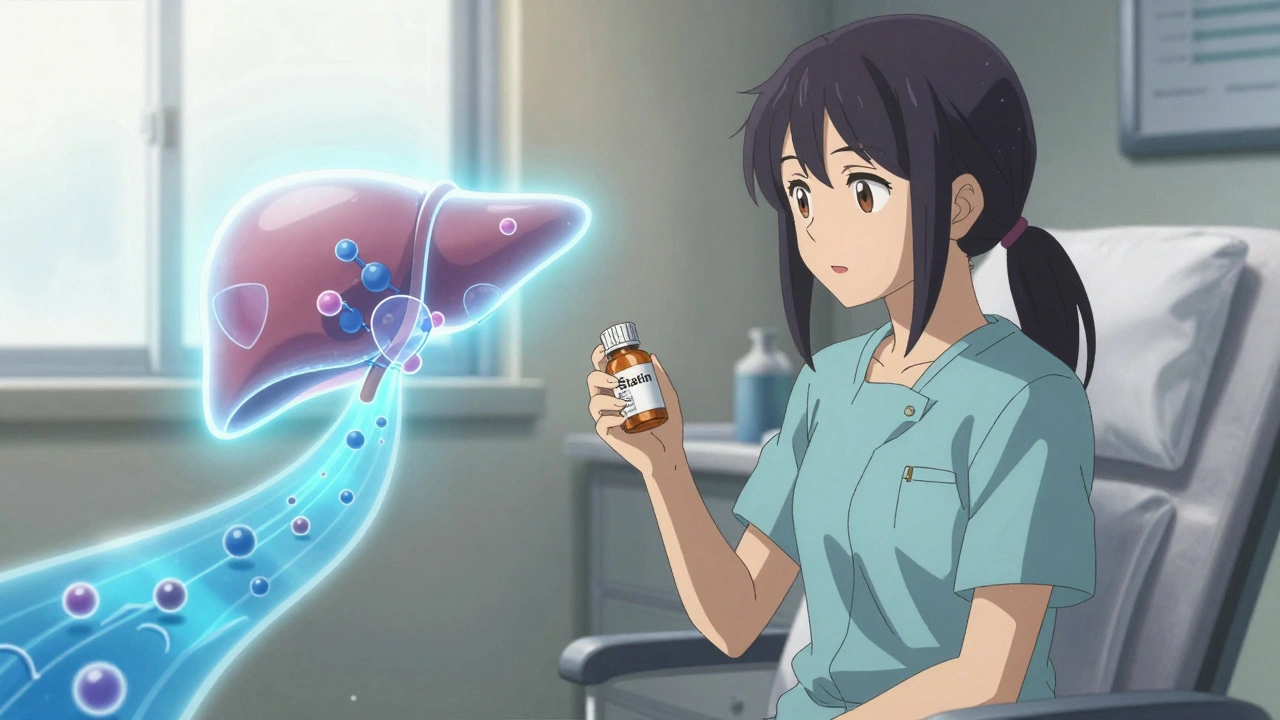
Cholesterol-Lowering Medications: Statins vs. Alternative Options
Statins are the most common cholesterol-lowering drugs, but side effects and low effectiveness for some mean alternatives like ezetimibe, PCSK9 inhibitors, and inclisiran are now vital options. Learn how they compare and who benefits most.
Continue Reading