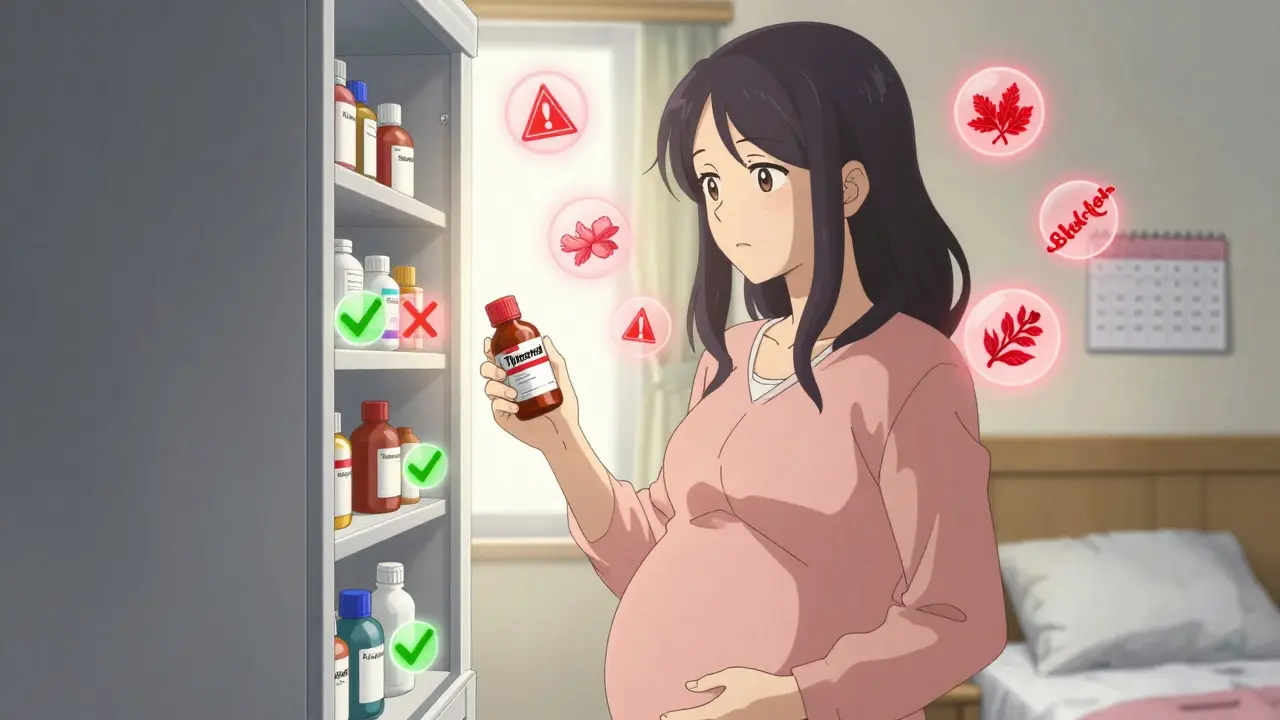
When you’re pregnant, even a simple headache or stuffy nose can feel like a crisis. You don’t want to risk your baby’s health, but you also don’t want to suffer. So you reach for that bottle of Tylenol or cold medicine sitting in your cabinet. But here’s the truth: OTC medications during pregnancy aren’t always as safe as they seem. What’s labeled "non-prescription" doesn’t mean "no risk."
More than half of pregnant women take at least one over-the-counter drug during pregnancy. Acetaminophen is the most common - used by 65% of expectant mothers. Ibuprofen? Around 18%. Pseudoephedrine? 15%. But here’s what most people don’t realize: just because you can buy it without a prescription doesn’t mean it’s harmless. Some of these meds can affect your baby’s kidneys, heart, or even brain development - especially if taken at the wrong time or in the wrong dose.
What’s Actually Safe? Not All OTCs Are Created Equal
Let’s cut through the noise. There are a few OTC medications with solid, long-term safety data in pregnancy. Acetaminophen (Tylenol) is still the go-to for pain and fever. It’s been studied for decades. The recommended dose? 650 to 1,000 mg every 4 to 6 hours, no more than 4,000 mg in 24 hours. Even in the first trimester, it’s considered the safest option - but that doesn’t mean more is better. Taking it daily for weeks on end? That’s where new research is raising red flags. Some studies are starting to link long-term, high-dose acetaminophen use to possible neurodevelopmental effects, though major health groups haven’t changed their guidance yet. Until we know more, stick to the lowest dose for the shortest time.
For heartburn, Tums (calcium carbonate) is fine under 2,000 mg per day. So are Mylanta or Maalox (aluminum hydroxide/magnesium hydroxide). Pepcid AC (famotidine) is also approved. But avoid ranitidine - it was pulled from the market years ago, but some older bottles might still be around.
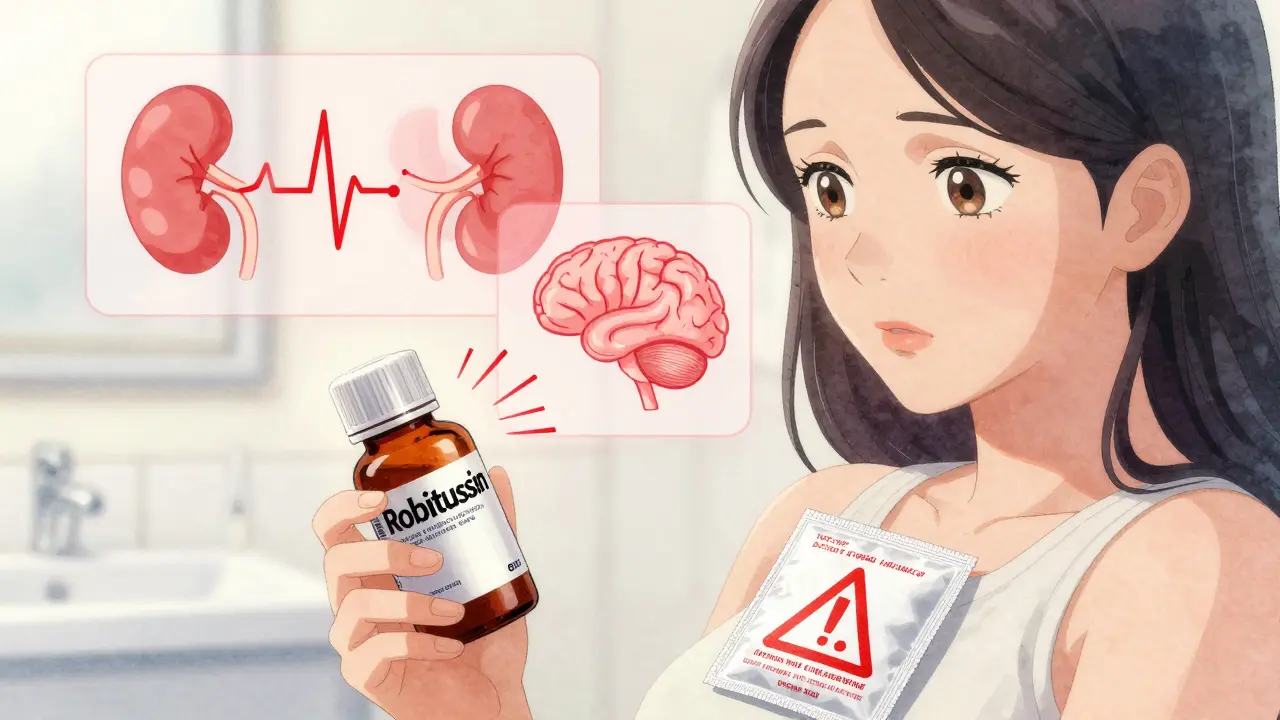
For coughs, plain Robitussin (dextromethorphan only) is okay. But avoid anything labeled "Multi-Symptom," "Cold & Flu," or "Day/Night" - those often contain pseudoephedrine, phenylephrine, or extra acetaminophen. Same goes for NyQuil or DayQuil. Those are dangerous cocktails you don’t want near your pregnancy.
Allergies? Loratadine (Claritin) and cetirizine (Zyrtec) are safe. Fexofenadine (Allegra) is now also considered safe based on a 2022 study of over 12,000 pregnancies. But diphenhydramine (Benadryl)? Use it only if your doctor says so. It can cause drowsiness and might affect your baby’s movement.
What to Avoid - And Why
NSAIDs like ibuprofen (Advil, Motrin) and naproxen (Aleve) are a hard no after 20 weeks. The FDA issued a strong warning in 2020: these drugs can cause low amniotic fluid and kidney damage in the fetus. But even earlier? A 2023 meta-analysis found NSAID use in the first trimester increases miscarriage risk by 60%. That’s not a small number.
Pseudoephedrine (Sudafed) is another big one. It’s a decongestant. Sounds harmless, right? But in the first trimester, it’s linked to a 2.2 times higher risk of gastroschisis - a serious birth defect where the baby’s intestines develop outside the body. That’s why most doctors tell you to skip it entirely until after week 12.
And don’t assume "natural" means safe. Herbal remedies like black cohosh, dong quai, or goldenseal? They’re not regulated. No one knows what’s in them or how they affect your baby. A 2023 study found that 18% of OTC-related pregnancy complications came from these so-called "natural" products.
Even "alcohol-free" cough syrups can contain 5-10% ethanol. Yes, alcohol. That’s not safe at any point in pregnancy. Always check the ingredient list.
The 5 Questions You Must Ask Before Taking Anything
Here’s the real key: don’t guess. Don’t rely on old advice or what your friend did. Ask these five questions before you swallow anything:
- Is this absolutely necessary? Can you manage this with rest, hydration, steam, or saltwater gargles? Sometimes, doing nothing is the safest choice.
- What’s the lowest effective dose? Don’t take two pills because you think it’ll work faster. Stick to the label - or even less.
- What’s the shortest time possible? If you’ve been taking something for more than three days, talk to your provider. Chronic use = higher risk.
- Are there non-drug options? For nausea, ginger tea or acupressure bands help. For constipation, fiber and water. For congestion, saline sprays and humidifiers.
- Has my provider approved this exact product? Brand matters. "Robitussin" alone is fine. "Robitussin Multi-Symptom" is not. Check the active ingredients - not just the name.
At your first prenatal visit, your provider should ask you about every medication you take - including vitamins, supplements, and herbal teas. Bring a list. Write down the brand names, doses, and how often you use them. If they don’t ask, bring it up. Eighty-nine percent of providers do this routinely - but you shouldn’t wait for them to start the conversation.
What About That Old Bottle in the Cabinet?
Many women still have leftover meds from before pregnancy. Maybe it’s that ibuprofen from last winter’s flu. Or that cold tablet your sister swore by. Here’s the hard truth: if it’s not on your prenatal list, toss it. Don’t keep it. Don’t "just in case" it. Pregnancy changes everything. A drug that was fine before might be risky now.
And don’t trust labels alone. Only 37% of multi-symptom cold products clearly state pregnancy safety info. Compare that to 89% of antacids and acetaminophen bottles - which usually say "safe in pregnancy" or "consult your doctor." If the label doesn’t say anything clear, assume it’s not safe.
When to Call Your Doctor - Even If You Think It’s Minor
Don’t wait until you’re in panic mode. Call your provider if:
- You’ve taken an OTC med without knowing if it was safe.
- You’ve taken more than the recommended dose.
- You’ve used something for more than 3 days.
- You’re unsure whether a product contains a hidden ingredient like pseudoephedrine or alcohol.
- You’re considering a new supplement, herb, or home remedy.
There’s no such thing as a silly question. Your provider has seen this before. They’re not there to judge - they’re there to help you avoid a problem before it starts.

What’s Changing Right Now?
Science is catching up. In 2023, researchers found that 23% of pregnant women have a gene variant (CYP2E1) that affects how their body breaks down acetaminophen. That means the "safe" dose of 4,000 mg might be too high for some. This could lead to personalized dosing in the near future.
The Acetaminophen Use in Pregnancy (AUP) Study is tracking 50,000 pregnancies to see if long-term use affects children’s attention, language, or behavior. Results are expected in 2024. That could change everything we think we know.
Right now, the safest rule is simple: when in doubt, don’t take it. If you need relief, talk to your provider. They’ll help you find the safest path - whether that’s a tiny dose of Tylenol, a saline spray, or just waiting it out.
Is Tylenol safe during pregnancy?
Yes, acetaminophen (Tylenol) is the safest pain reliever and fever reducer during pregnancy, when used at the recommended dose: 650-1,000 mg every 4-6 hours, not exceeding 4,000 mg in 24 hours. It’s considered safe in all trimesters. But long-term or high-dose use is under review - emerging studies suggest possible links to neurodevelopmental effects, though no major health agency has changed its guidelines yet. Stick to the lowest dose for the shortest time possible.
Can I take ibuprofen while pregnant?
No, not after 20 weeks. The FDA warns that ibuprofen and other NSAIDs can cause low amniotic fluid and kidney problems in the developing baby. Even before 20 weeks, studies show a 60% higher risk of miscarriage with first-trimester use. Avoid ibuprofen, naproxen, and aspirin entirely unless your doctor specifically tells you otherwise - and even then, only for very short periods under close supervision.
Is Sudafed safe during pregnancy?
Pseudoephedrine (Sudafed) is not recommended during the first trimester. It’s linked to a 2.2 times higher risk of gastroschisis, a serious abdominal wall birth defect. After the first trimester, some providers may allow it for short-term use, but only if no alternatives work. Always check with your doctor first. Safer options include saline nasal sprays, humidifiers, or antihistamines like loratadine.
What cold medicine can I take while pregnant?
Stick to single-ingredient products: plain Robitussin (dextromethorphan only) for cough, Claritin or Zyrtec for allergies, and saline sprays for congestion. Avoid multi-symptom formulas like DayQuil, NyQuil, or Cold & Flu tablets - they often contain unsafe ingredients like pseudoephedrine, phenylephrine, or extra acetaminophen. Always read the active ingredients list, not just the brand name.
Are herbal remedies safe during pregnancy?
No - not without approval from your provider. Herbal products like black cohosh, dong quai, or echinacea are not regulated, and their effects on pregnancy are unknown. A 2023 study found that 18% of OTC-related pregnancy complications came from herbal or "natural" remedies marketed as safe. Even something as simple as peppermint tea can affect uterine contractions in large amounts. Always check with your doctor before using any herb, supplement, or tea.
How do I know if an OTC product is safe for pregnancy?
Look for clear labeling - but don’t rely on it. Only 37% of multi-symptom cold products include pregnancy safety info. Instead, check the active ingredients against trusted lists from your doctor or organizations like ACOG or CDC. Bring the bottle to your prenatal visit and ask. When in doubt, skip it. Your provider can recommend safe alternatives or prescribe something if needed.
Next Steps: What to Do Today
Don’t wait for your next appointment. Right now, do this:
- Go through your medicine cabinet. Toss anything you didn’t get prescribed during pregnancy - especially NSAIDs, decongestants, and multi-symptom cold meds.
- Write down every OTC product, vitamin, and herbal supplement you’ve taken in the last 3 months - including brand names and doses.
- Call your provider or midwife. Ask: "Which of these are safe? Which should I avoid?"
- Keep a small notebook or phone note with your approved list. Refer to it before taking anything - even if you think it’s "just a little bit."
Pregnancy isn’t the time to guess. It’s the time to be smart, informed, and proactive. The right choice isn’t always the easiest one - but it’s the one that protects both of you.

9 Comments
Tru Vista
January 3, 2026Acetaminophen is a CYP2E1 substrate, and polymorphisms in that enzyme can lead to toxic metabolite accumulation-so yeah, 4g/day might be a liability for 23% of pregnant folks. Also, why are we still using outdated ACOG guidelines when the AUP study is literally ongoing? Lazy.
veronica guillen giles
January 3, 2026Oh honey, you took Tylenol for three days because you had a headache and now you’re guilt-tripping yourself? Relax. You’re not a lab rat. You’re a human being trying to survive 9 months of your body betraying you. The real villain is a medical system that scares you into silence instead of guiding you with compassion.
Lori Jackson
January 4, 2026Let’s be clear: the fact that 65% of pregnant women self-medicate with acetaminophen without consulting a provider is a public health failure of epic proportions. This isn’t ‘just a headache’-it’s a failure of prenatal education. If you’re taking anything beyond a saline spray without a provider’s stamp of approval, you’re not being cautious-you’re being negligent.
And don’t get me started on the ‘natural remedies’ crowd. Herbal supplements are unregulated chaos. Dong quai? That’s a uterine stimulant with the same regulatory oversight as a TikTok influencer selling detox tea. If you’re not reading the FDA’s latest guidance, you’re not just ignorant-you’re dangerous.
There’s no such thing as ‘harmless’ in pregnancy. Every molecule has a pathway. Every dose has a window. And if you’re winging it because ‘it worked for my cousin,’ you’re not a mom-you’re a statistic waiting to happen.
Vincent Sunio
January 4, 2026While the article presents a reasonable overview of OTC pharmacokinetics in gestation, it conspicuously omits the confounding variable of polypharmacy-particularly the synergistic hepatotoxicity of acetaminophen with concurrent alcohol ingestion, even in trace amounts found in ‘alcohol-free’ syrups. Furthermore, the assertion that ‘Tums is fine’ under 2,000 mg/day ignores the risk of hypercalcemia in women with underlying parathyroid dysfunction, a condition often undiagnosed in early pregnancy. The data is incomplete without a discussion of pharmacogenomic variability.
JUNE OHM
January 6, 2026THEY KNOW. THEY KNOW WHAT THEY’RE DOING. 🤫💊
Acetaminophen isn’t safe-it’s a Trojan horse. The FDA’s been hiding the neurodevelopmental data since 2018. And why? Because Big Pharma owns the FDA. Same with pseudoephedrine-they let it stay on shelves because decongestants are a $3B market. They want you scared, confused, and buying more pills. Wake up, sheeple. 🇺🇸🔥
Philip Leth
January 7, 2026Yo, I’m a dad, and my wife took Tylenol for her back pain during both pregnancies. We didn’t stress. We just read the bottle, stuck to the dose, and talked to her OB. She also used ginger tea for nausea and a humidifier for congestion. No magic, no fear. Just common sense. If you’re overcomplicating this, you’re probably the one who needs to chill.
Angela Goree
January 7, 2026STOP. JUST STOP. I took ibuprofen at 8 weeks because I had a migraine-and I didn’t miscarry. My kid is 4 and runs track. You’re scaring people with ‘60% higher risk’-that’s not a fact, that’s fearmongering. Where’s the confidence interval? The p-value? The control group? I’ve seen more reliable data on my cereal box.
And ‘toss your meds’? My mom had a bottle of Sudafed from 2003. She used it when she was pregnant with me in ’97. I’m here. Alive. Healthy. So maybe… just maybe… you don’t need to throw out everything because some study says ‘maybe.’
erica yabut
January 8, 2026Oh, so now we’re policing pregnant women’s medicine cabinets like they’re rogue chemists? How quaint. The real crisis isn’t Tylenol-it’s a healthcare system that treats pregnancy like a liability instead of a biological marvel. You want to ‘protect’ the fetus? Start by funding prenatal care for low-income women who can’t afford a $12 bottle of Zyrtec. Or better yet-stop making them feel like criminals for wanting to feel human.
‘Natural’ doesn’t mean dangerous. ‘Regulated’ doesn’t mean safe. The FDA approves blood thinners that kill thousands yearly. But you’re terrified of a herbal tea? That’s not caution-that’s cognitive dissonance dressed up as concern.
And let’s not forget: the ‘neurodevelopmental effects’ of acetaminophen? Correlation isn’t causation. The same studies that flag Tylenol also show higher rates of maternal stress, sleep deprivation, and depression-factors that independently impact fetal brain development. Are we blaming the medicine-or the society that made her need it in the first place?
Stop weaponizing fear. Start empowering choice. And for God’s sake, stop making pregnancy feel like a prison sentence with a pill schedule.
Ian Ring
January 9, 2026Thank you for this comprehensive, evidence-based breakdown. I’ve shared this with my sister who’s currently in her first trimester-she was about to take DayQuil because ‘it’s just a cold.’ Now she’s using saline rinses and ginger. Small wins. 🙏
Also, the part about checking active ingredients? Crucial. I once read a label that said ‘contains no artificial colors’-but had 12% ethanol. Who even writes these things? 😅
Bottom line: when in doubt, pause. Ask. Write it down. Your baby doesn’t need perfection-just intentionality.